Command Palette
Search for a command to run...
New Zealand Electrician Was Fired for Refusing to Use Facial Recognition to Clock In, and Was Awarded $100,000 in Compensation
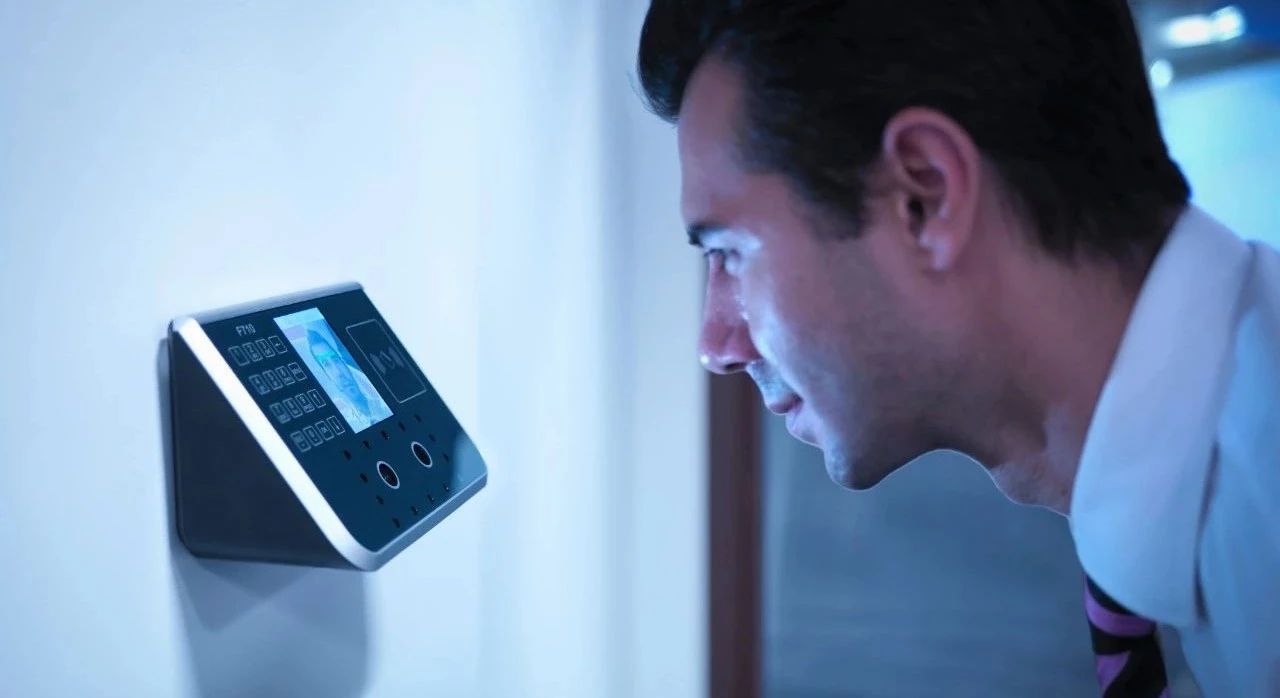
A New Zealand citizen was fired because he was unwilling to use the company's facial recognition clocking system. Faced with this situation, he initiated labor dispute arbitration with the relevant agency, and the final investigation was announced recently.
Don't want to use the facial recognition clock-in system? Then we'll fire you. In New Zealand, an electrician named Tim Fensom encountered such a thing.
After refusing to use the facial scanning clock-in system twice, Fensom was fired by the company for "serious misconduct." Dissatisfied with this result, he applied for labor dispute arbitration.
After being fired on October 29, 2018, more than a year later, Fensom finally received the labor arbitration result on December 20, 2019.Received more than NZ$23,000 (approximately RMB 100,000) in compensation from his former employer.
Company's mandatory facial recognition clock-in causes controversy
Here's what happened. In Christchurch, New Zealand, Fensom has been working as a team leader electrician for KME Services NZ since 2018, relying on his skilled skills.

To this end, the company informed employees of the matter in the form of a memorandum, made some explanations about the upcoming plan, and solicited opinions on the move.
Fensom disagrees with the new approach;**He believes facial recognition technology is too "invasive"**And on October 11, a feedback email was sent to the company's general manager.
In the email, Fensom wrote that he did not approve of the way biometric scans were collected and used, and was concerned about potential privacy risks.It is suggested to use "less invasive alternatives" such as swiping cards.

At the same time, the manager stated that this would be the "first and last warning."
He refused to use the new system and was "asked" to leave the company
KME eventually ignored the demands of Fensom and others, fully enabled the facial recognition check-in system, and abolished the signature punch-in method. Fensom happened to be on vacation at this time.

That afternoon, after learning of Fensom's actions, the manager sent him an email:**Pointing out that Fensom did not comply with KME's health and safety policies,**And warned him of his mistake.
The next day, after Fensom again refused to use the facial recognition system, he received a letter of dismissal.It said Fensom was fired for "serious misconduct".
Fensom was then "escorted" out of the company by security.
Faced with his own experience, Fensom believes that the consultation on the introduction of the new system was inadequate and that he was fired unjustifiably.Apply for labor relations arbitration to the Employment Relations Authority (ERA) of New Zealand.
After being fired, he took legal action and was awarded 100,000 yuan in compensation
ERA made its final ruling after a lengthy series of forensic investigations.

also,**KME chose to be vague and evasive regarding issues such as the storage and security of private information.**Workers were told only in general terms that their biometric data would be encrypted and deleted when their employment ended.
ERA pointed out that KME's responses to privacy questions were inadequate and in some ways misleading, and that KME was able to change the provisions of its privacy policy at any time and also adopted mandatory enforcement.

How to protect privacy, a common controversy in the AI era
This is the first case in which an individual has won a lawsuit involving facial recognition.
In September 2019, the Cardiff High Court issued the world's first ruling on facial recognition: Welsh police were sued by a civil liberties campaigner for using facial recognition software without the public's consent. The court ultimately ruled that the police's use of facial recognition technology in the case was legal.
In November last year, an associate professor at Zhejiang Sci-Tech University in Hangzhou took Hangzhou Wildlife World to court because he was dissatisfied with the zoo's mandatory use of facial recognition for entry, which caused a sensation.The first case of facial recognition in China.
 In this case, the plaintiff's basis for the lawsuit was that the zoo did not comply with Article 29 of the Consumer Protection Law.Follow the principles of legality, legitimacy and necessity, clearly state the purpose, method and scope of collecting and using information, and obtain the user's consent.
Some lawyers also said that obtaining citizens' biometric information through facial recognition technology falls within the scope of personal information in the Cybersecurity Law.Citizens’ consent must be obtained first and no coercive measures can be used. The case is still under trial.
-- over--