Command Palette
Search for a command to run...
Friends of Fishermen: Google X's New Project Uses Computer Vision to Raise Fish
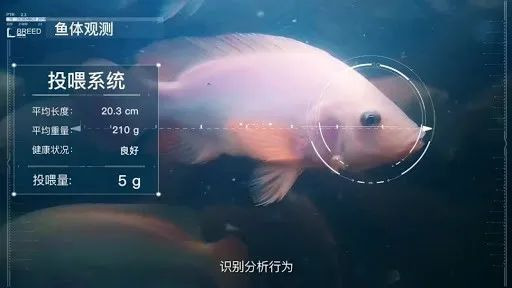
Google's parent company Alphabet's X division recently announced its Moonshot project Tidal, which uses artificial intelligence technologies such as computer vision to monitor the seabed environment, observe and track fish in the water, and help fishermen conduct aquaculture operations in a more environmentally friendly and sustainable way.
Recently, Google's X Lab, an innovative technology incubator, announced its latest Moonshot project, Tidal, which aims to protect the healthy ecological environment of the ocean and benefit mankind in a sustainable way.
Projects for a healthy ocean
"One of the challenges we will inevitably face in protecting our oceans in the future is that we don't know enough about what's going on underwater," project leader Neil Davé wrote in a blog post.
The ocean covers more than 70% of the Earth’s surface, yet remains largely unexplored. This is partly because developing technology to do so is extremely challenging, as long-term monitoring is difficult due to the enormous pressures, the difficulty of communicating (GPS and WiFi don’t work underwater), and the corrosion of electronic equipment by saltwater.
This is why the Tidal team chose this project, hoping to better understand the ocean and thus sustain its life to help humanity develop sustainably.
Neil Davé explains: “Fish have a low carbon footprint relative to other animal protein sources and they play a vital role in the diets of 3 billion people today. Therefore, helping fish farmers is vital for both human and ocean health.”

Computer vision, the eyes of fishermen
The Tidal team realized that technologies such as computer vision might be able to effectively speed up this process.
First, they needed to teach the system to see underwater, which the team did by training the algorithm with a new dataset of fish photographed in Silicon Valley tanks.
They then developed an underwater camera system that, by combining computer vision and other AI techniques, can track and monitor the growth of tens of thousands of fish.

By observing and recording fish feeding behavior as well as environmental data such as temperature and oxygen levels, fishermen can better understand fish populations, track their health and avoid overfeeding, making more informed farming decisions that can reduce costs and pollution.
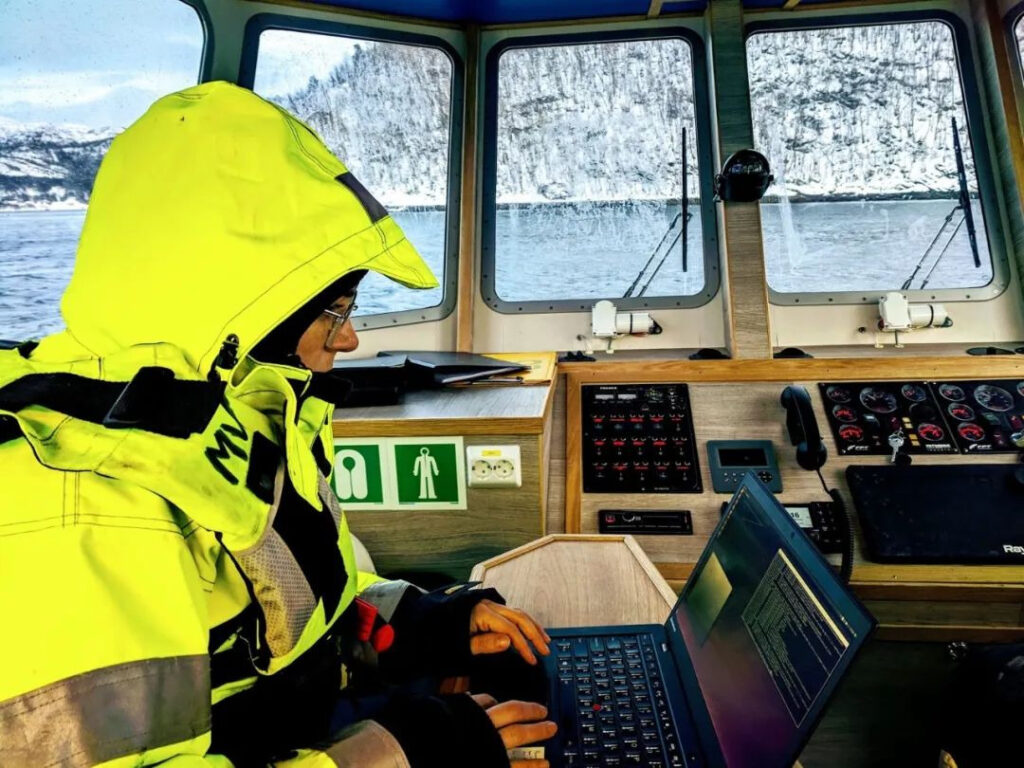
In addition, the system must develop electrical components that can withstand the ocean's saltwater environment, extreme cold and extreme pressure.
The imaginative Moonshot Factory
Alphabet's X lab was launched about a decade ago and is dedicated to solving global problems with new technologies, similar to Google's internal emerging technology incubator.

So far, Moonshot Factory has developed projects including drones and internet balloons, but is best known for Waymo, Alphabet's self-driving car division.
-- over--