Command Palette
Search for a command to run...
The United States Officially Prohibits Operators From Using Government Funds to Purchase Huawei and ZTE Equipment
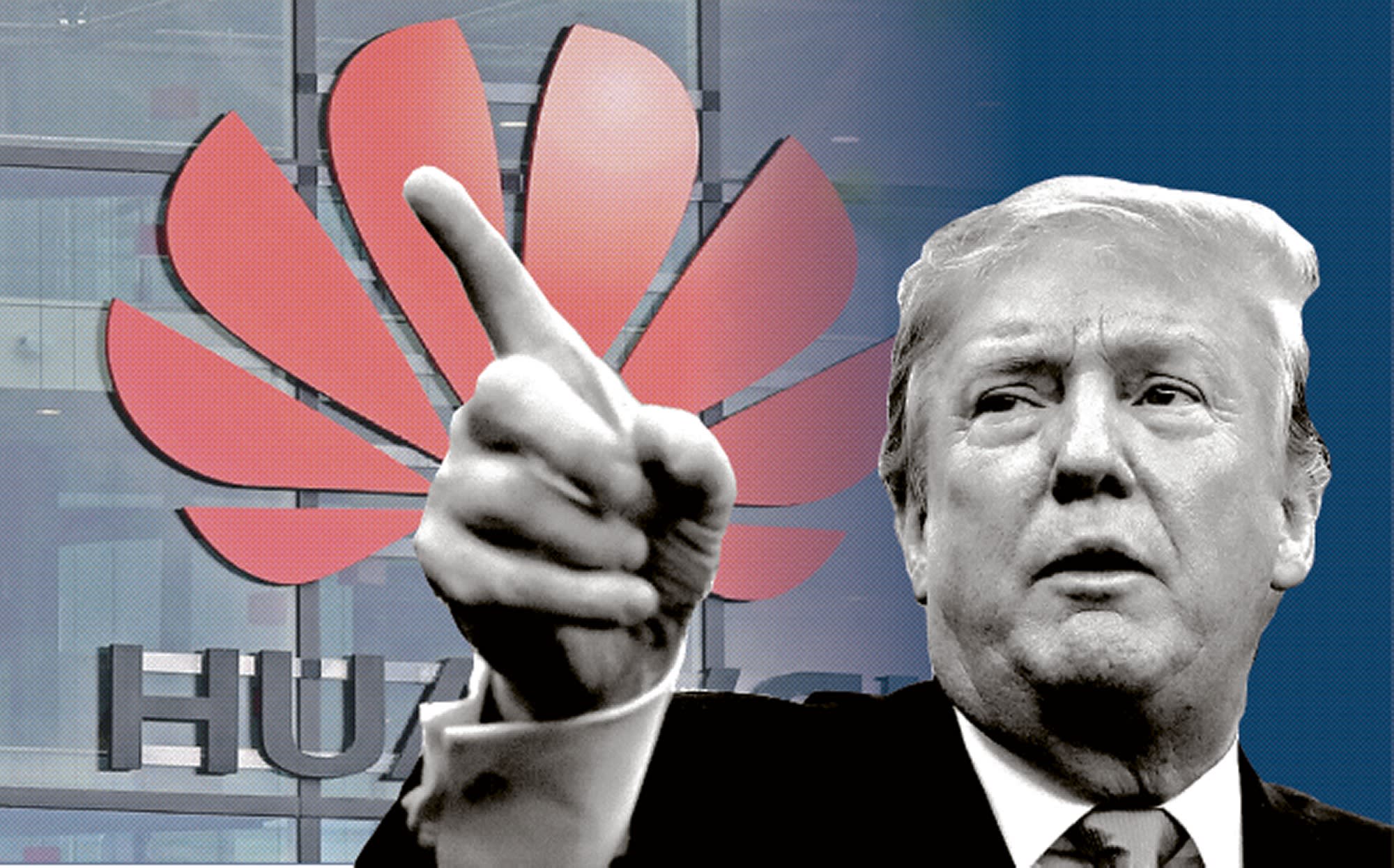
Last Thursday, Trump signed a bill that will ban U.S. telecom operators from using the government's Universal Service Fund (USF) to purchase services and equipment from Huawei and ZTE, and Huawei warned that this would seriously harm users in remote areas of the United States.
Trump signed a bill on March 12 that will ban the country's telecom operators from using government funds to purchase network equipment from companies such as Huawei and ZTE.
Officially bans federal funding for Huawei equipment purchases
"This legislation will protect our telecommunications infrastructure by prohibiting the use of federal funds to purchase equipment from companies that pose a national security threat," the White House fact sheet said Thursday.

This bill is **Secure and Trusted Communications Networks Act,**It took effect after Trump signed it, officially banning the purchase of communications products and equipment that pose a threat to US national security.

No one cares about rural communications in the United States except Huawei
The new bill will have a great impact on rural America. They cannot afford the high costs of manufacturers such as Nokia and are more willing to use Huawei, which is inexpensive and of good quality.
According to the Rural Wireless Association (RWA),In 2018, approximately 25% of its member networks used communications equipment from Huawei or ZTE.

It was previously revealed that Verizon falsely reported 4G coverage, delaying telecommunications construction in rural areas.
Not only that, it will take seven years and more than US$1 billion to completely replace 25% of Huawei equipment in rural areas of the United States.
Huawei has sued the FCC: Why do you say I pose a threat?
As early as November 2019, Huawei and ZTE were designated as national security threats by the FCC, which prohibited rural operators in the United States from using the state-owned Universal Service Fund (USF) to purchase Huawei equipment.
A Huawei spokesperson declined a request for comment at the time, and the company filed a lawsuit against the FCC in December.
Huawei's Chief Legal Officer Song Liuping said:The FCC's decision was based on political considerations, not risk.

Huawei's lawsuit states that "the FCC exceeded its legal authority because it does not have the authority to identify national security risks and cannot determine that Huawei poses a threat without evidence, and accepting a rule that has no legal basis violates its own procedures."
-- over--