Command Palette
Search for a command to run...
Google Finally Signs a multi-million Dollar Cloud Service Contract With the US Department of Defense

As the world's third largest cloud service provider, Google Cloud recently signed a seven-figure contract with the Defense Innovation Unit to use multi-cloud management solutions to protect the Department of Defense's network security. This is the first time Google has started cooperation with the Department of Defense after giving up a billion-dollar order a year ago.
On May 20, Google Cloud and the U.S. Defense Innovation Unit (DIU) reached a seven-figure cooperation agreement on cybersecurity.
This is also the first time that Google has regained a purchase order from the U.S. Department of Defense after the Maven project was halted due to boycotts.
Regaining the Ministry of Defense Order: Not Military Industry, But Network Industry
Google Cloud announced in its official blog that it will cooperate with DIU, a department under the Department of Defense, and will use technologies such as Anthos to help the other party detect, defend and respond to cybersecurity threats.

It is reported that this solution will provide real-time network monitoring, access control and complete audit tracking, enabling DIU to ensure the security of network missions without sacrificing performance and speed.
The solution will start with three parts: using Anthos for multi-cloud deployment, Istio for secure service communication, and security company Netskope will be responsible for cloud security.
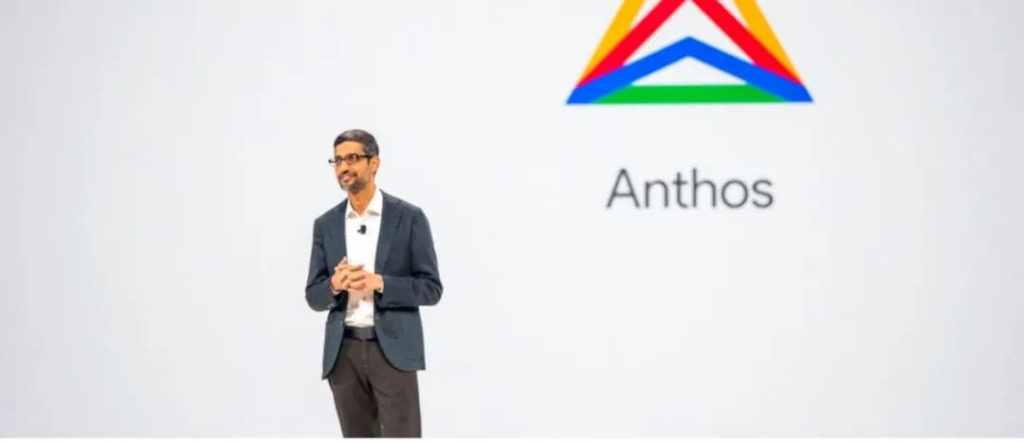 According to Axios media reports, the specific amount of this cooperation agreement is unknown, but the number is in the seven figures, exceeding one million US dollars.
Thousands of employees protested and gave up a big order
In March 2018, the technology blog Gizmodo revealed that Google and the Department of Defense had secretly collaborated to use technology for military purposes.
This project, called Maven, uses AI technology to analyze drone footage to help the military quickly detect various target objects, which may be used in combat in the future.
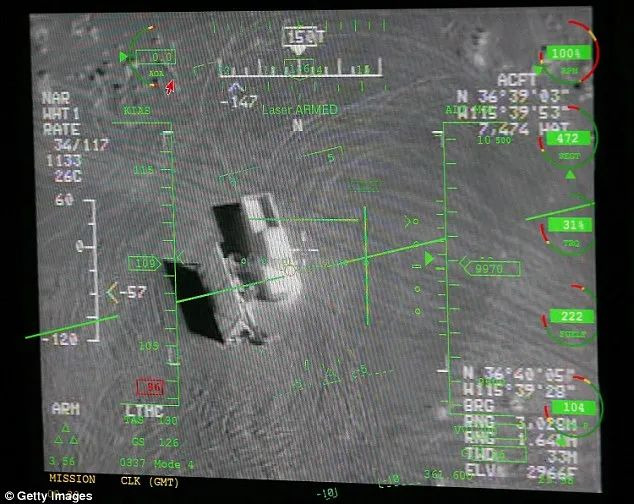
In April 2018, more than 3,000 Google employees jointly wrote to Pichai, asking Google to withdraw from the project.
In May, more than a dozen employees resigned in protest, believing that Google had betrayed its original intention.
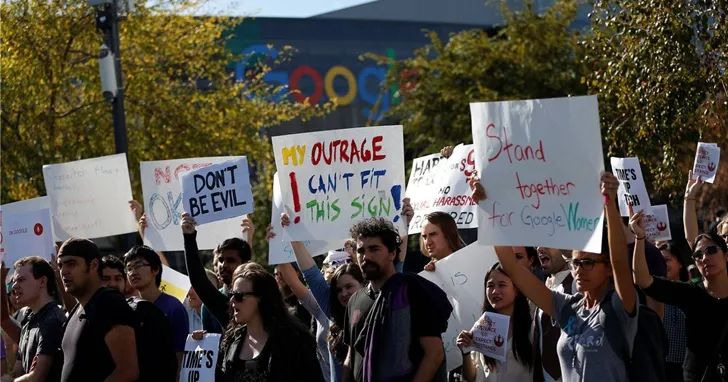
This also affected Google's subsequent actions. When the Department of Defense issued a $10 billion JEDI contract tender in 2018, Google directly withdrew from the competition.
After a fierce battle with AWS, Azure won the contract.
Cooperation is really good: the largest funder is the US Department of Defense
How full are the pockets of the US Department of Defense?
In recent years, the U.S. Department of Defense has been rapidly advancing its AI strategy, often making some large investments, making it the financial sponsor of cloud service giants.
For example, in 2018, the U.S. Department of Defense's Advanced Research Projects Agency (DARPA) launched a five-year, $2 billion "Next Generation AI Initiative" to develop new AI applications.
In the 2020 U.S. fiscal year budget, the Department of Defense was approved for up to 718billion,ofwhich9.6 billion was dedicated to cybersecurity.
The sheep are so fat now, we can't just not shear their wool.
Besides, for Google employees, switching from military applications to network security is not considered evil, right?
 -- over--