Command Palette
Search for a command to run...
20 Years Ago, Amazon Launched a Big Data Killing Algorithm
20 years ago, Amazon launched a big data killing algorithm
In recent years, big data "killing old customers" has become an open secret among Internet merchants, and this behavior has been criticized by many users. However, according to the latest regulations issued by the Culture and Tourism Bureau, big data "killing old customers" behavior will be banned from October 1.
Have you ever been "taken advantage of" by big data?
In March last year, a survey conducted by the Beijing Consumers Association on the use of big data to “kill the familiar” showed that most respondents believed that the phenomenon of big data “killing the familiar” was very common.

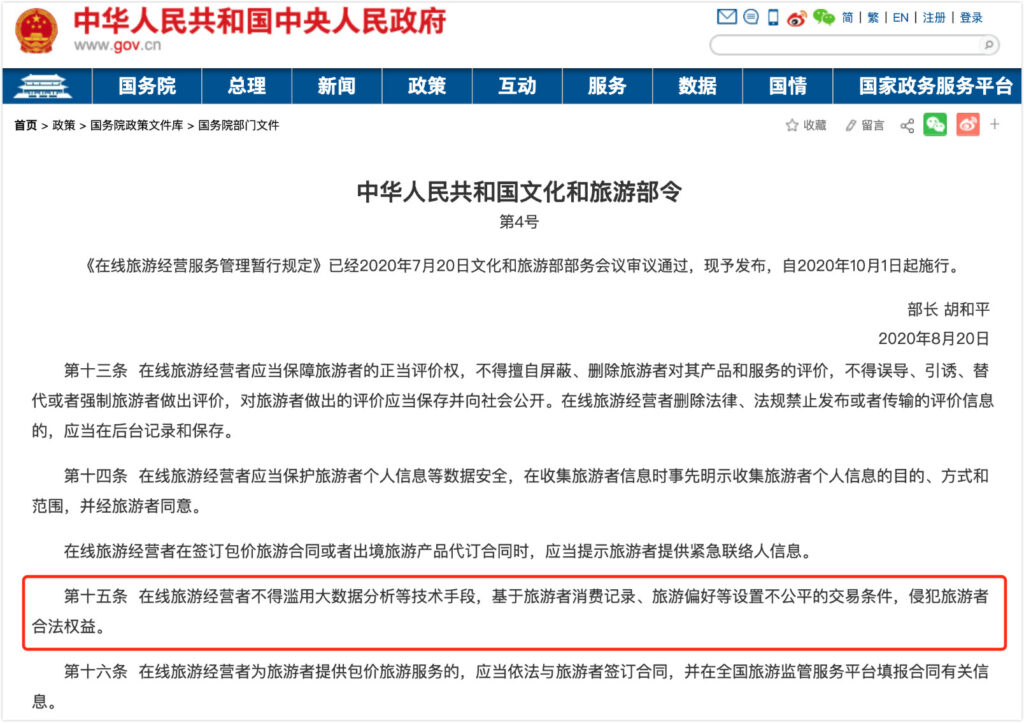
In response to this, the Ministry of Culture and Tourism, after nearly a year of soliciting opinions and deliberation, issued the "Interim Provisions on the Management of Online Tourism Business Services" on August 20 this year, Article 15 of which clearly stipulates thatOnline travel operators shall not use big data and other technical means to set differentiated prices for the same product or service under the same conditions for tourists with different consumption characteristics.
How deep is the big data "killing old customers" routine?
Since the end of 2017, consumers have been reporting that they have been “taken advantage of” by Internet platforms.

Many netizens reported that when searching for air tickets or hotels,Its price will increase as the number of searches increases."I feel cheated and it's hard to accept."
In addition, Tmall, JD.com, Didi, Meituan Waimai, Ele.me and music platforms were all exposed to the problem of "killing old customers" with big data.
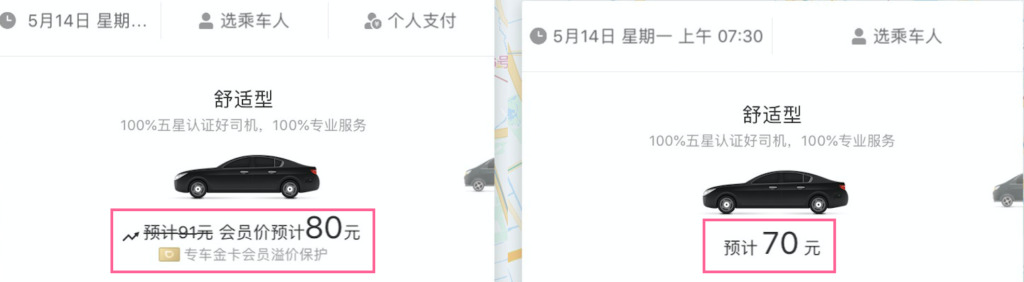

It's full of routines.**These routines ultimately point to one goal: maximizing merchants’ profits.**But for consumers, these are traps that they can easily fall into if they are not careful.
The originator of "big data killing old customers": Amazon
The originator of these tactics must be the e-commerce giant Amazon.
The first case of big data “killing the familiar” can be traced back to Amazon’s “price differential experiment” 20 years ago.
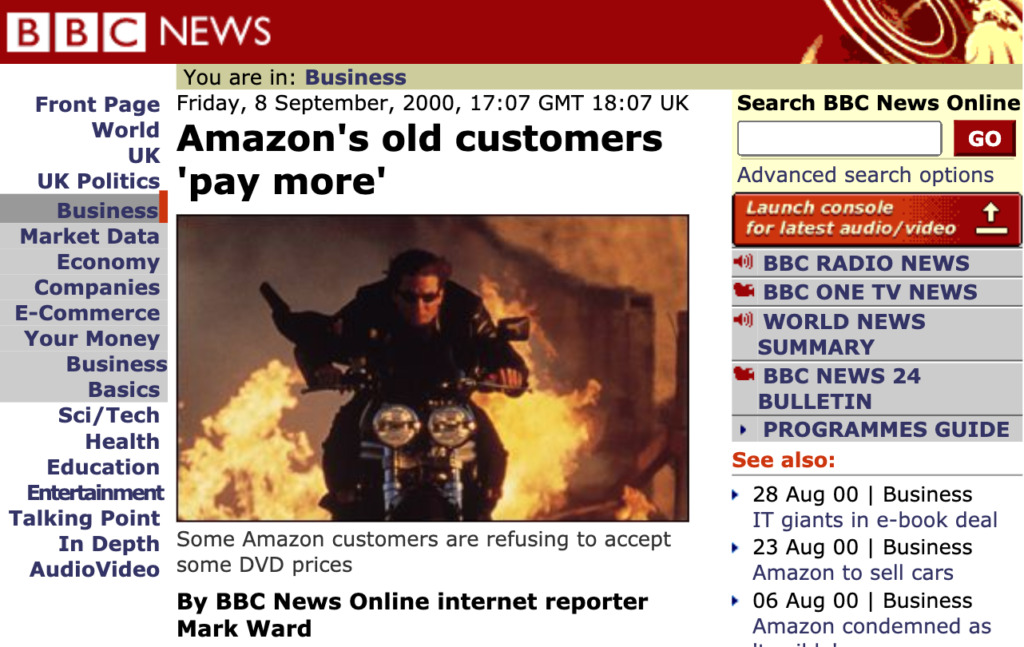
In September 2000, Amazon selected 68 best-selling DVDs for a trial.These DVDs are priced differently based on potential users' demographics, shopping history, online behavior, etc.
Among them, Amazon will be called "Titus" (Titus) DVD disc,**New users are quoted 227˙4,whileexistingusersarequoted26.24.**Through this pricing strategy, the sales gross profit margin of these experimental DVDs was effectively improved.
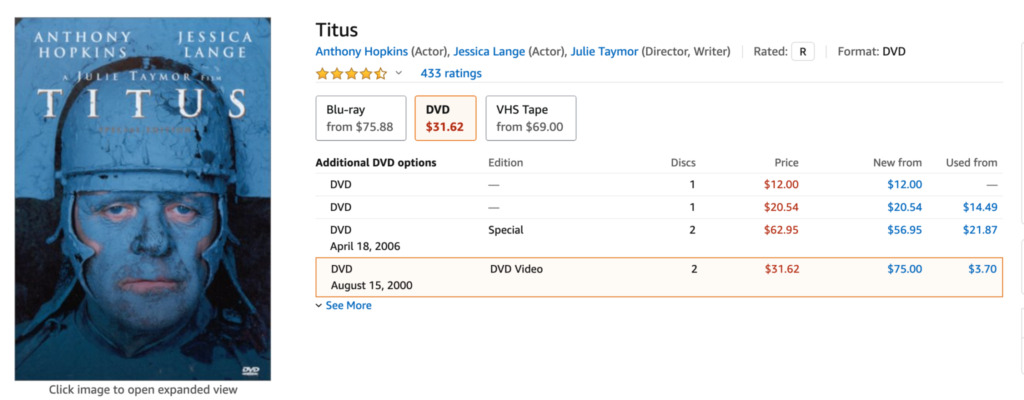
Less than a month into the experiment, an old Amazon user discussed Titus with other netizens in the DVDTalk community.
It wouldn’t matter if he didn’t discuss it, but once he started discussing it, it became a disaster, as he discovered that he had been cheated.As a loyal Amazon user, he paid nearly $4 more for the Titus CD than other new users.
Then, more old users also discovered this. How could they just sit there and do nothing?
As a result, everyone began to denounce Amazon, and some people even publicly stated that they would never buy anything from Amazon in the future.
Amazon's experiment with differential pricing ended in failure. But in fact, this clever pricing strategy has been imitated by other e-commerce companies.
Price discrimination: a powerful tool to increase profits
Big data "killing the familiar" is called price discrimination in economics.
Price discrimination,Usually refers to the provider of goods or services, when providing goods or services of the same grade and quality to different recipients, different sales prices or charging standards are implemented among the recipients.
Therefore, price discrimination is essentially a price difference. The word "discrimination" here is not derogatory. In economics, the term "discrimination" is often used to refer to the phenomenon of different prices for similar things.


Dynamic pricing: a pricing strategy that doesn’t “kill familiar customers”
For merchants, there are certainly more ways to increase profits than price discrimination. A strategy called "dynamic pricing" can also bring quite good results, and it is more friendly to consumers than "price discrimination".
Dynamic pricing,It refers to a strategy whereby companies sell the same product at different prices based on market demand and their own supply capabilities in order to maximize profits without compromising the consumer experience.
After the "price differential experiment" incident in 2000, Amazon was certainly unwilling to give up the use of big data.It soon introduced a new approach, dynamic pricing.

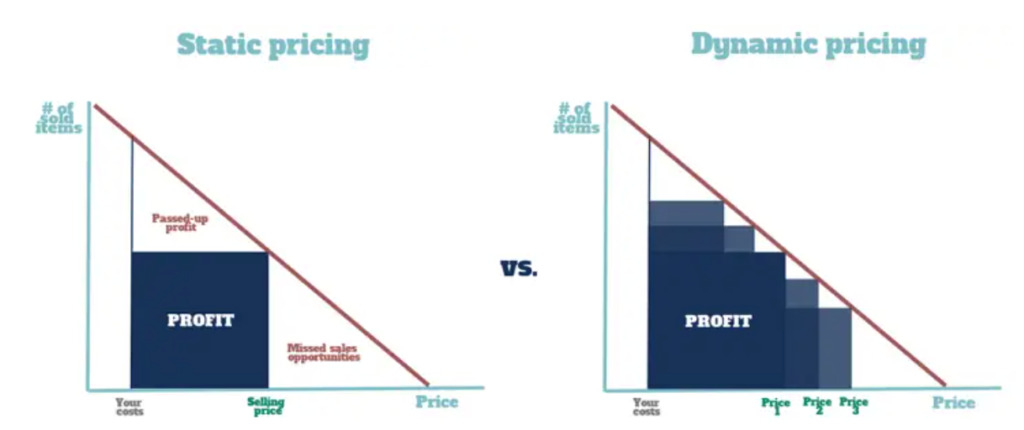
**Amazon also boosted its profits by 25% due to dynamic pricing.**However, compared with the pricing strategy of "killing the familiar", since dynamic pricing is not targeted at user groups such as old users, it not only eliminates the customer experience of being "killed the familiar" to a certain extent, but will often make customers feel that the price-performance ratio is high.
At present, the big data "killing familiar customers" of online travel platforms will be banned, which has also sounded the alarm for other e-commerce companies. Merchants should use big data to better provide users with personalized services and more reasonable pricing, so that users can buy with confidence, instead of just blindly pursuing profits and eventually losing the trust of users.
 -- over--