Command Palette
Search for a command to run...
Will 100 Million Paper Ballots and Buggy Scanners Influence the US Election?
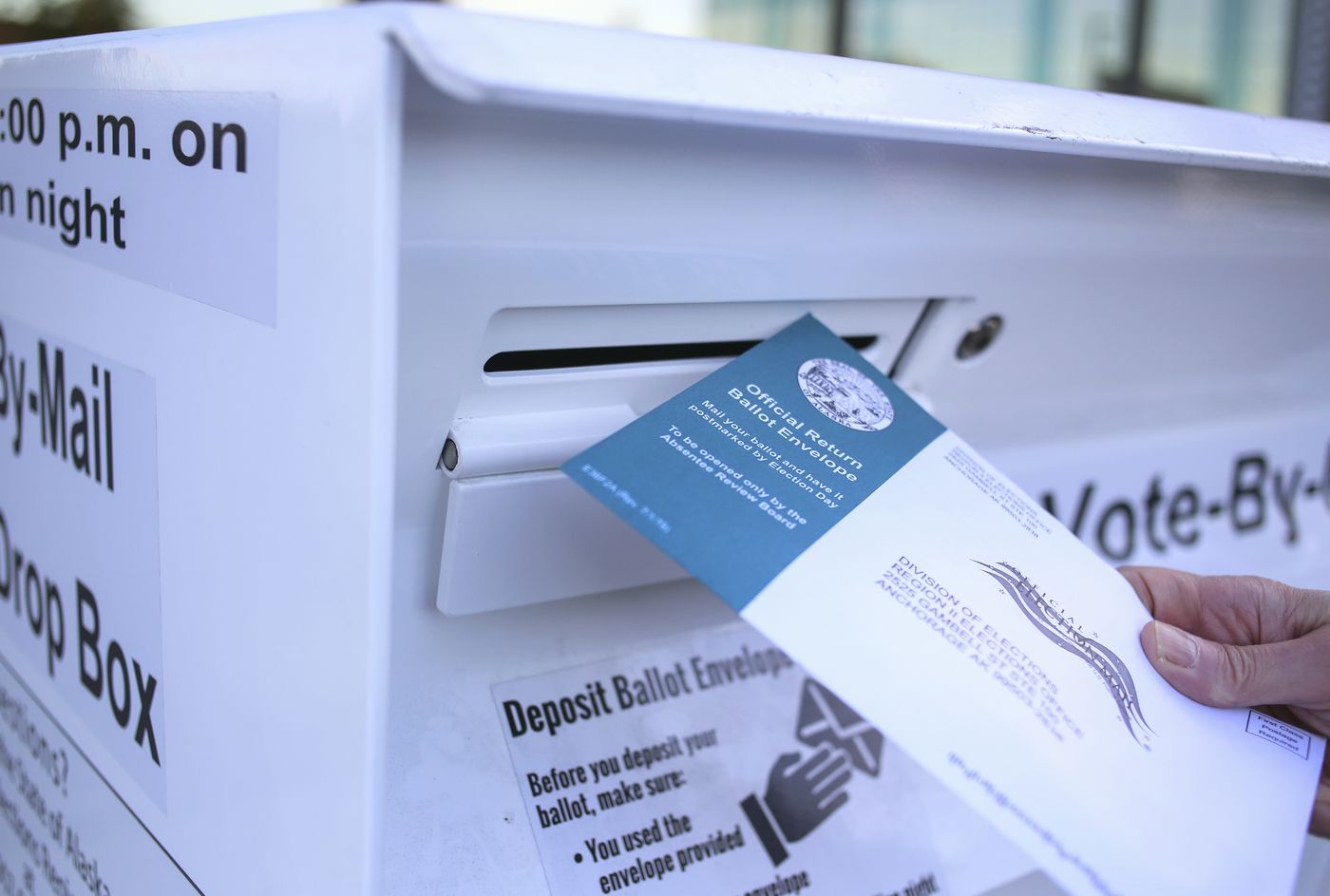
The US election has officially kicked off. This year, voters are enthusiastic and the voter turnout is at a record high. It is expected that 150-160 million votes will be cast. Therefore, it may take some time to count the votes, and the final result may not be announced on the day of the election. During this period, will there be some unexpected situations?
Voting on Election Day for the 2020 US presidential election has officially begun. Polling stations in each state closed one after another at 6 p.m. Eastern Time on November 3, which corresponds to 7 a.m. on November 4, Beijing Time.
On one hand, two candidates in their 70s are running around to canvass for votes; on the other hand, enthusiastic voters are gearing up to participate in this election final.
Currently, the election has entered the official ballot counting stage, and votes in many "swing states" are still being counted...
Voter turnout hits new high, how to count 100 million paper ballots
Before Election Day, many places have already started early voting. According to the latest data, states have received nearly 93.3 million early ballots, more than ⅔ of the total votes in the previous election year, and there are nearly 32 million mail-in ballots that have not yet arrived at the polling stations.
Most election experts believe that there will be 150-160 million votes in this year's US election.
According to US media reports,More than half of voters choose to fill out paper ballots by hand, which are then scanned and counted by optical scanners, while the rest will vote by machine.
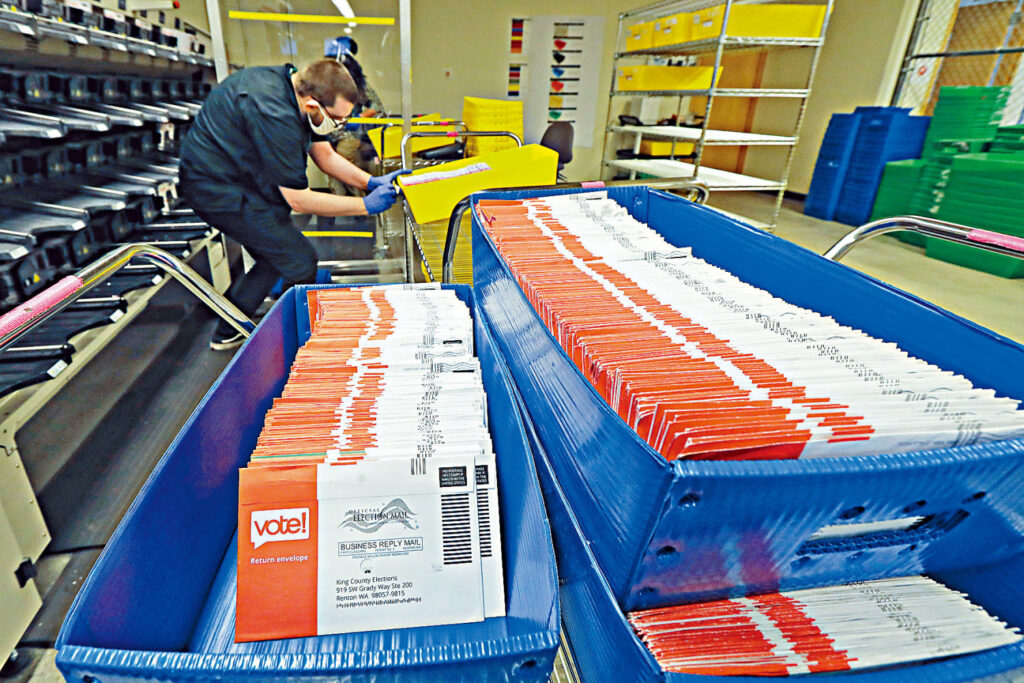
In order to speed up the counting process, many states and counties have begun using optical scanners to count ballots in recent years.
It’s 2020. Is it reliable to use answer sheets to elect the president?
As mentioned above, there are currently two main ways to vote in the U.S. presidential election: paper ballots and electronic voting.
Electronic voting machines have been subject to various questions. In one case, an unknown technology company, Shadow, developed an app for counting votes for the Democratic Party in Iowa. Unexpectedly, a technical failure occurred on election night, resulting in a delay of a week before the votes were counted.
In addition to temporary failures, reasons such as hacker intrusion and data security have also become the reasons why electronic voting or mobile phone voting has not been promoted on a large scale.
Therefore, paper ballots are still considered the safest way to vote, so most voters still vote by paper ballot.
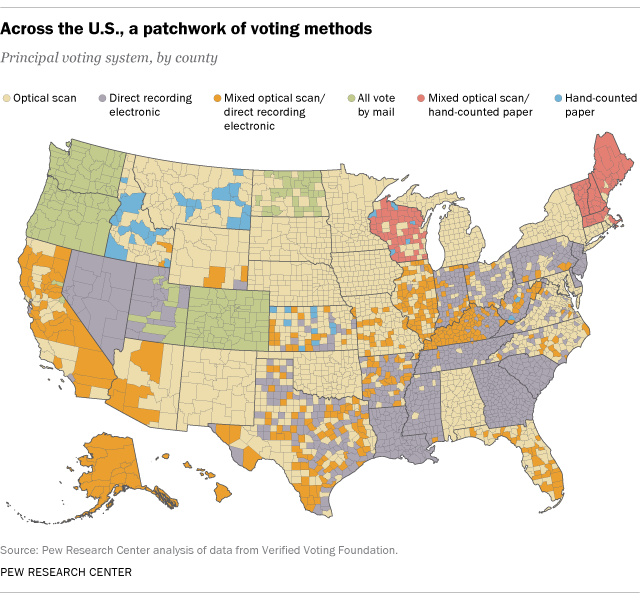
According to an analysis by the Pew Research Center,Nearly half of registered U.S. voters live in jurisdictions that use optical scanners as their voting system.
**Because optical scanners are limited by the robustness of the algorithms they use, and because poorly designed and uncalibrated machines can inadvertently miscount or invalidate ballots, they can lead to erroneous tallies.**And these situations are not easy to detect.
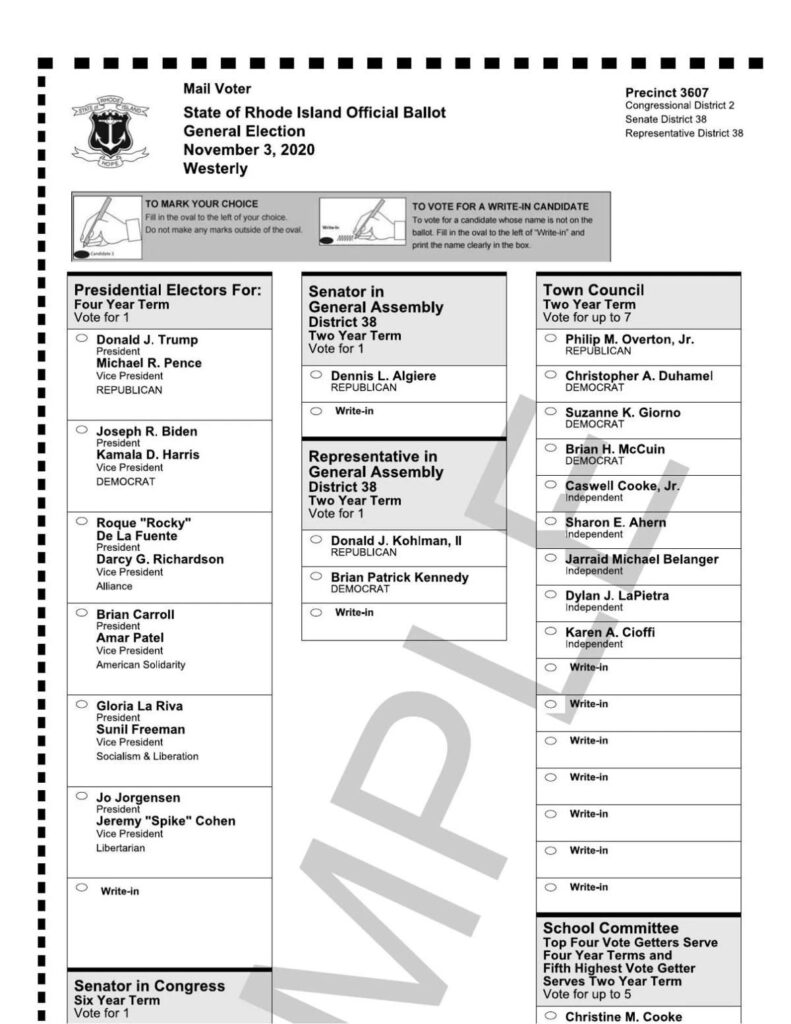
However,**Poll workers around the country****We still found hundreds of vulnerabilities in optical scanning systems.**These vulnerabilities are usually caused by:
Put the ballot upside down into the scanner; pass multiple ballots through the scanner at the same time; sensor damage, paper jam or overheating, printing and programming inconsistency, programming errors, etc. Even the most widely used optical scanners have been questioned.
The "car accident" scenes of previous elections: It's all caused by optical scanners
In past elections, votes have been miscounted due to errors in optical scanners.
**2000****Presidential Election:****Optical scanners in Orange County, California, failed to count more than 400 ballots for "unknown reasons"; tens of thousands of ballots in Florida were not counted due to scanning failures.**Approximately 31,775 voters’ ballots were ignored and not read;
**2004 Presidential Election:Napa County, California, conducted a manual audit of 1% in the ballot due to legal requirements and foundScanners made by Sequoia made errors on some ballots marked with gel ink.**The manufacturer said that these instruments can only read carbon ink and cannot read other ink handwriting;
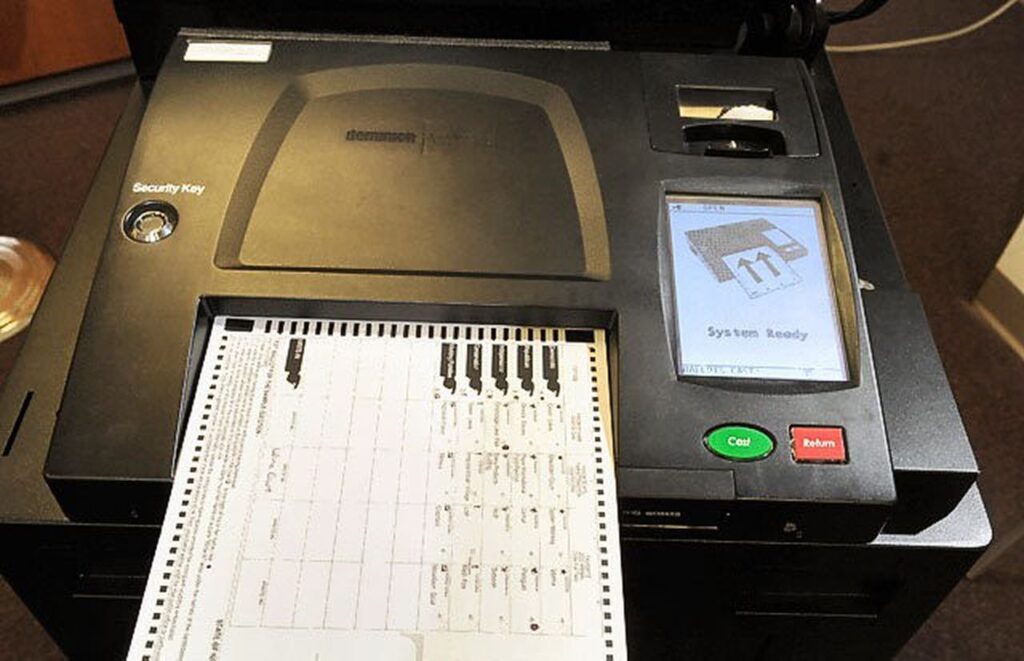
Of course, some situations cannot be blamed entirely on the scanners; voters themselves may also cause some miscounts.
Some voters do not read the instructions carefully and do not operate in a standardized manner when voting. For example, they fill in the marked area as stars, circles or crosses instead of black. Some people even try to modify their answers with tape or other methods after filling in the wrong answers. These all result in the "answers" not being correctly identified and read.
But no matter what, these errors have called into question the credibility of optical scanners. The manufacturers are naturally to blame, but things are not that simple.
Manufacturer: There is no problem with the machine, no investigation accepted
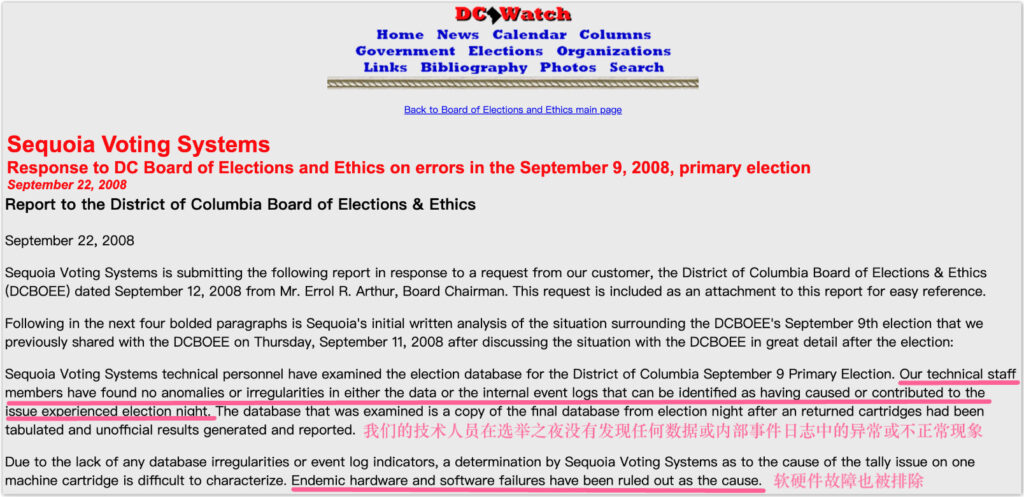
After the 2008 election, Sequoia, the manufacturer of the optical scanners involved, responded to information about the miscounted votes by saying, “No anomalies or irregularities were found in the data or internal event logs that could be determined to have caused or contributed to the issue.”
Sequoia later released a report blaming the problem on human error, ruling out hardware and software failures, and claiming the company had no way to track down problems with the scanning machines.
The D.C. Council ultimately decided to require Sequoia to hand over the source code of its voting system for a more thorough investigation, something Sequoia objected to.
Other optical scanner manufacturers have also made mistakes. Although Diebold accepted the investigation, it refused to release the results, saying it was proprietary information.
From this point of view, the path to tracing the source of the problem of optical scanners is full of obstacles. In this year's election, I wonder if these devices will have any bugs when faced with 100 million paper ballots?
-- over--