Command Palette
Search for a command to run...
Fighting Chemotherapy Resistance and Tumor Recurrence! Shandong University Research Team Uses AI to Build a Powerful Defense Line for Breast Cancer Stem Cells
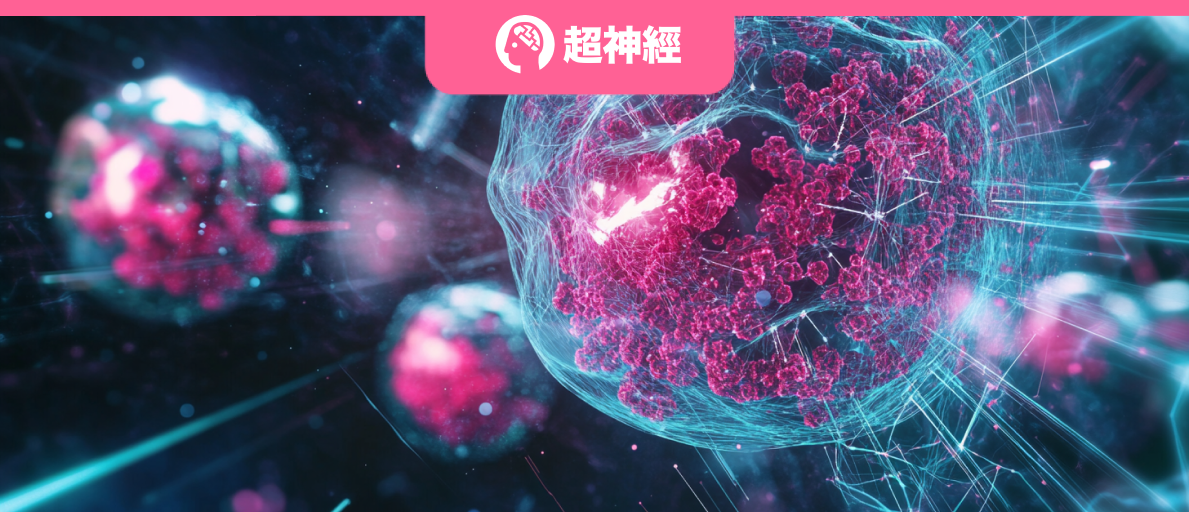
Breast cancer is the number one killer among female malignant tumors and has always been the focus of the medical community. Currently, cytotoxic chemotherapy is the most common systemic treatment for breast cancer patients. Although it can alleviate the condition to a certain extent, cancer cells may still recur or metastasize.
Previous studies have shown thatBreast cancer stem cells (BCSCs) are the source of breast cancer resistance to chemotherapy and radiotherapy. Although BCSCs only account for a small proportion of breast cancer cells, they have an amazing unlimited proliferation potential and the ability to initiate tumors. Even more shocking is that the chemotherapy process itself may also prompt non-BCSC cells to transform into BCSCs, thereby increasing the risk of tumor recurrence and metastasis.
It can be seen that a deep understanding of the response mechanism of BCSC to chemotherapy is very important for improving the prognosis of breast cancer patients. Clinically, a method that can identify and inhibit BCSC is urgently needed to optimize existing treatment options.
Faced with this challenge,**Lv Haiquan, Sun Rong, Zhang Kai from Shandong University and Mei Qi from Shanxi Medical University, together with research teams from Helix Matrix and others, have made a breakthrough. Using machine learning technology and based on mRNA analysis, they have successfully developed a new method, BCSC signature, to assess the characteristics of cancer stem cells in samples from primary breast cancer patients.**This study not only reveals the core role of polyamine anabolism in BCSC regulation, but also provides new strategies and directions for the clinical treatment of breast cancer.
The study was published in the internationally renowned journal Advanced Science under the title "Polyamine Anabolism Promotes Chemotherapy-Induced Breast Cancer Stem Cell Enrichment".
Research highlights:
* Researchers developed an mRNA-based BCSC signature using machine learning methods to assess cancer stemness in breast cancer patient samples
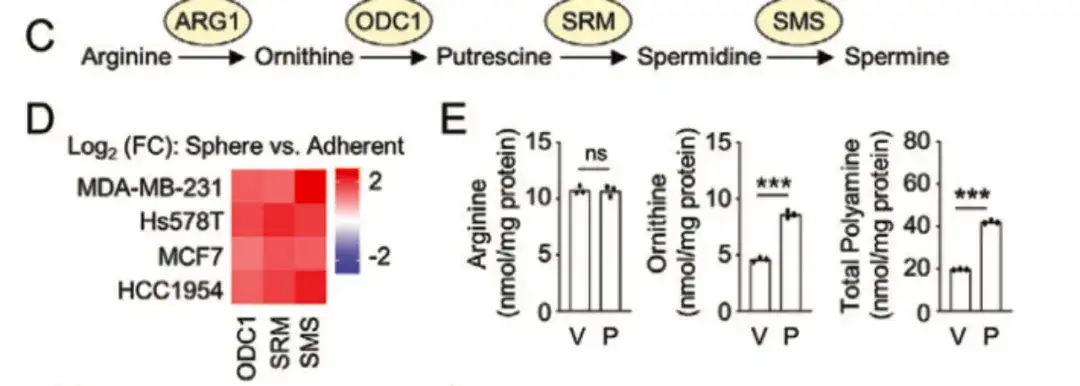
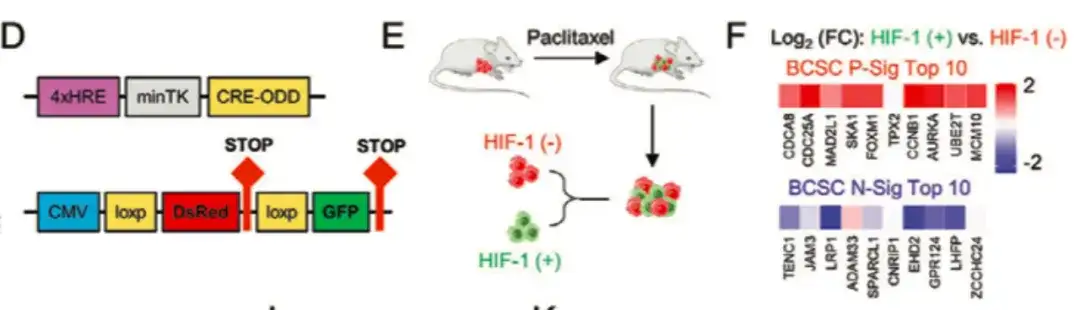
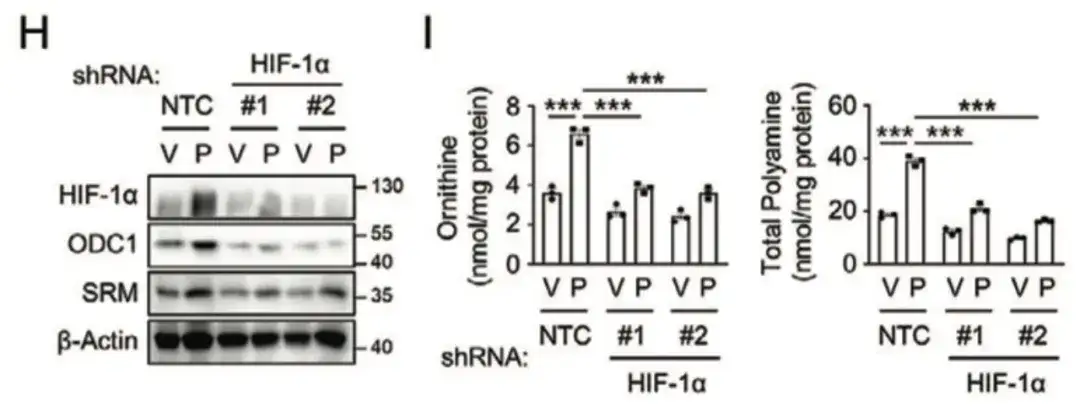
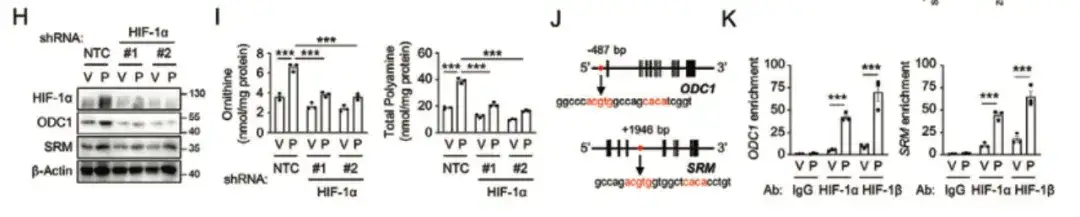
* This study found that polyamine anabolism plays a key role in BCSC regulation. Chemotherapy promotes the enrichment of BCSC by activating the polyamine anabolism pathway regulated by HIF-1.
* This study discovered a new specific HIF-1 inhibitor, Britannin, which can effectively inhibit chemotherapy-induced HIF-1 transcriptional activity, polyamine metabolism levels, and BCSC enrichment when used in combination
 Paper address:
https://onlinelibrary.wiley.com/doi/10.1002/advs.202404853
Paper address:
https://onlinelibrary.wiley.com/doi/10.1002/advs.202404853
Using TCGA datasets to build associations between Pearson correlation analysis and machine learning algorithms
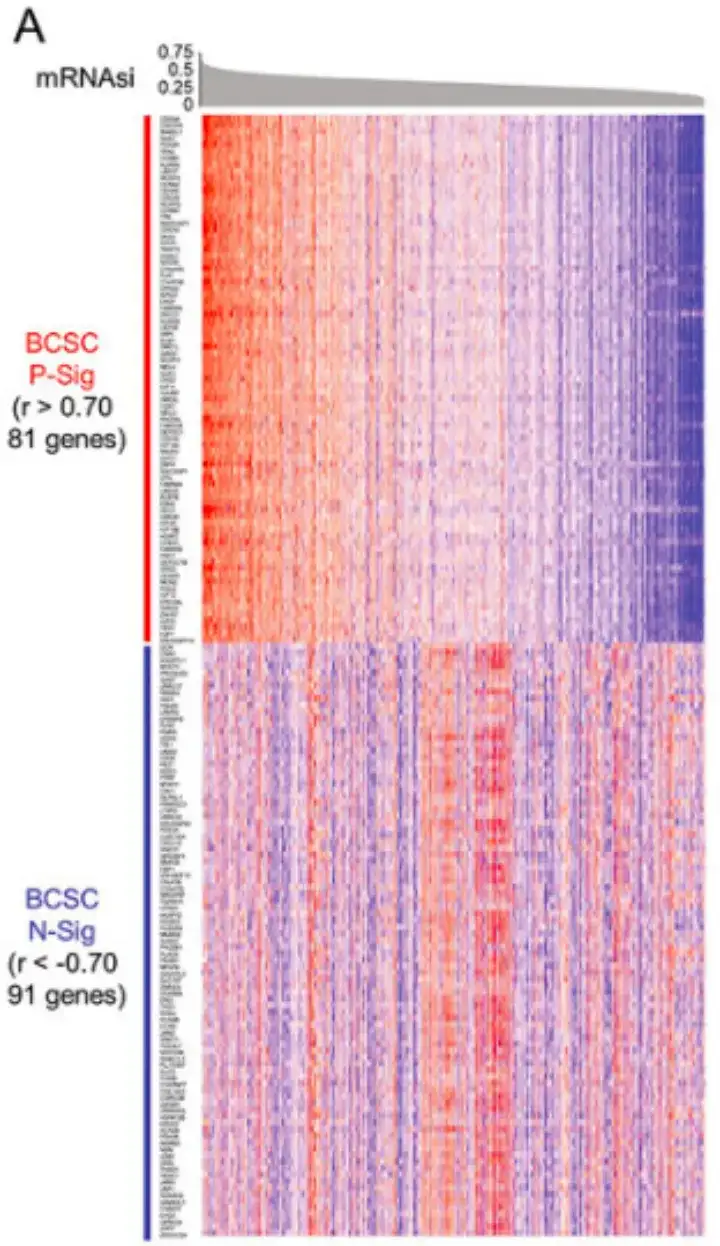
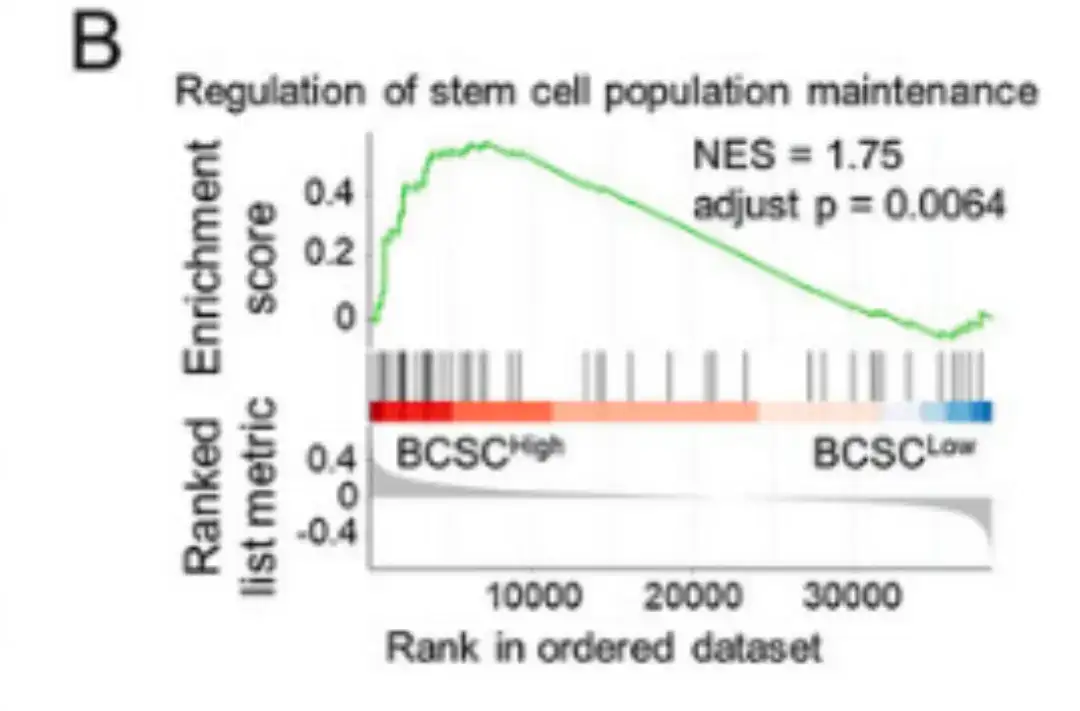
To quantitatively evaluate the stem cell properties of primary breast cancer patient samples by gene expression levels.**The study used data from The Cancer Genome Atlas Consortium (TCGA) on invasive breast cancer.**The BRCA1 (BRCA2) dataset was used to correlate mRNA expression with the mRNA stem cell index (mRNAsi) based on the univariate logistic regression (OCLR) machine learning algorithm using Pearson correlation coefficient analysis, thereby developing an mRNA-based BCSC signature.
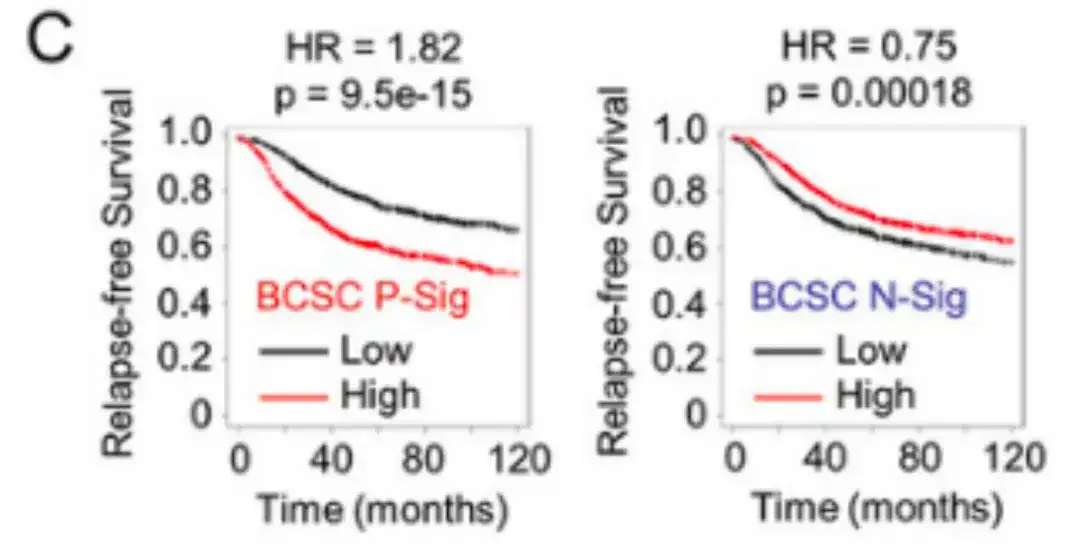
The study also generated Kaplan-Meier curves based on a data set of 2,032 breast cancer patients, partly stratified by the expression of BCSC P-Sig and N-Sig in primary tumors, and partly based on a data set of 1,372 breast cancer patients who received chemotherapy.
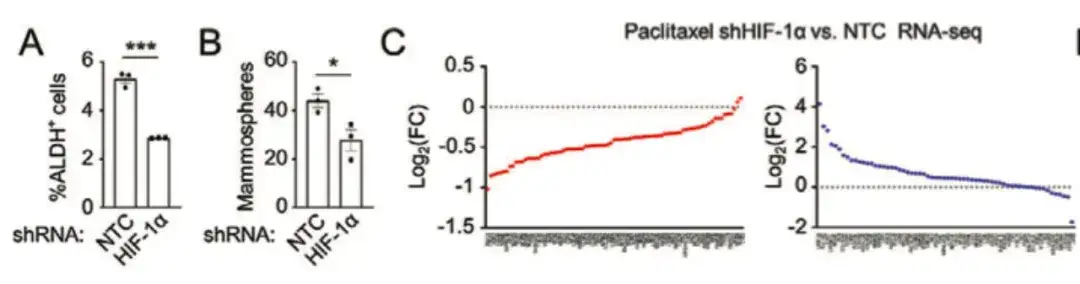
Specifically, as shown in Figure A below, this study first identified 81 genes with Pearson correlation coefficients r>0.70 and 91 genes with Pearson correlation coefficients r<-0.70, and defined them as BCSC positive signature (P-Sig) and negative signature (N-Sig), respectively.
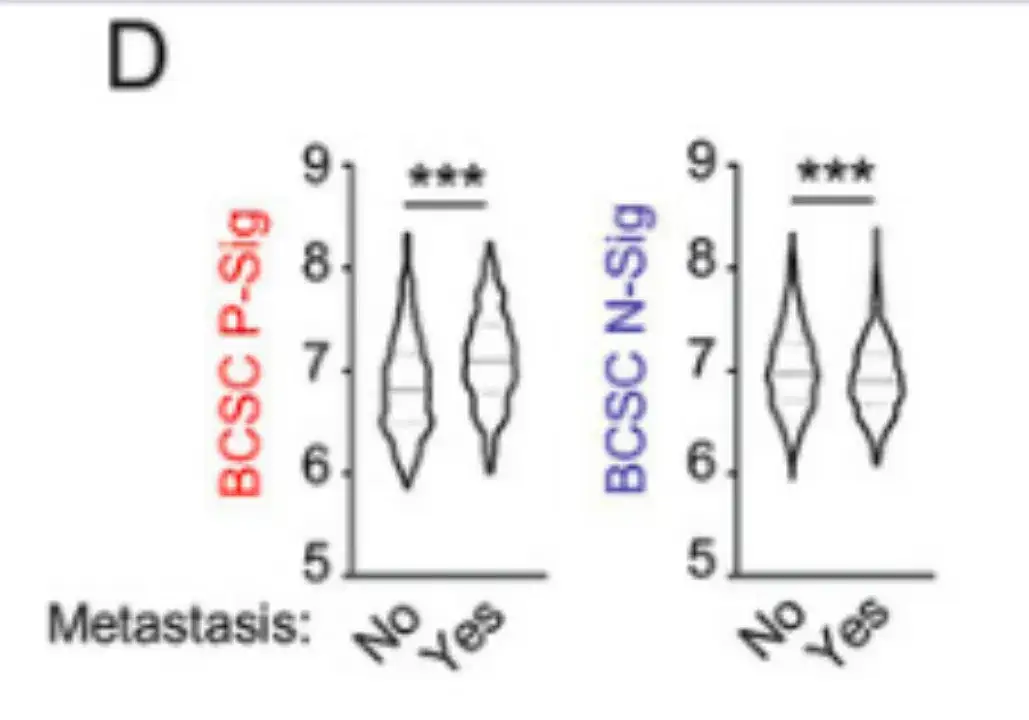
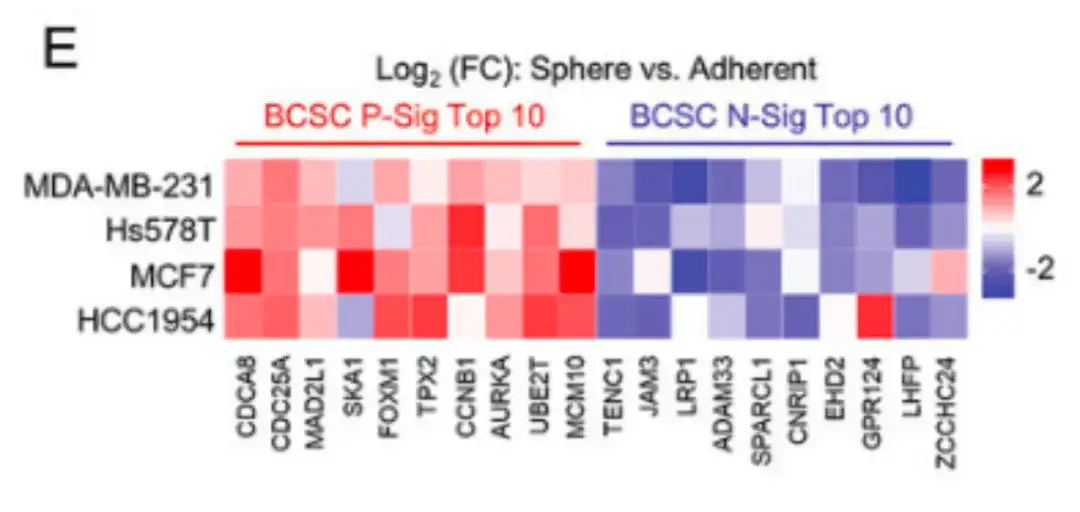
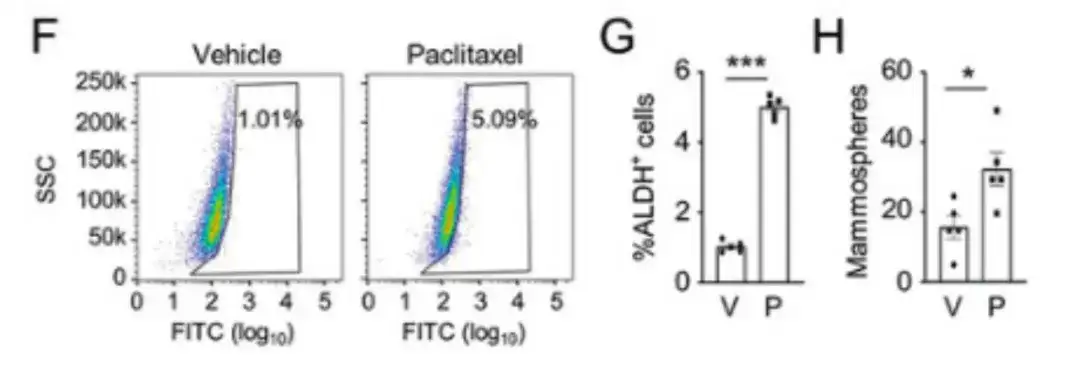
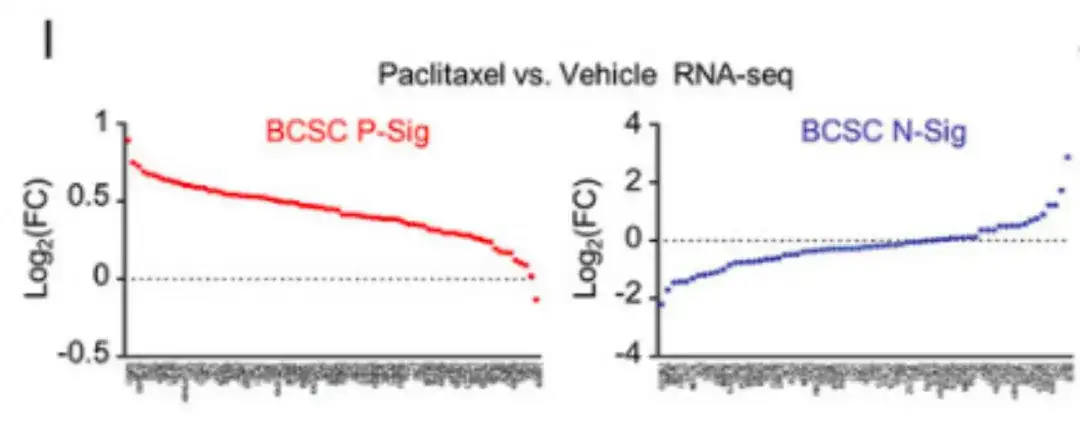
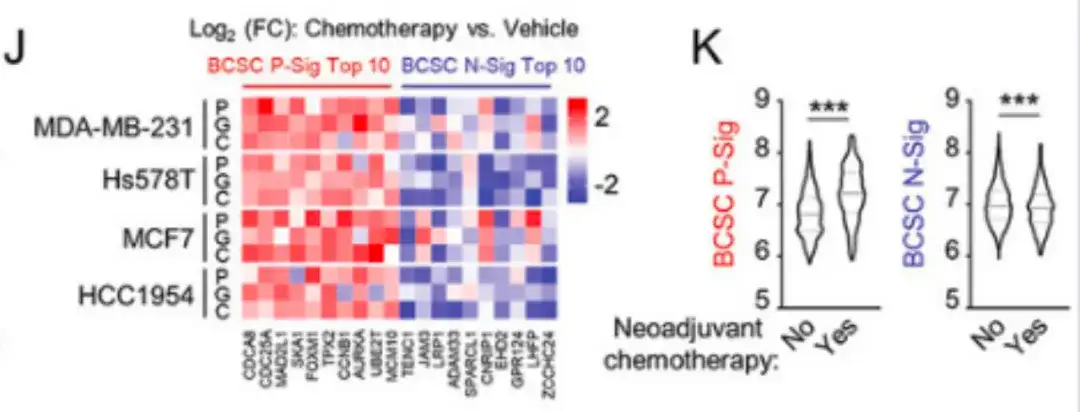
Polyamine anabolism is positively correlated with BCSC enrichment, and the HIF-1 inhibitor Britannin can reduce polyamine biosynthesis and eradicate BCSC
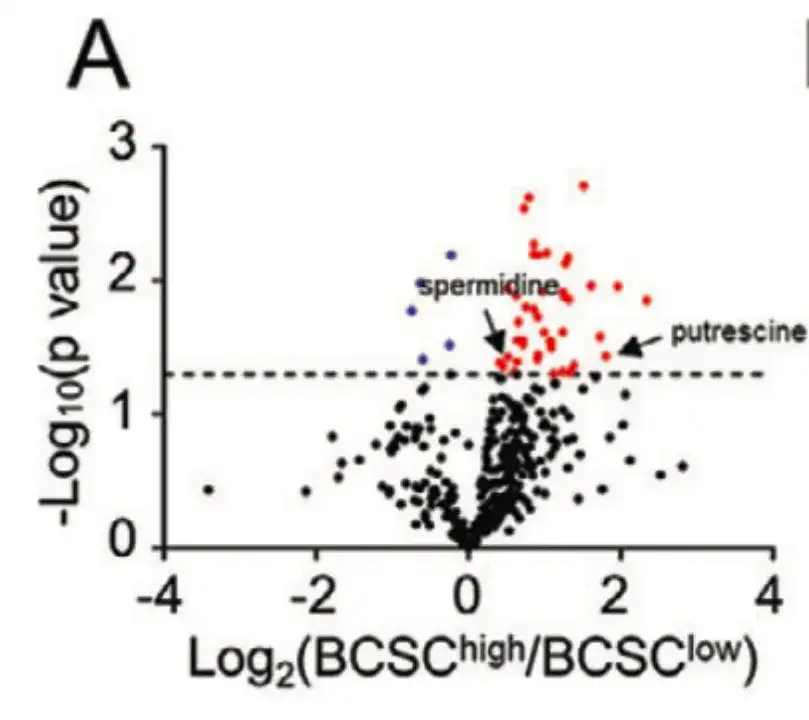
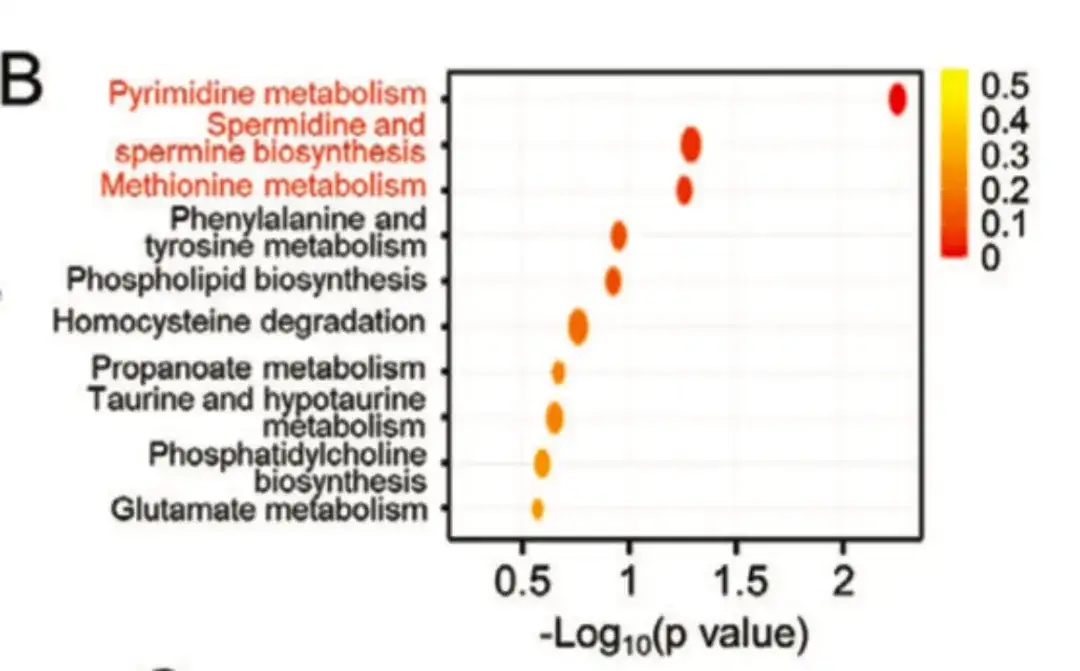
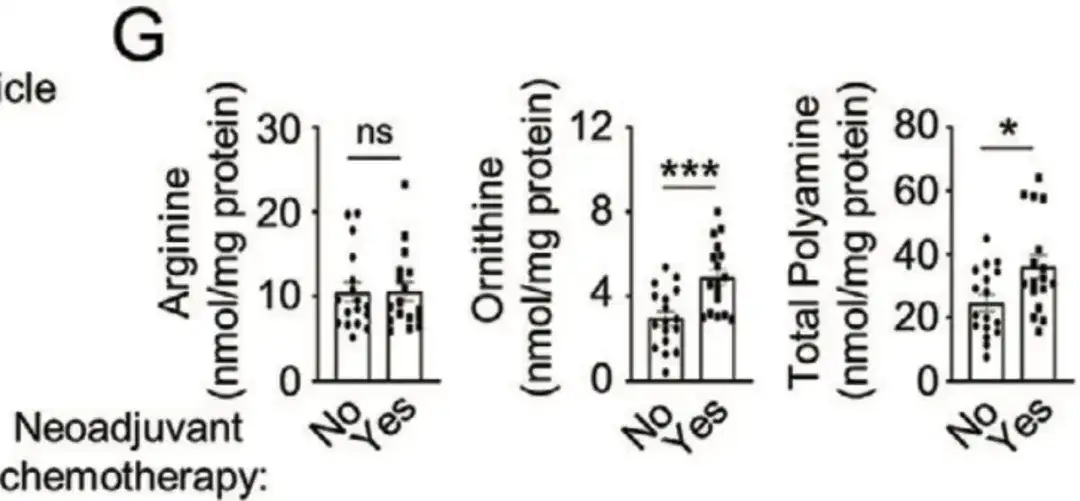
**In order to explore the mechanism of chemotherapy-induced BCSC enrichment from the perspective of cell metabolism,**This study divided 21 patients in TCGA BRCA into BCSChigh and BCSClow groups based on the expression of BCSC signatures, and compared the levels of 399 metabolites between the two groups, as shown in Figure A below.



AI helps pathological diagnosis, and HER2-targeted therapy may be the key
Nowadays, the diagnosis of breast cancer not only relies on imaging results, but pathological diagnosis also plays an irreplaceable role. The expression status of HER2 (human epidermal growth factor receptor 2) is an important consideration in the treatment of breast cancer. AI can assist in identifying the expression level of HER2 in the analysis of pathological sections and provide a reference for subsequent targeted therapy.
Although the principle seems simple, it is not easy to achieve. For example, in order to use AI technology to improve the accuracy and repeatability of HER2 interpretation in breast cancer, a lot of training is required, and the AI system needs to be constantly debugged and compared with the diagnosis of medical personnel. On this basis, the researchers focused on the distinction between HER2 negative and positive, focusing AI on the low expression limit of HER2, so as to evaluate the value of AI in the diagnosis of different heterogeneous HER2 low-expression breast cancers.
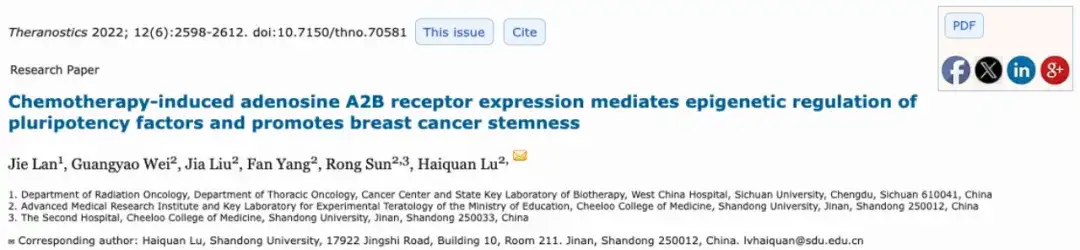
In fact,As early as 2022, Professor Lv Haiquan of Shandong University published a cover article in the biomedical journal Theranostics, revealing that targeting A2BR combined with chemotherapy may block the enrichment of breast cancer stem cells and improve the survival rate of breast cancer patients after chemotherapy.
Paper link: https://www.thno.org/v12p2598.htm
 **This time, Professor Lv Haiquan once again revealed that the combined use of Britannin can inhibit the polyamine anabolism of HIF-1 and eradicate BCSC, which undoubtedly provides a new idea for the treatment of breast cancer.**In the future, AI will play an unprecedented and important role in the treatment of breast cancer, and its application in the medical and health field is increasingly showing great potential. With the continuous advancement of technology and in-depth application, AI will become an indispensable partner in breast cancer and even cancer treatment, bringing more strength and hope to patients.