Command Palette
Search for a command to run...
Amazon Fake Reviews Cost 116 Yuan Per review. How Easy Is It for Online Scammers to Make Money?
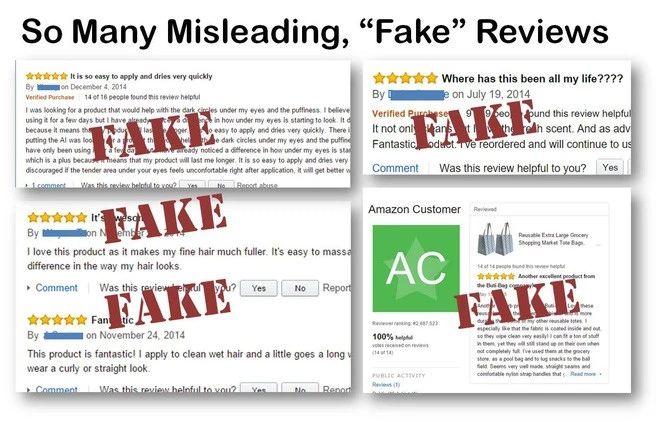
On the well-known e-commerce platform Amazon, fake reviews have been inducing consumers to buy counterfeit products. Although Amazon has implemented some control measures, it still cannot completely eliminate this phenomenon. Recently, media reported that Amazon sellers are buying a large number of fake reviews from professional counterfeiting companies at a high price, and even forming a large gray market. How to identify and regulate these fake reviews? What role can AI play in this?
Amazon has been struggling to combat fake reviews.
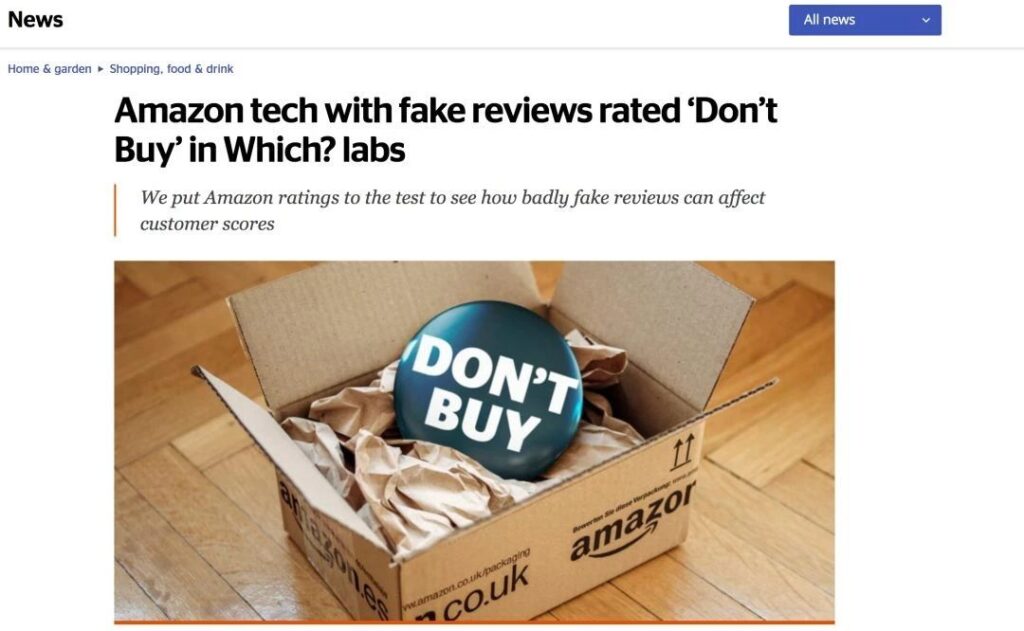
According to the revelations, AMZTigers, a German-based company, specializes in this type of shady dealings. It has 3,000 testers in the UK and nearly 60,000 across Europe to provide fast fake review services.
Amazon has repeatedly said it has implemented regulatory measures on its platform and spent 300 million pounds (2.726 billion yuan) in the past year to protect customers from abuse, fraud and other forms of misconduct. But this report shows that there are still some loopholes in their work.
Fake reviews spread with online shopping
Behind the fake reviews are huge market interests and vicious competition.
A survey of 2,000 adults showed that more than 97% of buyers would rely on online reviews to make the final purchase decision.
Fake reviews often come with fake orders. At the end of last year, a survey by the Beijing News mentioned that Alibaba monitored more than 2,800 fake order gangs in 2018, including 2,384 fake order QQ groups, 290 empty package trading platforms, and 237 fake order trading platforms.
The threshold for fake orders and fake reviews is very low, and they can be seen everywhere on the Internet, and they also control huge traffic. For example, the customer service of the large platform "Shake Hands" claims to have 600,000 "fake operators", while "Baobao Brush Order Network" claims that there are nearly 10,000 "fake operators" online every day. After being exposed, some platforms closed down, while others changed their appearance and resumed the fake order business.
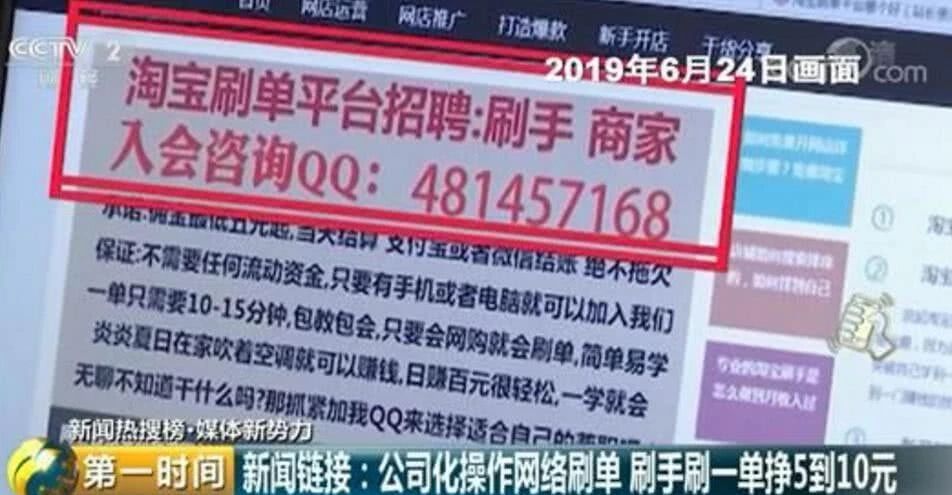
E-commerce, online "brushes", and fake order channels are intertwined together to form a huge black industry chain of fake orders. They have a complete set of complex and detailed operating procedures, which results in a large number of false sales and false reviews.
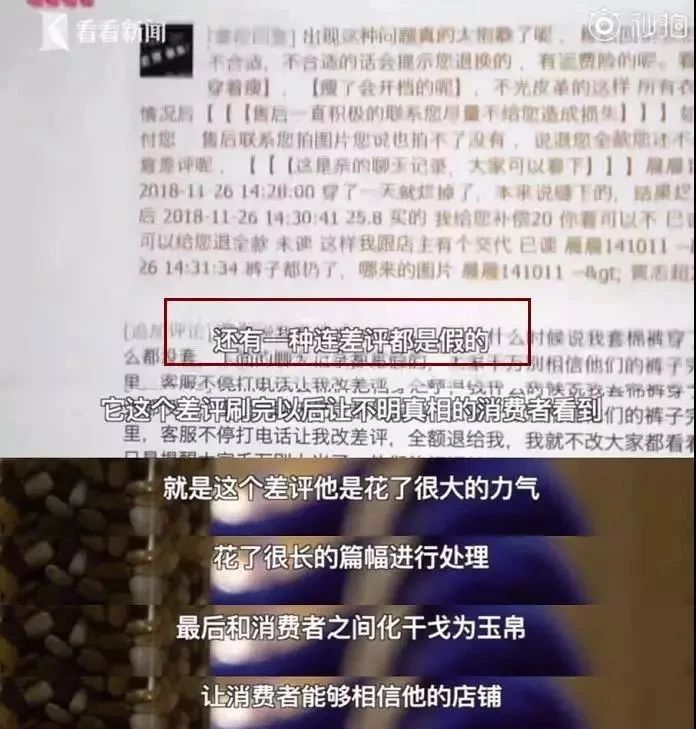
In addition to the need for e-commerce platforms to adopt more complete management systems, perhaps another feasible way is to make good use of the power of AI.
AI technology is becoming a powerful tool for fighting counterfeiting
Since fake reviews have attracted attention from people and e-commerce platforms, traditional data analysis methods have been used to detect fake/fraudulent reviews. However, early data analysis techniques usually focused on extracting quantitative and statistical data features.
As a result, some researchers have turned to machine learning and artificial intelligence as a more effective way to combat fake reviews.
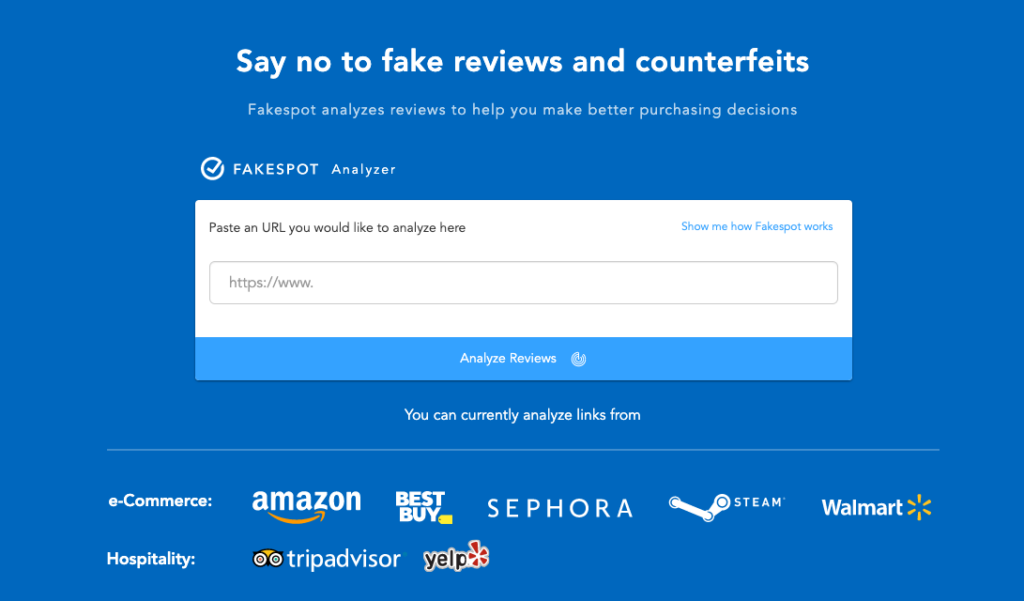
This type of technology belongs to the category of natural language processing. By extracting and identifying false and unreliable consumer reviews on popular e-commerce platforms, the algorithm is trained to learn to identify and judge false reviews, and eventually learn to score the credibility of user reviews.
One of the important tasks is to perform anomaly detection, which determines whether the comment belongs to a normal user or a malicious fake comment based on the writing style and format combined with various available information of the commenter.
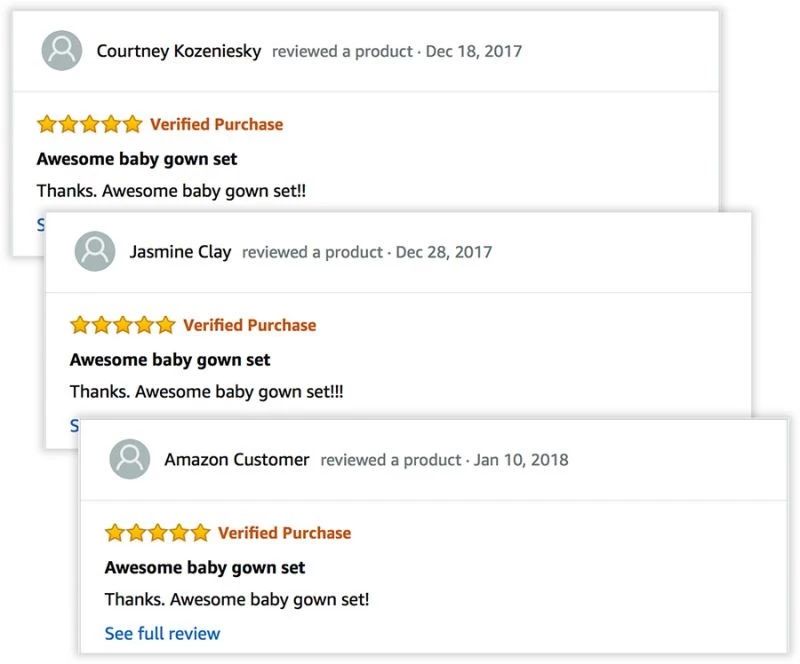
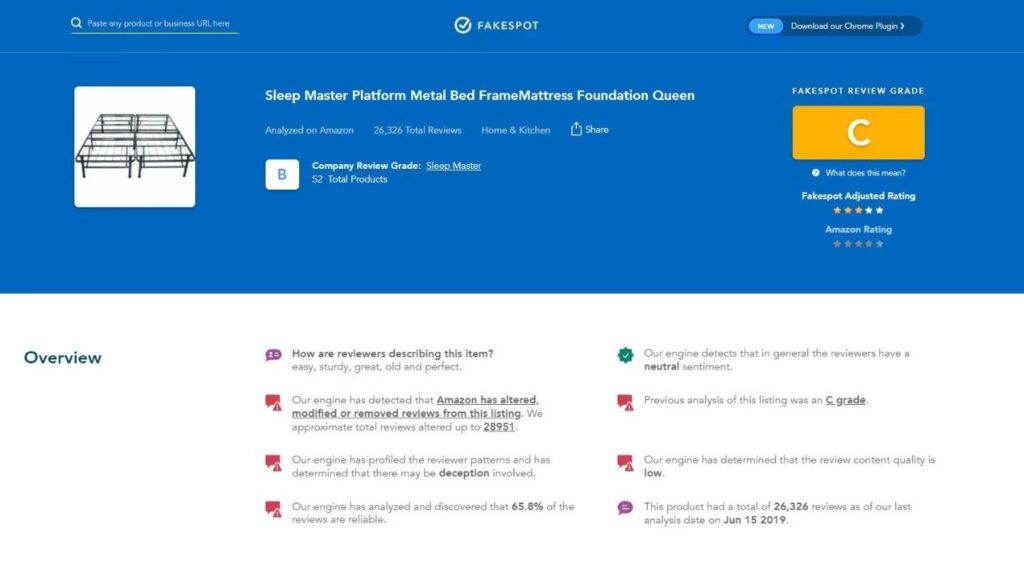
For example, we can find suspicious spelling and grammar, combined with the number of reviews, purchase methods, date mismatches and other signs of suspicious review activities. In combination with the human analysis team, we can analyze from multiple data dimensions to determine the authenticity of the reviews.
Can AI provide a healthy online shopping environment?
When we try to find more product information from user reviews, those with ulterior motives have already used them as chips for illegal profiteering.
AI can help us filter out false reviews from these platforms and create a relatively clean online shopping environment.
At the same time, AI will also be used to create false reviews, and then the technology to detect AI fraud has been born... This competition has gradually escalated into a battle of offense and defense of AI.
But what is certain is that only by making good use of technology and using it correctly can we achieve ultimate victory.
 -- over--