Command Palette
Search for a command to run...
Monitoring AI on the Han River Bridge Saves the Life of a Suicidal Person

Since April 2020, the Seoul National University of Science and Technology in South Korea has been working with Seoul's emergency services to analyze and predict whether pedestrians are engaging in suicidal behavior based on surveillance footage installed on the Han River Bridge.
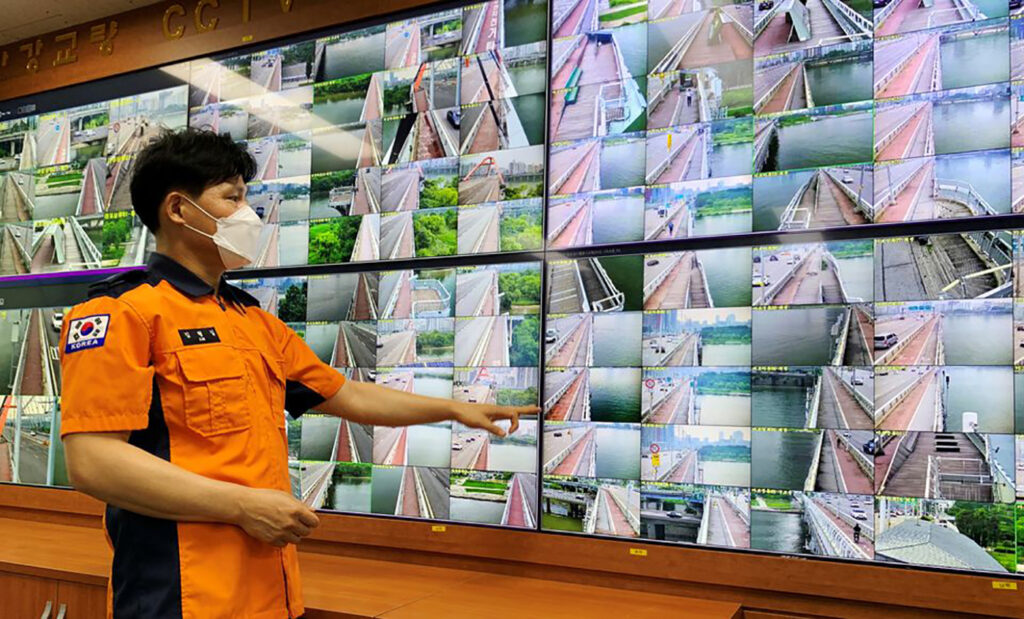
In addition to this suicidal behavior prediction, the research team led by Kim Jun-chul Institute,It also uses cameras, sensors and dispatch records of rescue services to enable AI to learn and understand rescue mission deployment behaviors in emergency situations.

The Han River witnessed the rise and also bid farewell to life
The Han River that runs through Seoul created the "Han River Miracle" that led to the rise of South Korea's economy after the Korean War.
The Han River records the amazing achievements of South Korea, which went from being a ruin after the war to achieving rapid economic development and becoming one of the top economies in Asia despite the extreme scarcity of capital and resources.
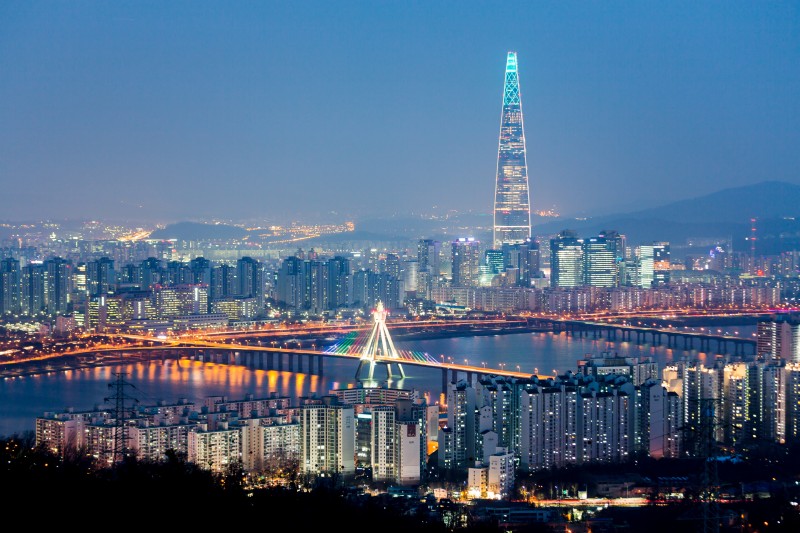
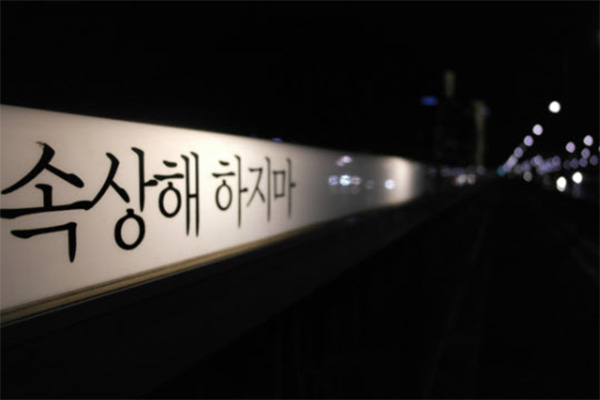
Of all the bridges across the Han River, the Mapo Bridge has the highest number of suicides. In 2012, 15 people jumped from the bridge, and since that year, some heartwarming slogans on the bridge have been added to prevent suicides.
However, starting in 2013, the number of suicides at Mapo Bridge increased to 93, and in 2014 it increased to 184. It was not until 2016, when the government raised the height of the railing from 1.5 meters to 2.5 meters, that the number of people jumping into the river began to decrease, falling to 163 in 2017 and 148 in 2018.
In July last year, former Seoul Mayor Park Won-soon was found dead by suicide after being involved in a workplace whistleblower case. At the end of the month, the slogan he had left on the Mapo Bridge was also removed.
AI can save people, but it can’t save an out-of-control society
In July this year, South Korea was officially recognized as a developed country by the United Nations Conference on Trade and Development (UNCTAD), becoming the first country in history to change from a "developing country" to a "developed country."
After a brief moment of excitement, many media outlets in South Korea also began to reflect: Now that the country has joined the ranks of developed countries, have all its citizens really become developed?
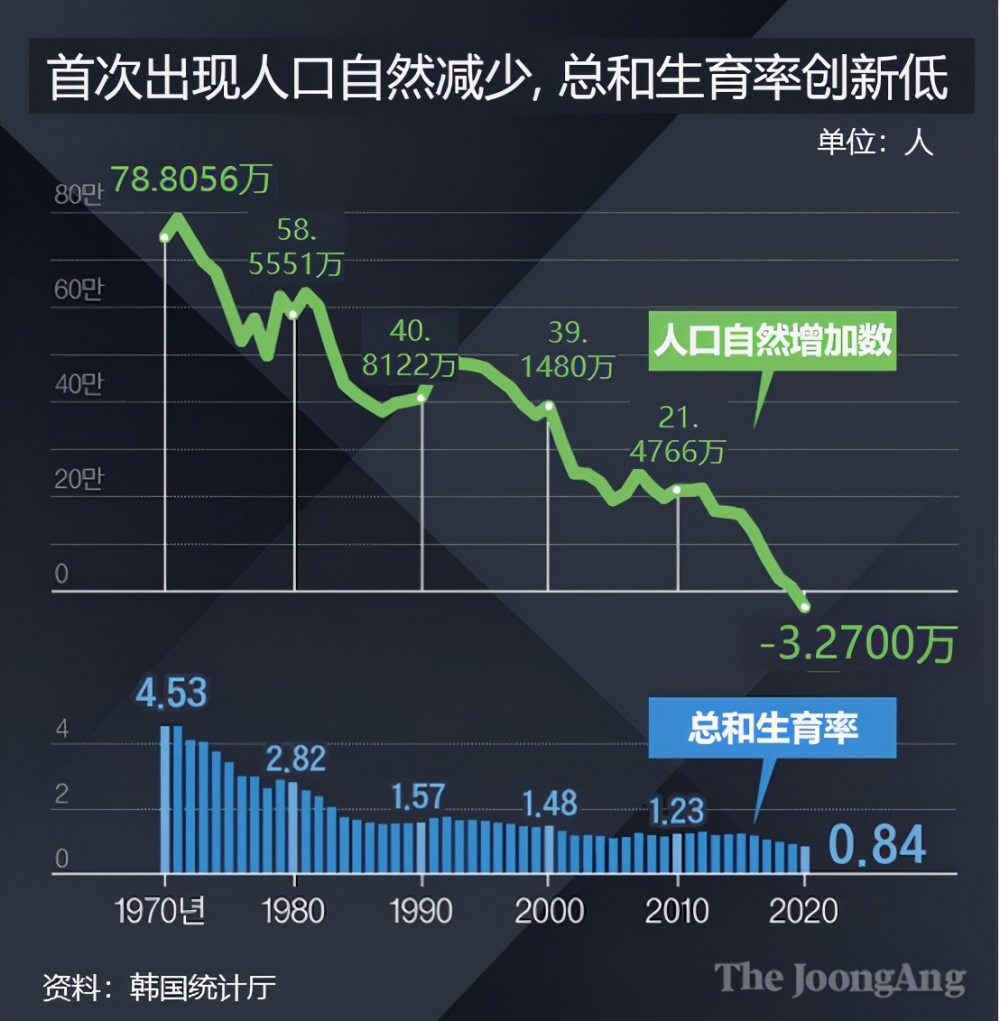
Seoul News bluntly pointed out that the phenomena of "rising housing prices, difficulty in finding jobs for young people, social inequality, and the birth rate continuing to hit new lows" have intensified, and ordinary Koreans simply cannot experience the happiness of developed countries.
 South Korea's national happiness index ranks 35th among 37 OECD countries and regions, but its suicide rate ranks first. In 2019, more than 13,700 people committed suicide in South Korea, with a suicide rate of 26.9 per 100,000 people, and the male suicide rate is 2.4 times that of females.
Recent surveys also show that the number of people with suicidal thoughts has increased by 10% compared to two years ago.
Common chatbots, such as AI, can quickly establish communication with potential suicidal people, listen to their stories, and provide timely care and comfort. They can also evaluate potential suicidal people through sentiment analysis in text and warn rescue departments.
There is also behavior prediction AI similar to that used by the Han River rescue department, which is installed in high-risk areas to evaluate and warn of the behavior of pedestrians in real time, allowing rescue departments to quickly arrive at the scene for rescue and intervention.
But when faced with people who are desperate and want to end their lives, suicide intervention AI is still imitating humans, providing human care and observation to companions in desperate situations.
Ultimately, the only one who can save people is people themselves.