Command Palette
Search for a command to run...
Stability AI Officially Launches Its Commercial Transformation: Open Source Boom but Profit Crisis, Can Top Management reshuffle/product Restructuring Save It?

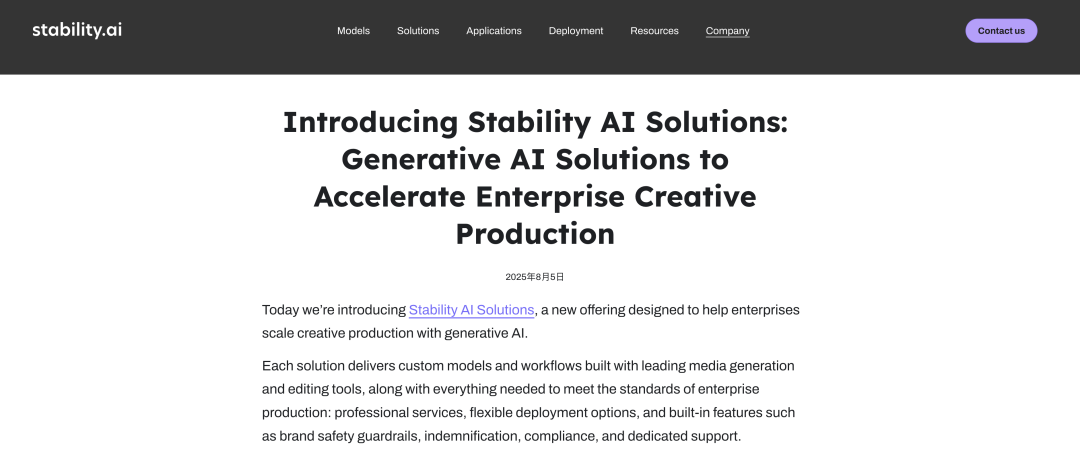
On August 5, 2025, Stability AI released "Stability AI Solutions," a product for enterprises. In an official statement, CEO Prem Akkaraju said that the product is designed to provide generative AI solutions for enterprise creative production. "Enterprises need more than just a platform; they need a partner, and that's exactly what Stability AI Solutions provides."This release is seen as a strategic transformation for Stability AI from an open community to enterprise services, and it also means that this company, which champions "open source," is beginning to officially bow to "commercialization."
This seemingly "back on the commercial track" transformation exposes the core paradox of the Stability AI open-source movement: Stability AI proved the possibility of open-source AI in two years, only to reveal its limitations within the same two years. Last year, amidst the departure of its founder, Stability AI raised only about 80millioninnewfunding,whilethecompany′sprojectedspendingoncloudinfrastructurealoneexceeded99 million in one year. This company, hailed as an "open-source rival to OpenAI," was once seen as an idealistic symbol in the fight against OpenAI.**However, within just three years, it fell into a survival predicament of financing crisis, internal strife among senior management, and product stagnation, caught between capital, operations, and competition.**The ideals of open source are becoming increasingly fragile in the face of market choices.
From "open source pioneer in the community" to "enterprise service provider," Stability AI's business transformation directly questions the structural contradictions of open source AI: when the boundaries of generative AI models as products become blurred, can enterprises survive in the wave of openness? And under Stability AI's individual predicament, the sharing spirit of democratizing AI technology is being rewritten by market logic.
As an open-source rebel, Stability AI is rapidly rising in the market.
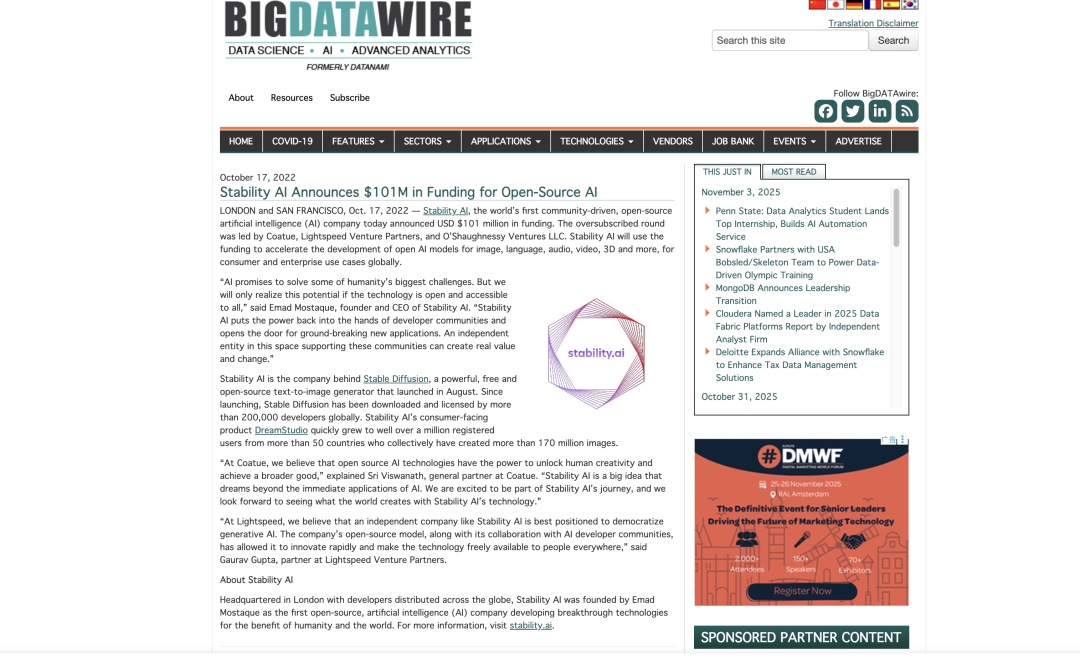
Founded in London, UK in 2020, Stability AI became the first open-source AI company dedicated to developing groundbreaking technologies that benefit humanity and the world. Co-founder and CEO Emad Mostaque stated, "AI promises to solve some of the most pressing challenges facing humanity, but its true potential can only be realized by making the technology open and accessible to everyone."By collaborating with the open-source community and independent researchers to replicate closed-source AI capabilities at low cost, Stability AI’s core strategy and corporate vision has become a driving force.
"Stability AI is giving power back to the developer community and opening the door to groundbreaking new applications. In this space, an independent body that supports these communities can create real value and change," Emad Mostaque noted in a BigDATAwire report.
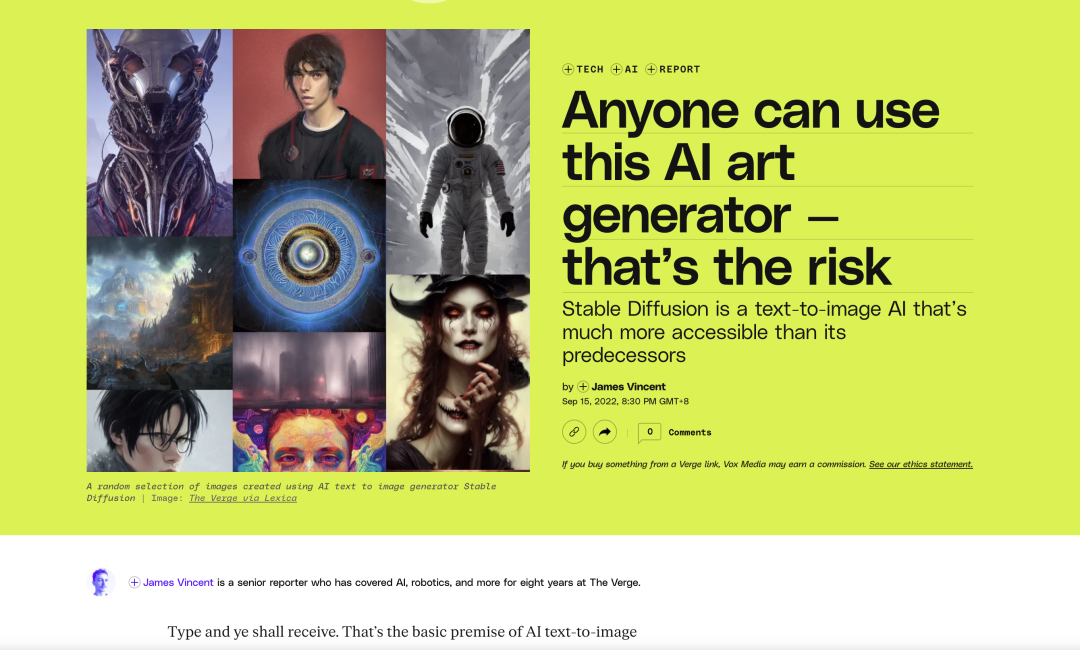
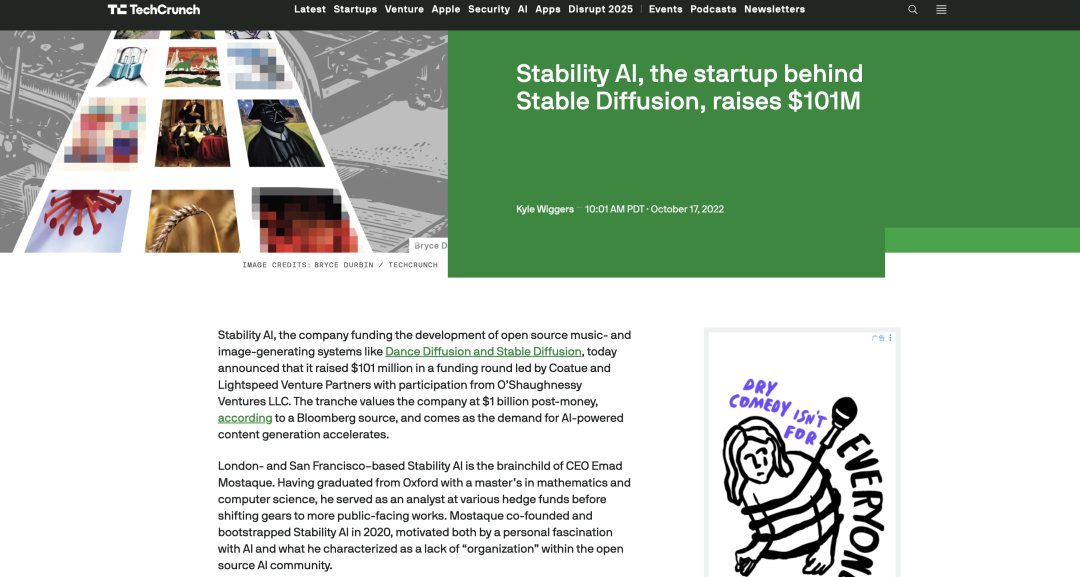
By sharing its models, Stability AI achieved global dissemination at extremely low cost. Downloads of Stable Diffusion 1.0 rapidly surpassed 10 million within two months, and derivative projects on GitHub flourished, forming a considerable open-source ecosystem. On October 17th of the same year, Stability AI announced the completion of a 101millionfundingroundledbyCoatueandothers,bringingitsvaluationtoover1 billion. In an interview with The Verge, Emad Mostaque stated, "Anyone can use this generator, which means that everyone from 3-year-olds to 90-year-olds can create freely."
From its initial founding principles to model releases, from community expansion to funding breakthroughs, Stability AI's early explosive growth seemed to foreshadow a pivotal moment in the industry. However, behind this rapid growth, undeniable structural concerns are emerging in its open-source business: the contradictions between the boundaries of technological openness, business sustainability, and organizational control are gradually becoming apparent.
Growth Illusion and Collapse of Control: Business Shrinkage Behind the Open Source Boom
Despite Stability AI's early breakthroughs in the field of open-source generative AI, its rapid growth in the early stages also hinted at a fatal flaw: the diffusion effect brought about by open source is backfiring on Stability AI's own commercial space.
The open-source release of Stable Diffusion has fueled explosive growth in the global creative community, but it has also put companies in a passive position regarding governance and control.**The model is widely copied, misused, and frequently infringed upon externally.**However, Stability AI has extremely limited ability to regulate its own technology, which has repeatedly weakened the company's product boundaries and profitability.
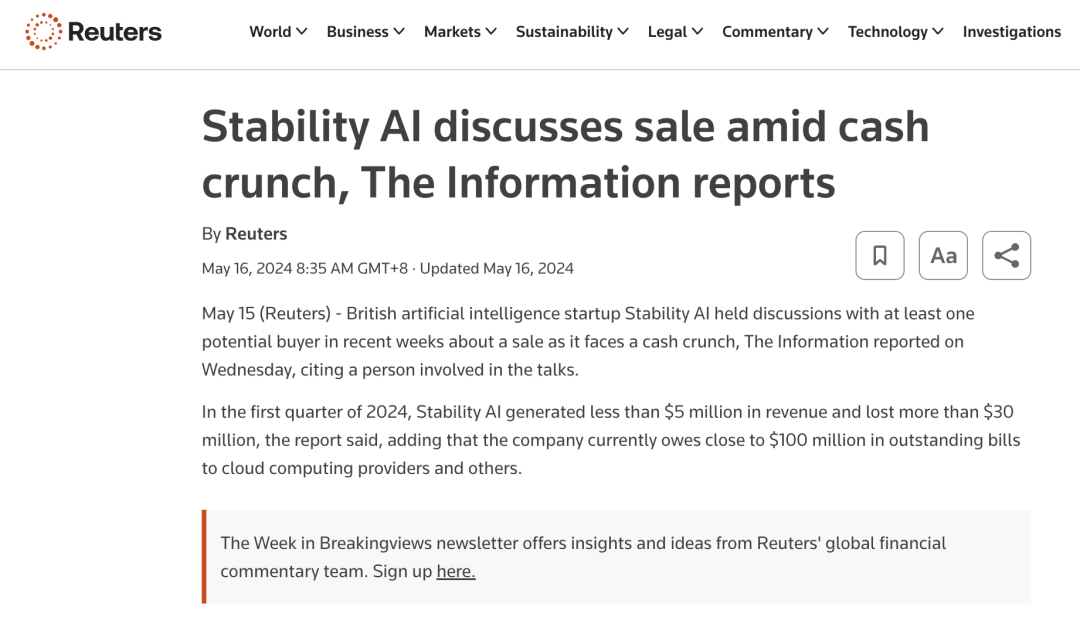
This imbalance began to surface in the second half of 2023. Between July and September, Stability AI released Stable Diffusion XL (SDXL 1.0), which made progress in generation quality and performance, garnering positive technical reviews, but the market response was somewhat lukewarm. Meanwhile, Stability AI's commercialization path stalled: the company attempted to build a revenue stream through its DreamStudio paid platform, Stable Enterprise API, and subscription tools and custom model services, but with limited profitability. According to Reuters, the company generated less than 5millioninrevenueinthefirstquarterof2024,whileincurringlossesexceeding30 million and owing nearly $100 million to cloud service providers.
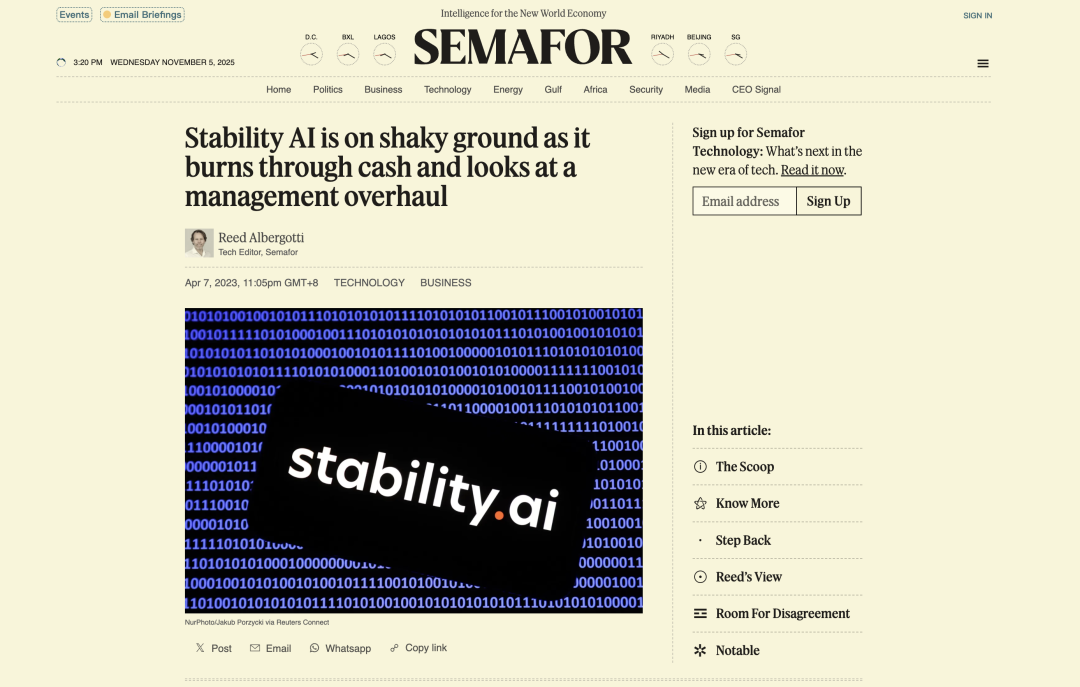
In a 2023 exclusive report, Semafor revealed that, according to reliable sources, Stability AI was burning through cash to grow its business, attempting to boost sales by hiring new executives. "Stability AI has already burned through a large portion of the $100 million it raised at the end of last year, and according to sources, two anonymous venture capitalists interviewed by Semafor are reconsidering whether to participate in an upcoming funding round. Despite high brand recognition and rapid early user growth, its revenue is still insufficient to offset high server costs and the expenses of rapidly recruiting employees globally."
Furthermore, the report also stated that amid the crisis of slowing growth, some employees have lost confidence in CEO Mostaque's leadership style.
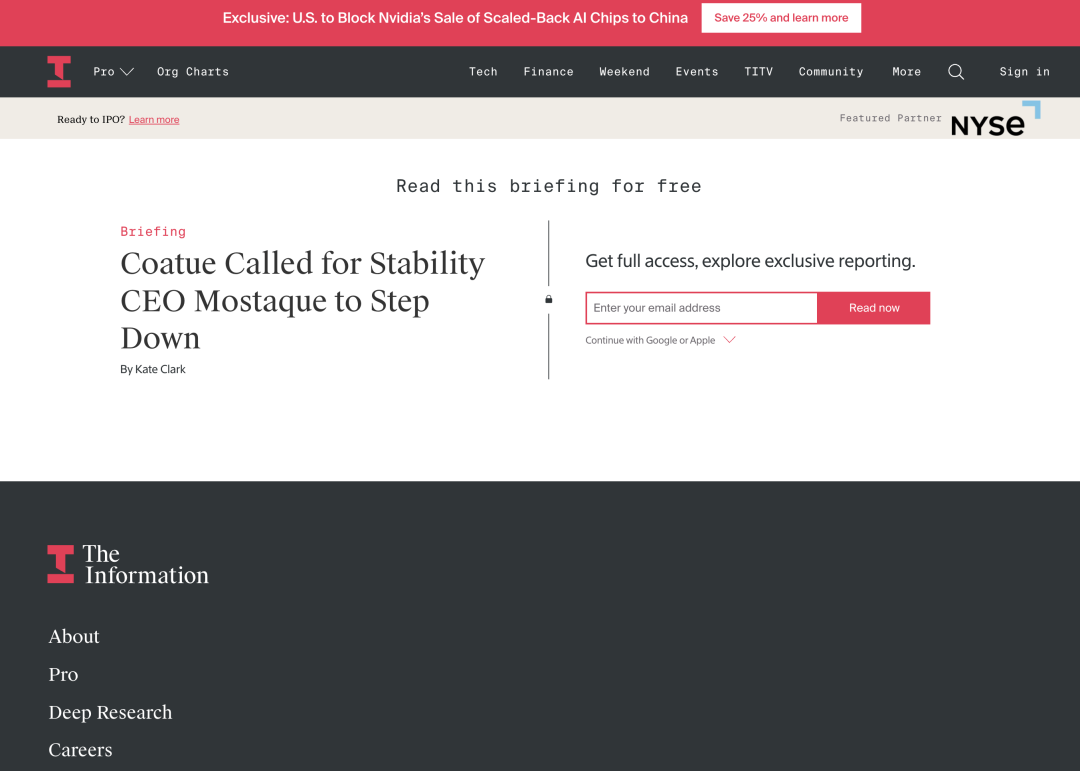
Subsequently, these rumors seemed to have been proven to be true.
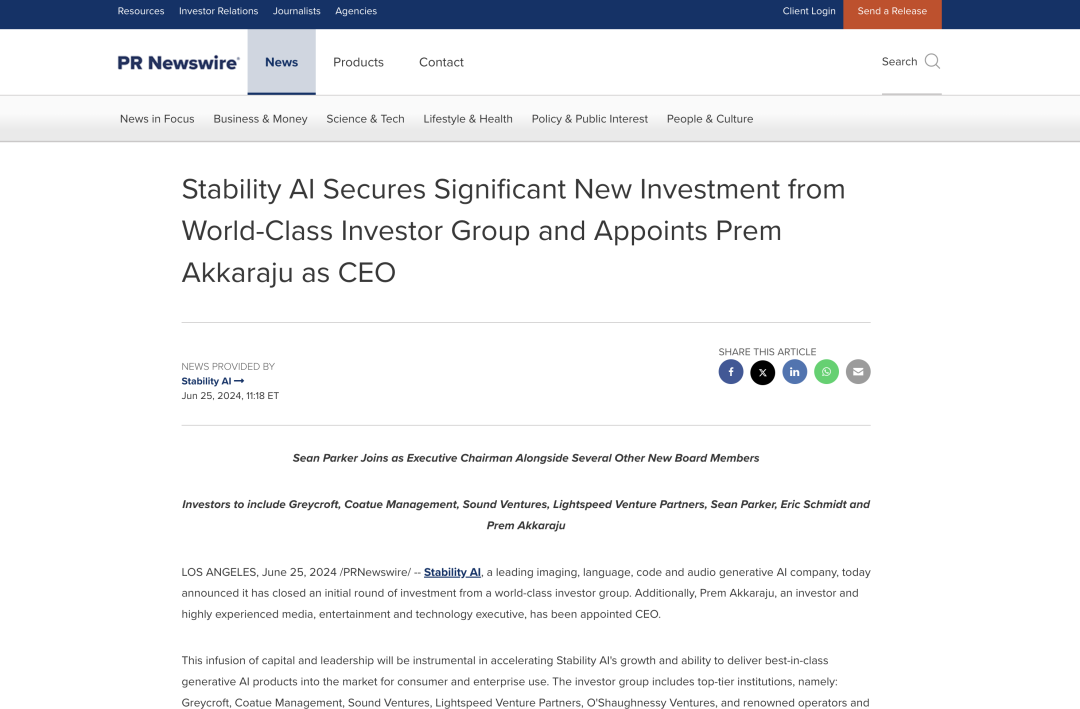
As Stability AI undergoes enterprise transformation, open-source AI is entering its next phase of restructuring.
In fact, open-source AI is not a new topic. In a 2024 interview, when discussing OpenAI and open source, Musk directly expressed his skepticism, saying, "How is this possible? OpenAI's original mission was open source and non-profit, but now it is really trying to maximize profits."
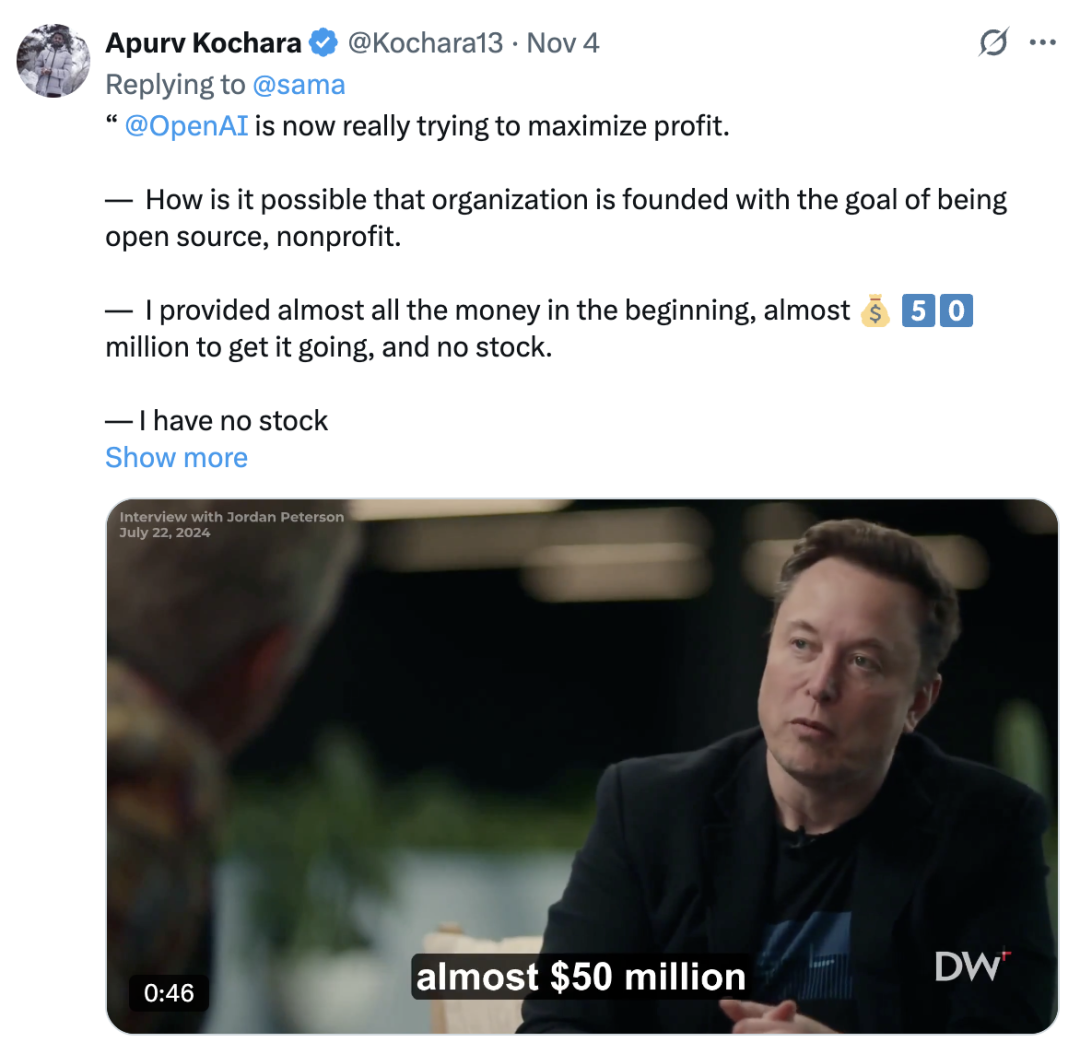
Emad Mostaque, the founder of Stability AI, once criticized OpenAI for "betraying the original intention of open source," but the reality is even more brutal: OpenAI's closed-source monopoly allows it to gain profits and control, while Stability AI's openness weakens the company's sustainability.
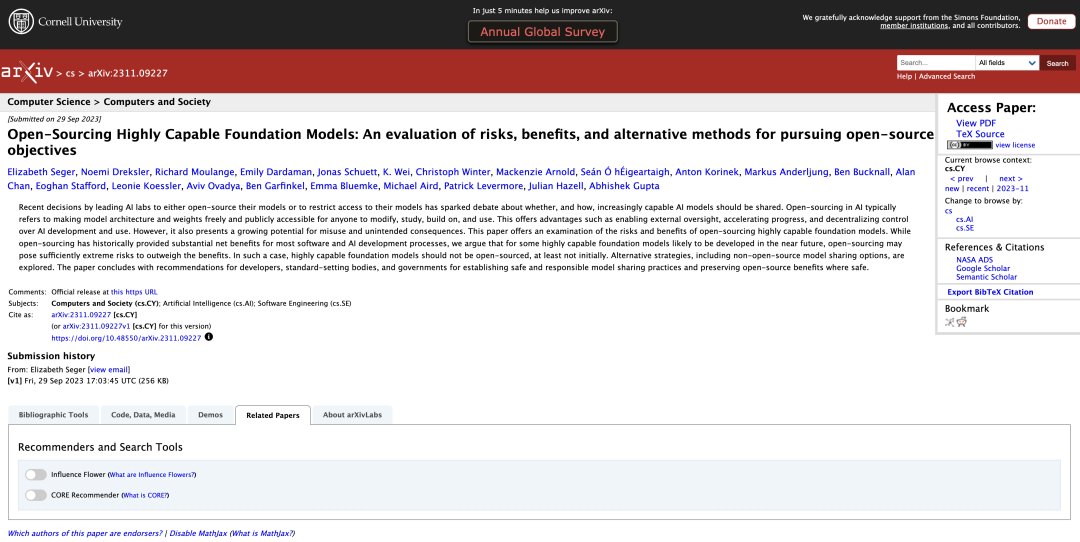
Furthermore, R-Street's editorial also noted that open-source AI once symbolized the ideal of technological democratization, but when generative models gain social influence, openness itself becomes a public act: "When AI models begin to have social influence, they are not just technological assets, but also governance issues. If open-source companies lack a corresponding accountability system, even with innovative outputs, they may fall into a trust deficit due to a lack of governance."
The limitation of Stability AI lies to some extent in its misaligned strategy of operating a "public ecosystem" with the mindset of a "product company".
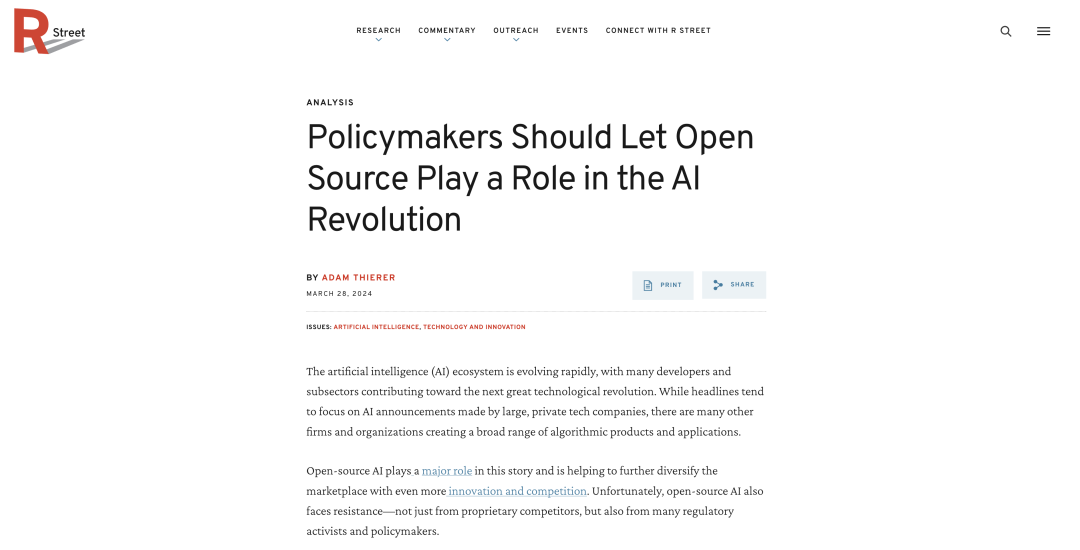
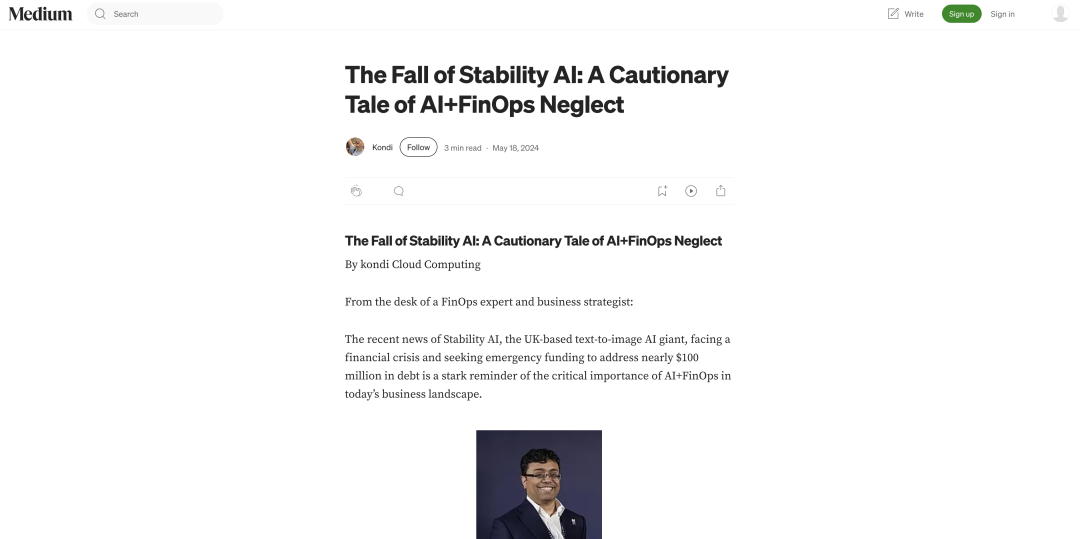
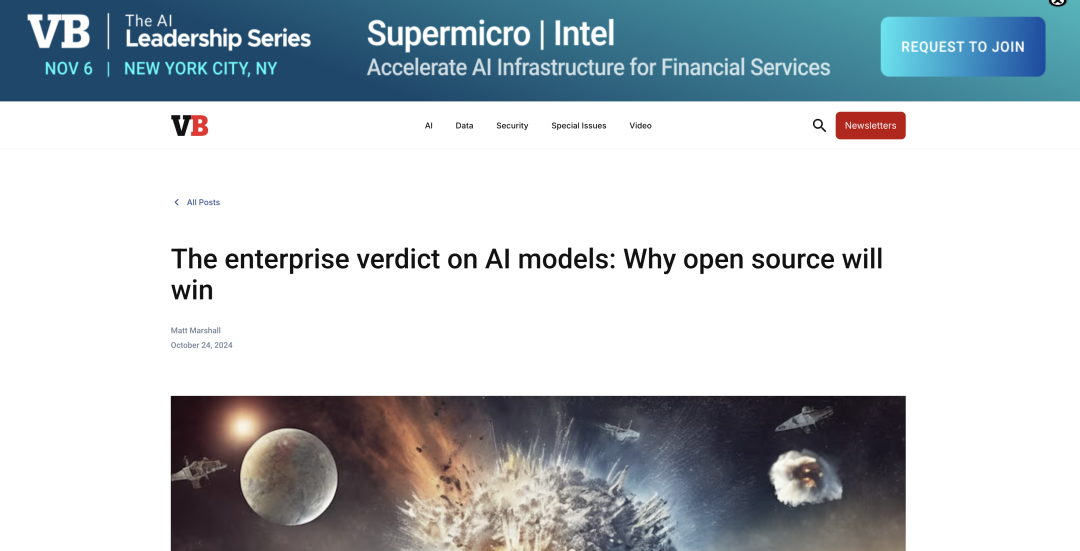
Against the backdrop of a continuously increasing demand for open-source LLMs, the enterprise community is accelerating the competition between open-source and closed-source systems, hoping to further pursue control, customization, and cost-effectiveness.**The competition between open source and open source is reshaping the value chain of the AI industry.**According to VentureBeat, downloads of the Meta open-source model exceeded 400 million in 2024, a tenfold increase year-on-year. From technological equality to brand trust, the surge in open-source model adoption is driving leading companies to adopt open-source alternatives.
In an interview with VentureBeat, Groq CEO Jonathan Ross acknowledged that the percentage of Groq's customers using the open model has increased significantly, stating, "The open model will ultimately prevail, and most people are genuinely worried about being restricted by vendors."
In addition, Baskar Sridharan, VP of AI and Infrastructure at AWS, acknowledged this trend, saying, "We are definitely seeing this, with a significant increase in the use of publicly available models."
In other words, Stability AI's corporate transformation, beyond its individual company evolution, signals a restructuring of the open-source AI ecosystem at the business, governance, and institutional levels. Whether the commercialization path chosen by the company is effective and worth promoting remains to be seen.
2.https://venturebeat.com/ai/the\-enterprise\-verdict\-on\-ai\-models\-why\-open\-source\-will\-win
3.https://medium.com/%40human.gold/the\-fall\-of\-stability\-ai\-a\-cautionary\-tale\-of\-ai\-finops\-neglect\-56389d5c9819
4.https://www.rstreet.org/commentary/policymakers\-should\-let\-open\-source\-play\-a\-role\-in\-the\-ai\-revolution/
5.https://sifted.eu/articles/stability\-business\-model
6.https://stability.ai/news/stable\-diffusion\-public\-release