Command Palette
Search for a command to run...
The Budget May Be Cut by $6 Billion! Musk's cost-cutting Guillotine Is Aimed at the National Science Foundation of the United States, and More Than 3,000 Scientists Resisted in Vain
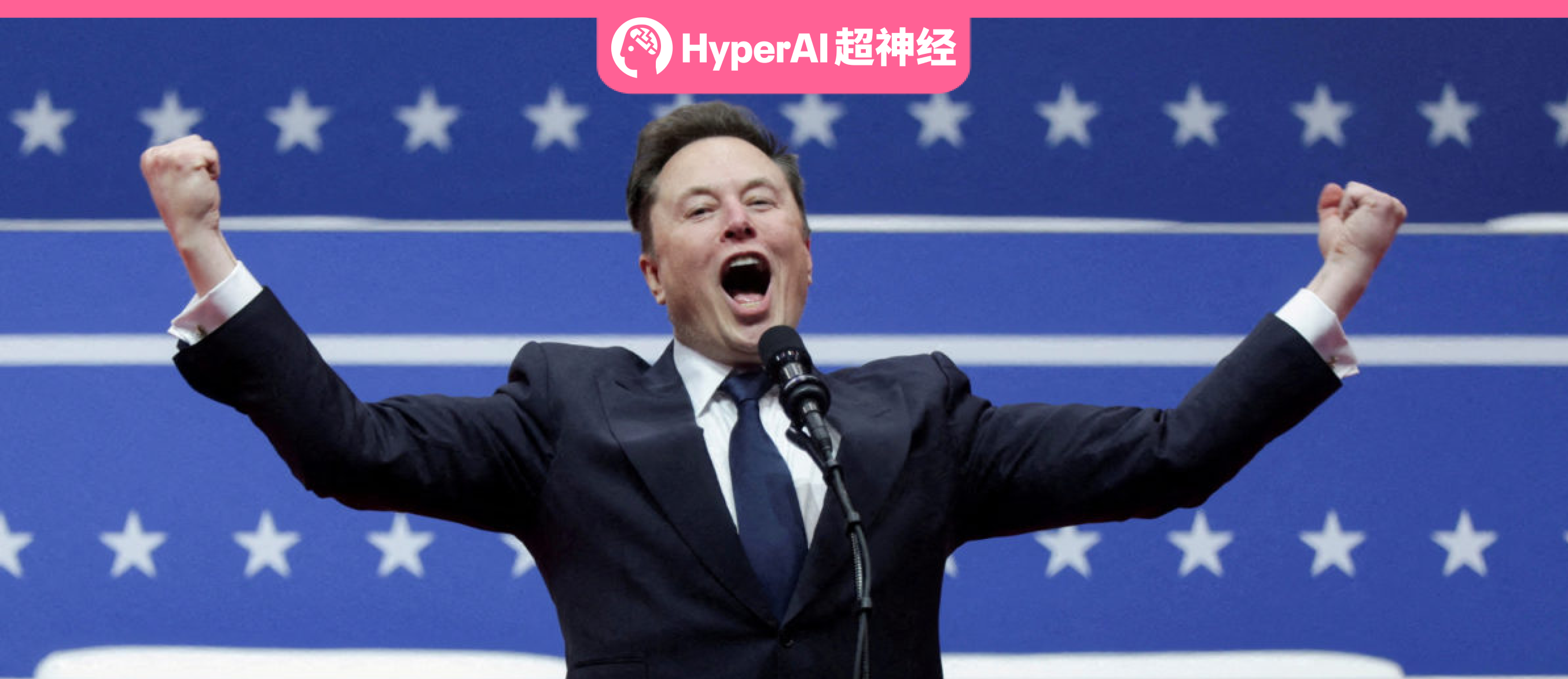
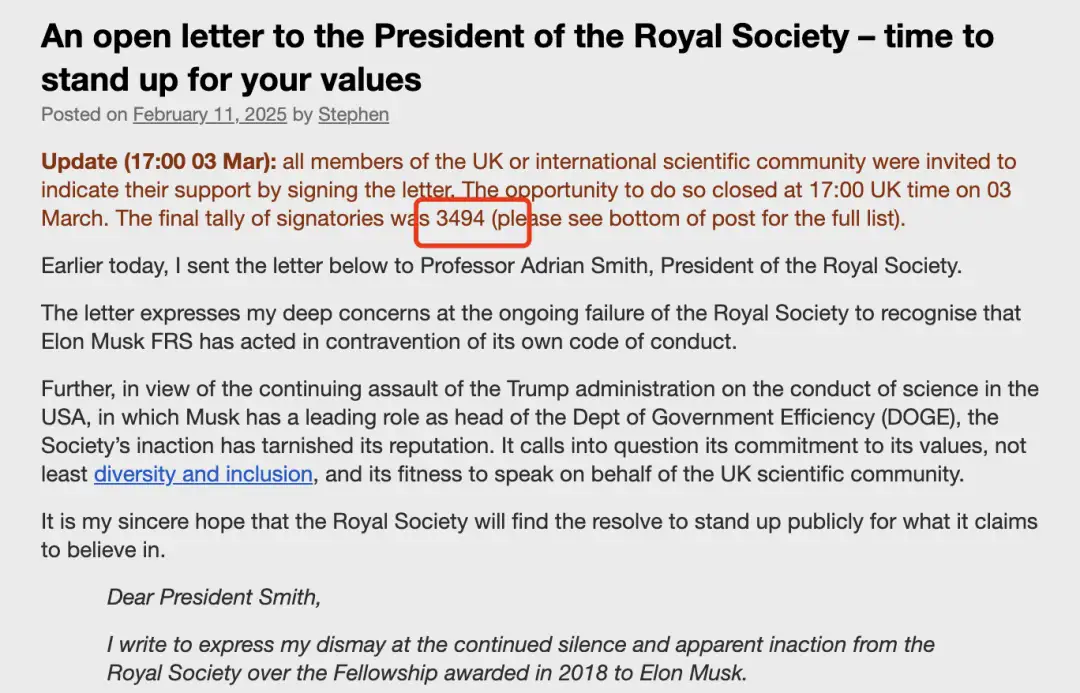
When more than 3,400 scientists stood up and even resigned from their positions as academicians, demanding that the Royal Society of the United Kingdom expel Musk, we have to ask: What exactly did Musk do to make the entire scientific community so angry?
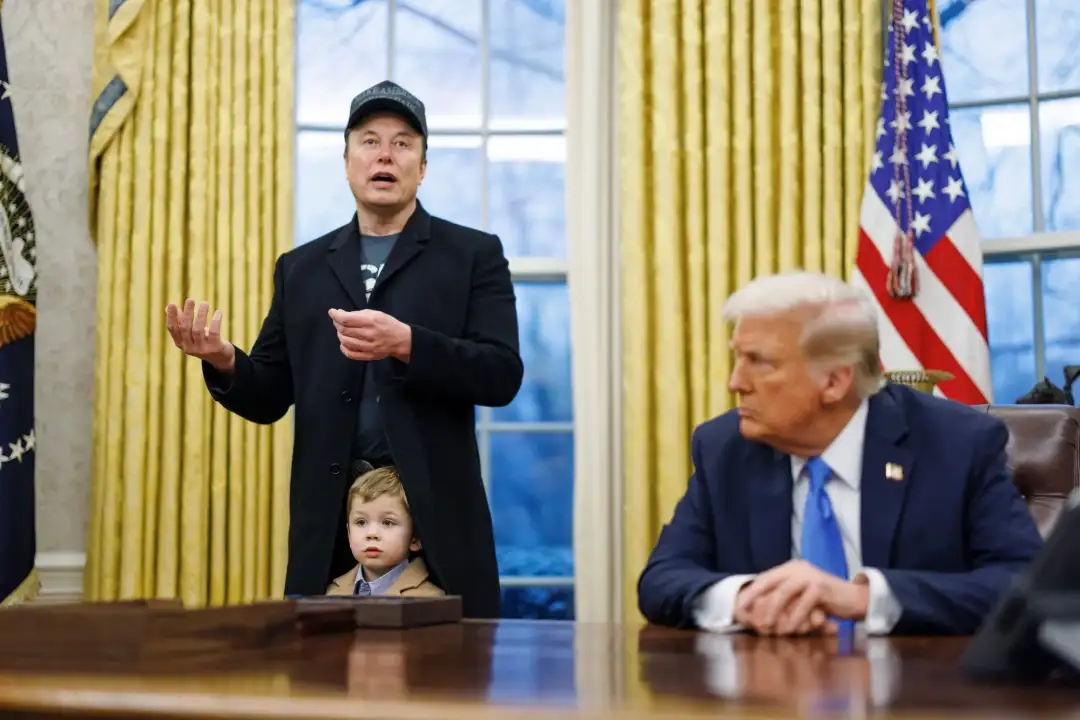
As Musk's behavior becomes more unscrupulous, more and more scientists have expressed concern and regard it as a "threat to science."
The dangers of "AI judge" have also hurt the scientific research community
**The establishment of the DOGE department stems from dissatisfaction with the government's huge spending and complicated bureaucracy.**Take the US Department of Defense as an example. It spent 2117˙milliononnewfurniture,32,000 to replace 25 coffee cups, and hundreds of thousands of dollars on soap dispensers... This also confirms Trump's prediction in an interview: "We will find billions and hundreds of millions of dollars in fraud and abuse."
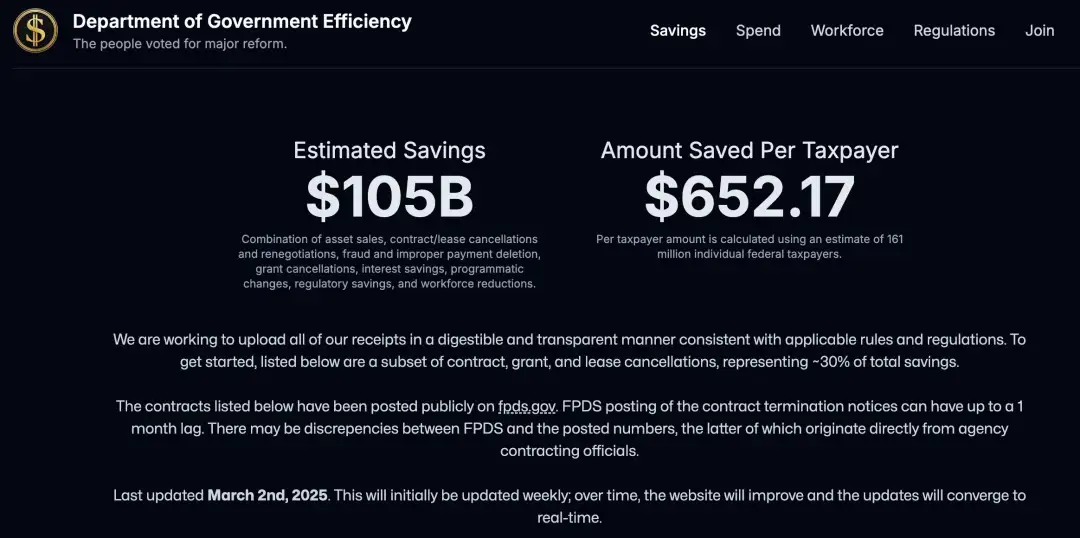
According to DOGE's official website, through measures such as layoffs, cancellation of project contracts, reduction of fraudulent expenditures, and weakening of institutional regulatory capabilities,They estimate that they have saved 105billion,whichmeansthateverytaxpayerwillhavetheopportunitytoreceivea"taxrefund"of652.17.
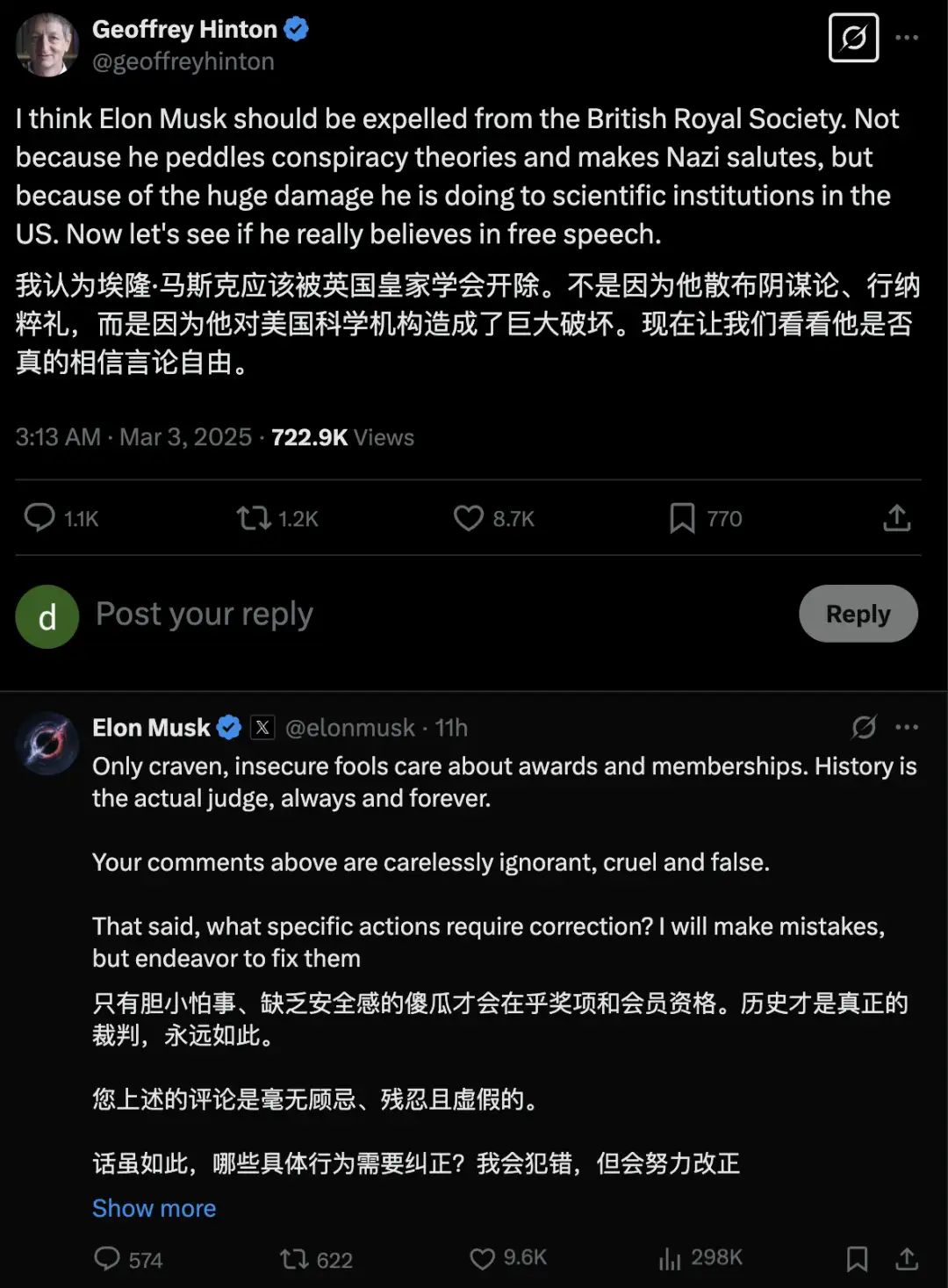
 On March 3, AI godfather and Nobel Prize winner in physics Geoffrey Hinton publicly issued a warning:Musk is wreaking havoc on the US scientific research community.Musk shrugged, "Only cowardly, insecure fools care about awards and memberships." But perhaps in order to avoid further controversy, he followed up with:"Having said that, what specific behaviors need to be corrected? I make mistakes, but I work hard to correct them."
 at the same time,Many scientists have expressed concern about Musk's reliance on AI tools to determine the scale of layoffs and budget cuts in government agencies.
According to a previous report by Washington Post, DOGE is using artificial intelligence software accessed through Microsoft Cloud to analyze sensitive data of the Ministry of Education (employee information, student aid information, financial data, etc.) to investigate every expenditure of the institution, such as looking for abnormal information (duplication, inefficient expenditure, etc.) on the flow of expenses such as contracts, grants, and work travel.**The intention is to eliminate all work that is not critical to operations or has unclear legal requirements in order to ensure consistency with the Trump administration's "efficiency first" goal.**It is reported that the DOGE team plans to replicate the above process in many departments and institutions.
Since the AI experts on the DOGE team have no government work experience and most of them are between 19 and 24 years old, many people protested against this. Amanda Renteria, CEO of Code for America, believes that**The premise for creating effective and practical AI tools is to have a deep understanding of the data used to train it, which the newly established DOGE team obviously does not have.**Once they encounter problems with hallucinations and biases, they may not be able to detect these errors.

When science meets "efficiency first", free exploration becomes a luxury
The mission of DOGE departments is to improve government efficiency, and they pursue quantifiable and immediate results. However, scientific institutions, especially those engaged in basic research, aim to pursue potential and unknown breakthroughs, which are usually not measurable by prescribed standards.**When "efficiency first" meets scientific research, researchers may be forced to pursue quick, quantifiable research and ignore those studies that require time to settle and have long-term significance.**By then, the so-called correction by Musk will be too late.
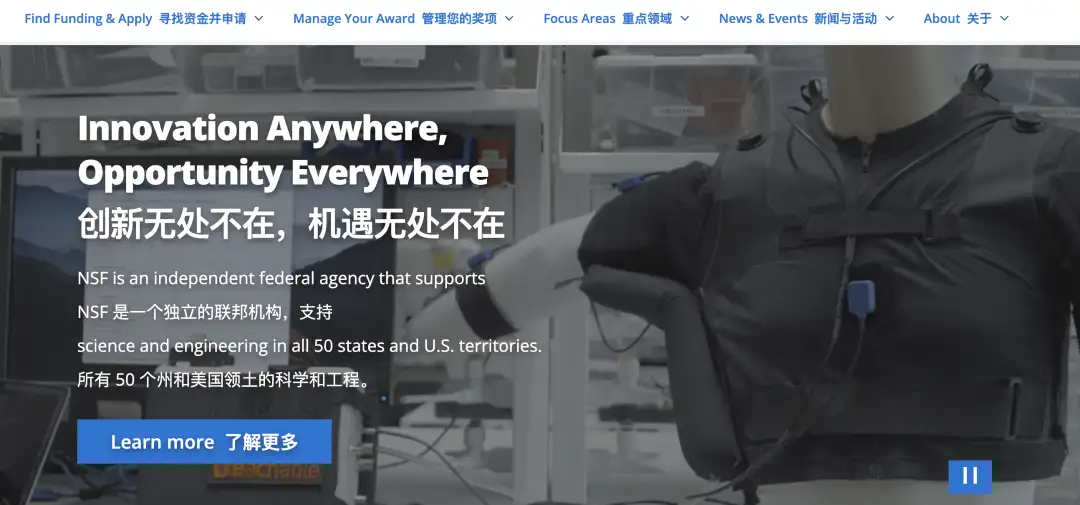
According to foreign media reports, in the past, the National Science Foundation (NSF) had an annual budget of 9\-10billion,andhashistoricallyprovidedfundingforresearchat1,800institutionsintheUnitedStates,supportingnearly809 billion to $3 billion (arstechnica reported). To this end, NSF leadership has suspended new grants, and has also marked grants for about 10,000 research projects as "pending review," leaving the fate of these projects "shaky."
Similarly, once the government's utilitarian and applied research needs are accepted,**Then scientists will face the greatest challenge in history - no longer being the master of problem definition,**Instead, research will be conducted within limited areas designated by the government, and free exploration will become a luxury.
In the past, scientists relied on their multi-dimensional observations of specific fields to raise existing problems in the field and open up new research directions. This approach gave birth to many innovative achievements that changed the world. As Professor Xie Weidi of Shanghai Jiaotong University said, "Defining the problem is more important than solving it." But it is clear that scientists are now losing the right to explore freely.
For example, Johns Hopkins neuroscientist Rick Huganir is alarmed by the $4 billion cost-cutting measures being implemented by the National Institutes of Health (NIH), whose research relies almost entirely on NIH funding. Huganir is well-known in the research community for his discovery in 1998 of a gene called SYNGAP1, which is mutated in about 11 children with intellectual disabilities, and he has been working to develop drugs to treat these children. "We may find a cure for these children in the next few years, but this research will be affected. Anything that delays our research will be devastating to the parents of these children," Huganir said.
For scientists engaged in sensitive or niche research, the implementation of the DOGE action will greatly suppress their living space. In this regard, the American Computing Research Association said,"Some of DOGE's actions are short-sighted and will undermine America's innovation and technological leadership, while the cost savings they bring are minimal."
Learning from history, AI godfather Geoffrey Hinton's "sad life"
We do not rule out that, despite the lack of government funding, there is still a group of people who quietly stick to their own fields. The aforementioned AI godfather Geoffrey Hinton is a typical representative of them.
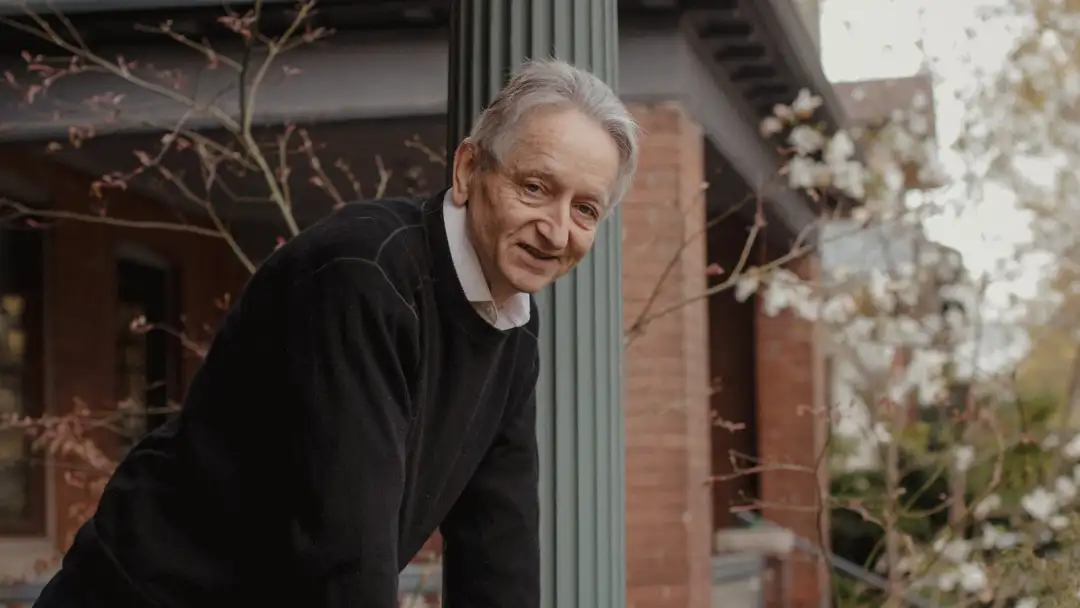
Nowadays, most of what we call artificial intelligence is based on deep learning. However, the foundation of deep learning - training through the back-propagation algorithm - was proposed by Hinton as early as 1986. However, because his research direction was marginalized, this achievement was not recognized until 26 years later - in 2012, the deep convolutional neural network AlexNet proposed by Hinton won the ImageNet image recognition challenge, and deep learning ushered in a major breakthrough.
**It is very similar to the DOGE action. If the government had not cut investment so decisively at the time, which in turn affected the attitude of the scientific research community, artificial intelligence might have already ushered in an explosive breakthrough.**This may also be one of the reasons why Hinton is so opposed to Musk.
"Science has no borders and benefits all mankind" is the call made by the Chinese government in the "International Science and Technology Cooperation Initiative" in 2023. We have been practicing this for many years. For example, when Hinton faced difficulties in the UK, he went to work in universities in the United States and Canada to continue his research. Unfortunately, the DOGE department did not agree with this. They introduced a series of policies to cut research funding to foreign countries, especially China. For example, the NIH was required to cancel medical research subsidies of US17˙millionandUS135,000 to Peking University and China Medical University respectively. Because officials believe thatInstead of funding research in other countries, American taxpayer dollars should be reallocated to domestic institutions.
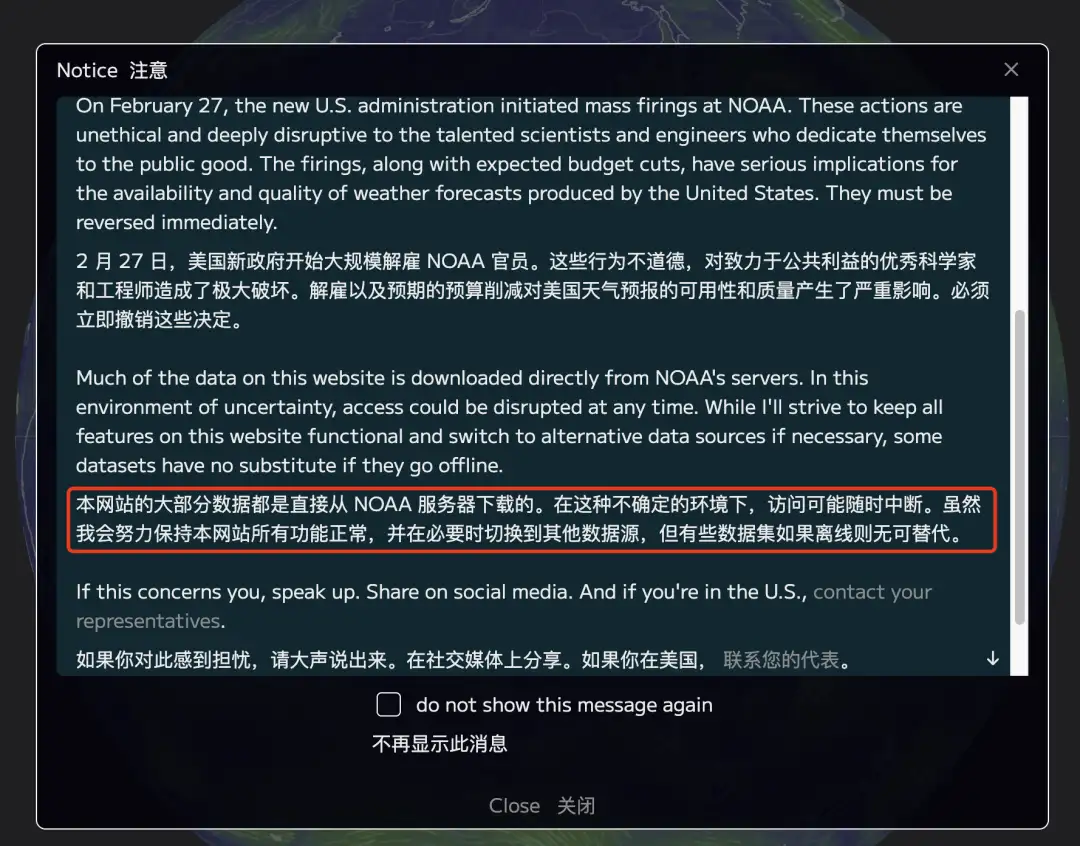
At the same time, due to a series of restrictions imposed by the DOGE department on agencies such as the National Oceanic and Atmospheric Administration (NOAA) and the Centers for Disease Control and Prevention (CDC),**Some key data sets will no longer be open to the public.**At a time when AI is developing rapidly, these measures will seriously hinder scientific research progress and technological innovation.
*NOAA includes the National Weather Service (NWS) and its vast observing system, which provides free data to commercial weather forecasting companies.
Musk's "My Own Way"
"Even if there are thousands of people, I will go ahead." Even in the face of resistance from many people, Musk still "goes his own way". This maverick style has made him the focus, but it has also aroused many doubts.
Musk owns many companies, including artificial intelligence company xAI, electric car manufacturer Tesla, rocket launch company SpaceX, brain-computer interface company Neuralink, etc. As he gets deeply involved in government agencies, the outside world can't help but worry: Will xAI have an unfair advantage in the competition in the AI industry because it has a large amount of government data? Is there a potential interest relationship between the AI tools used by the government and xAI? And will Musk use his power to "give the green light" to Neuralink and reduce the pressure of its ethical review?
In response to these questions, Musk simply asserted: "If there is a conflict, I will avoid it." However, such a statement does not seem to completely eliminate public doubts, but instead makes more people begin to examine the boundary relationship between this technology giant and the government.
References:
1.https://www.foxnews.com/politics/1300-coffee-cups-8000-overpay-soap-dispensers-show-waste-doge-locks-pentagon-elon-musk
2.https://www.washingtonpost.com/nation/2025/02/06/elon-musk-doge-ai-department-education/
3.https://edition.cnn.com/2025/03/04/tech/doge-ai-government-cuts-expert-concerns/index.html
4.https://edition.cnn.com/2025/03/01/world/doge-analysis-musk-usaid-intl-latam/index.html
5.https://mp.weixin.qq.com/s/Hq-zokCj-f-hy6lQ3QweAA
6.https://www.theatlantic.com/ideas/archive/2025/02/nih-nsf-science-doge/681645/
7.https://www.rdworldonline.com/nsf-layoffs-in-2025-deep-budget-cuts-headed-for-u-s-research-sector/?utm_source=chatgpt.com
8.https://www.theguardian.com/us-news