Command Palette
Search for a command to run...
AI Weekly Report: NVIDIA's Latest Language Model/Ovis 2.5 Technical Report... A Quick Look at the Latest Advances in Large Model Architecture Optimization/3D Modeling/Alignment and Self-Verification

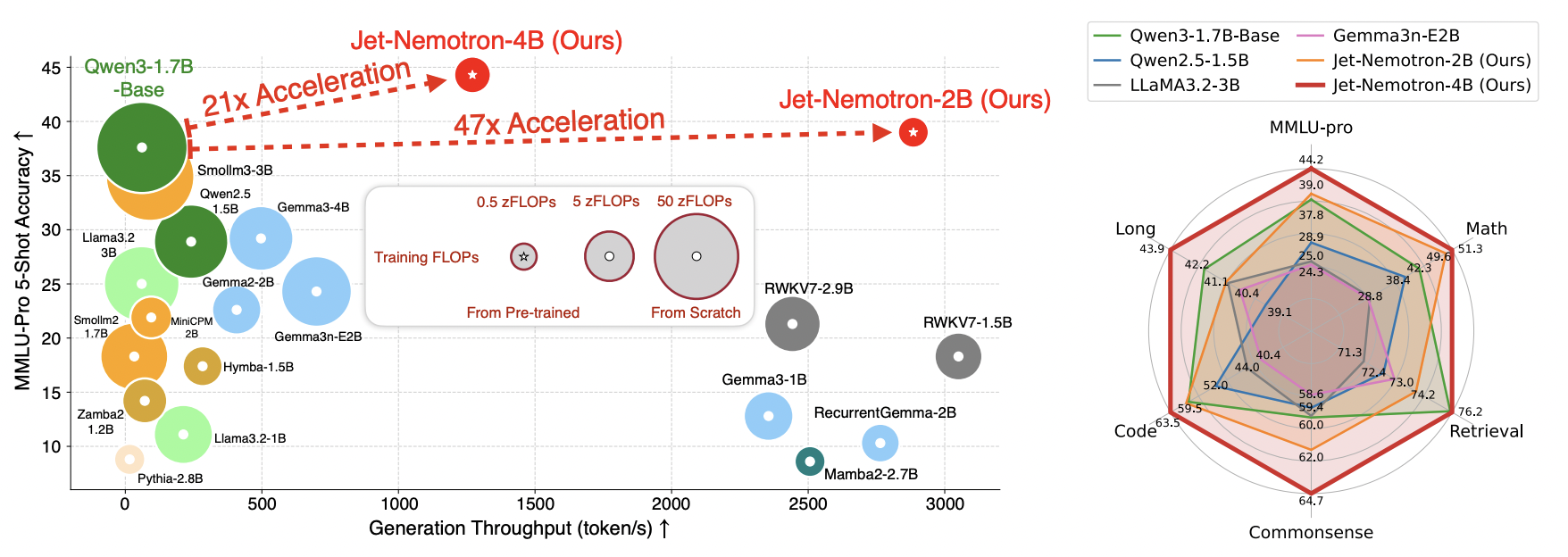
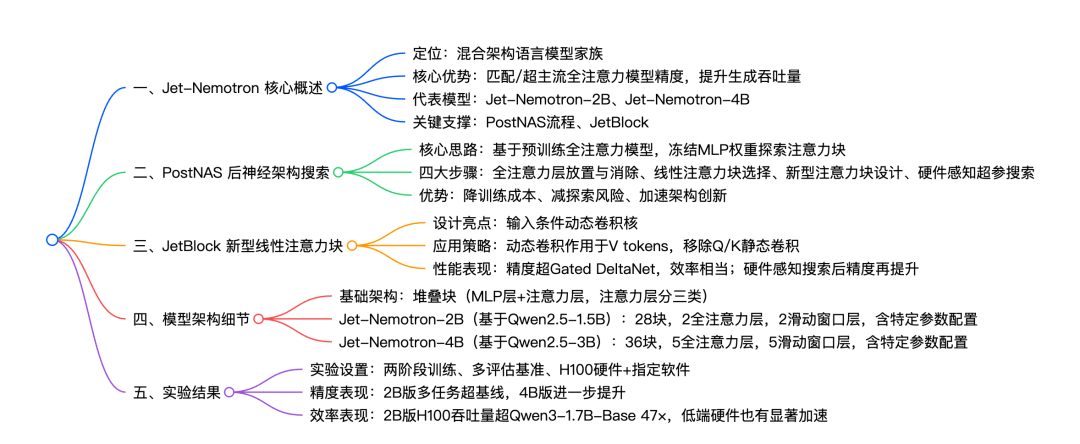
With the rapid development of large-scale language models, full-attention mechanisms have demonstrated impressive accuracy. However, their O(n²) computational complexity leads to significant memory and computing power consumption for long-context tasks, limiting their efficient application. Existing architectures often rely on training from scratch, which is costly and unsuitable for small and medium-sized research institutions. Hybrid architectures, while balancing accuracy and efficiency, still face design complexity and hardware adaptation challenges.
To address these challenges, the research team proposed Jet-Nemotron, which uses Post-Neural Architecture Search (PostNAS) to freeze the MLP weights on a pre-trained full-attention model, explore the optimal attention module design, and significantly improve the generation throughput while maintaining or exceeding the accuracy of the full-attention model, providing a feasible path for efficient language model design.
Paper link:https://go.hyper.ai/8MhfF
Latest AI Papers:https://go.hyper.ai/hzChC
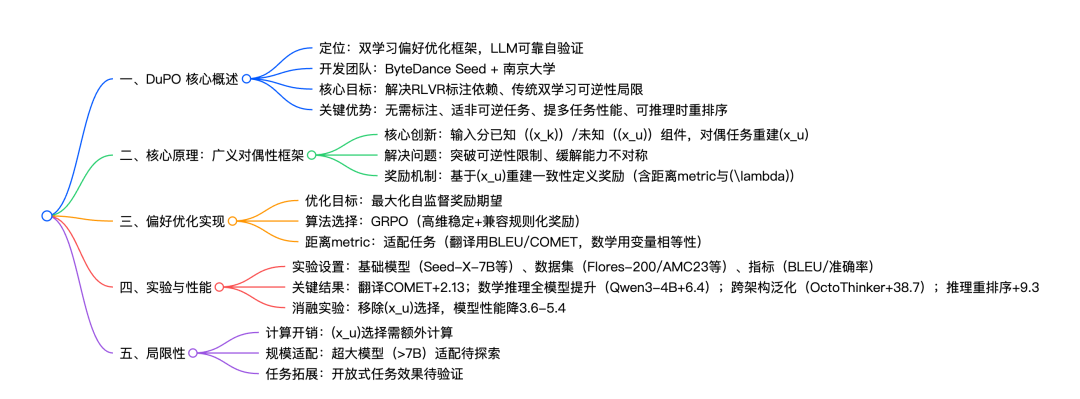
In order to let more users know the latest developments in the field of artificial intelligence in academia, HyperAI's official website (hyper.ai) has now launched a "Latest Papers" section, which updates cutting-edge AI research papers every day.Here are 5 popular AI papers we recommendAt the same time, we have also summarized the mind map of the paper structure for everyone. Let’s take a quick look at this week’s AI cutting-edge achievements⬇️
This week's paper recommendation
1. Jet-Nemotron: Efficient Language Model with Post Neural Architecture Search
This paper presents Jet-Nemotron, a family of novel hybrid-architecture language models that significantly improves generation throughput while maintaining or exceeding the accuracy of leading full-attention models. Jet-Nemotron was developed using a novel neural architecture exploration process called "Post-Neural Architecture Search," which enables efficient model design. Unlike traditional approaches, PostNAS starts with a pre-trained full-attention model and freezes its multi-layer perceptron weights, enabling efficient exploration of attention module structures.
Paper link:https://go.hyper.ai/8MhfF
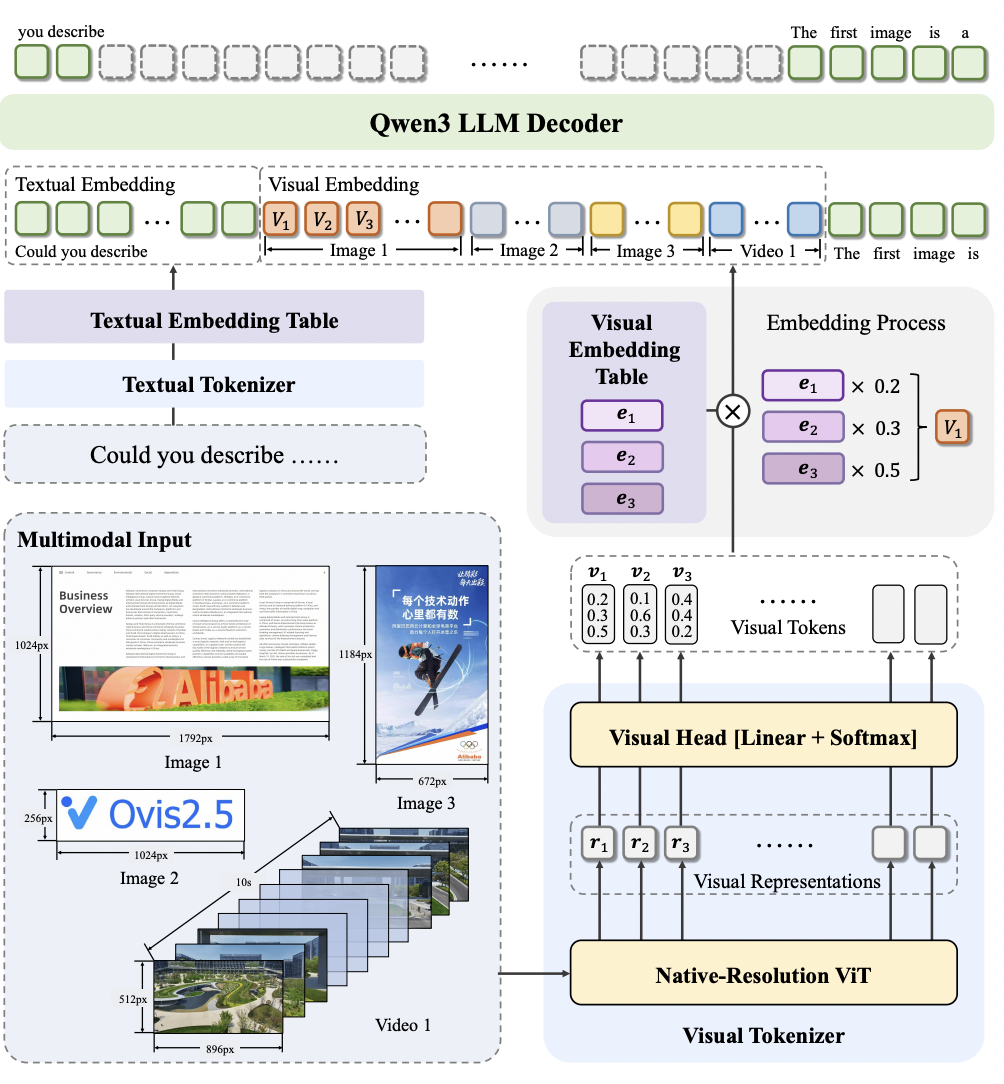
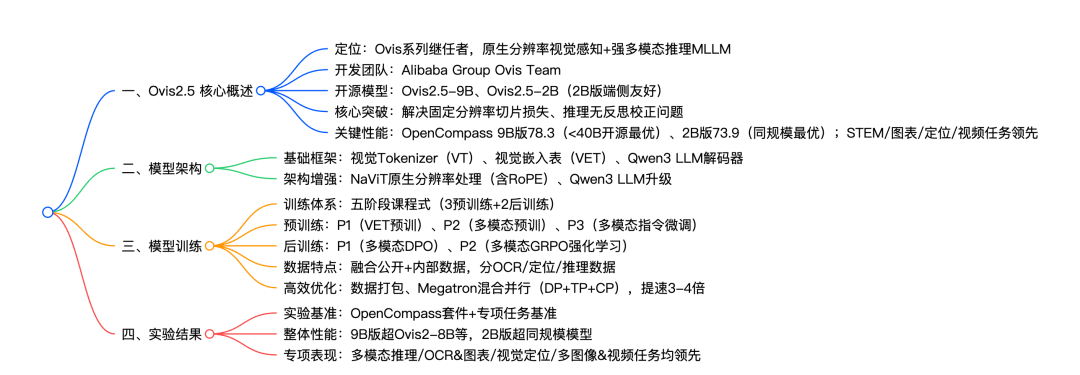
This paper presents Ovis2.5, designed for native-resolution visual perception and powerful multimodal reasoning. Ovis2.5 integrates a native-resolution visual transformer that processes images directly at their native, variable resolution, avoiding the quality degradation associated with fixed-resolution segmentation while fully preserving fine details and global layout.
Paper link:https://go.hyper.ai/nZOmk
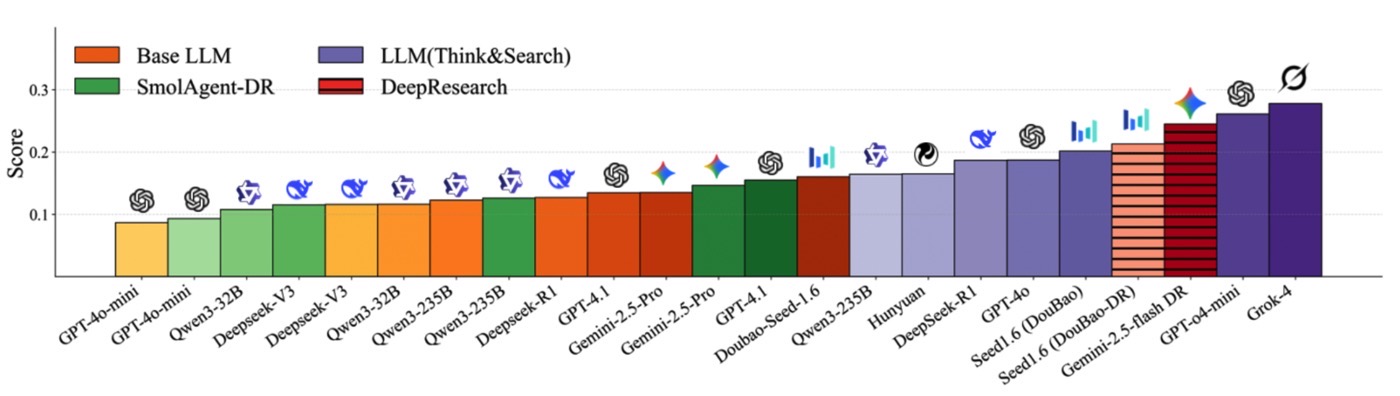
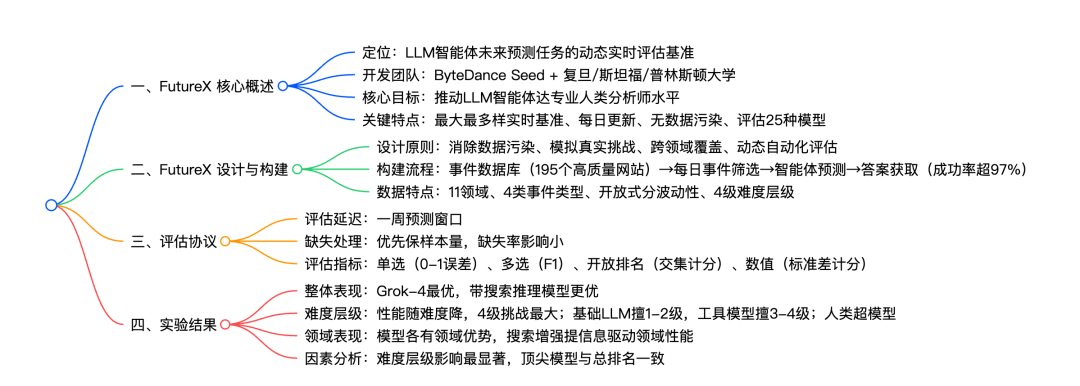
Future prediction requires agents to possess complex reasoning and dynamic adaptability, a complex task for large language model agents. Currently, there is a lack of large-scale benchmarks that can update in real time and accurately evaluate their prediction performance. This paper proposes FutureX, a dynamic, real-time evaluation benchmark specifically designed for future prediction tasks for LLM agents. FutureX is the largest and most diverse real-time prediction evaluation framework to date. It supports daily real-time updates and uses automated processes for question and answer collection, effectively eliminating data contamination.
Paper link:https://go.hyper.ai/rjbaU
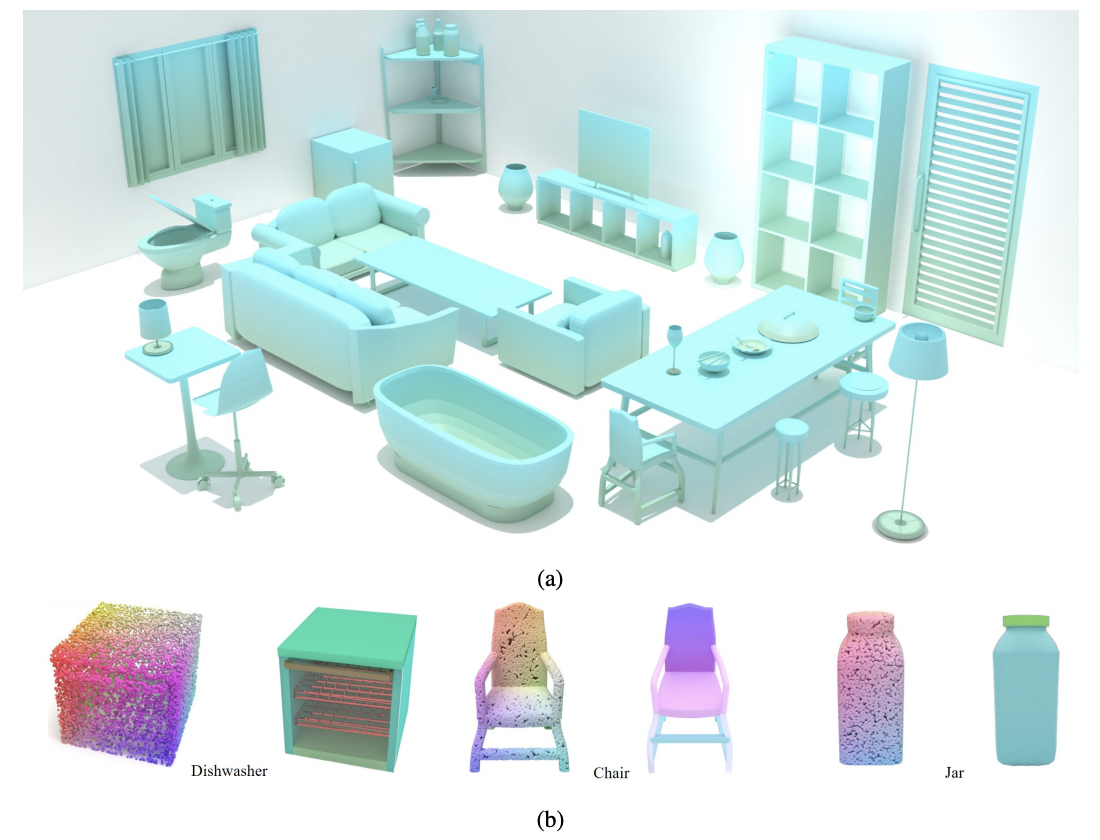
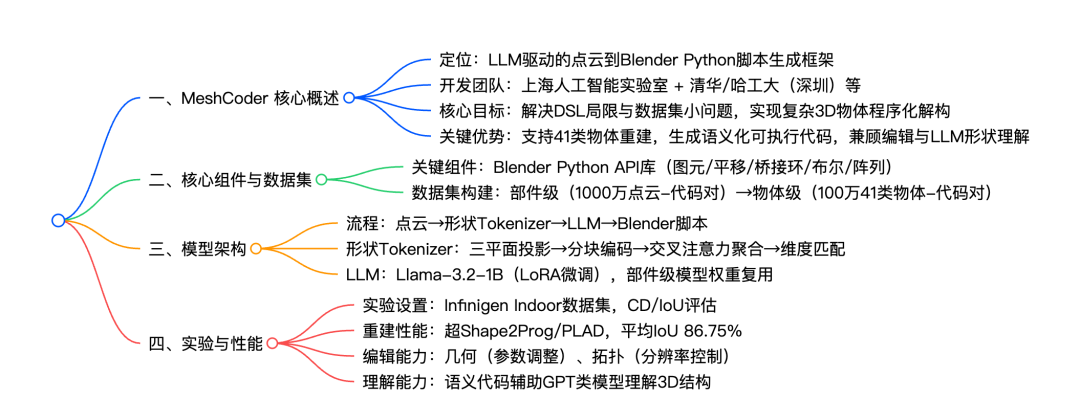
Reconstructing 3D objects into editable programs is crucial for applications such as reverse engineering and shape editing, but existing methods still have many limitations. This paper proposes MeshCoder, a new framework that reconstructs complex 3D objects from point clouds into editable Blender Python scripts. By developing a rich API, building a large-scale object-code dataset, and training a multimodal large language model, it achieves high-precision shape-to-code conversion. This not only improves 3D reconstruction performance but also supports intuitive geometry and topology editing, enhancing the reasoning capabilities of LLM for 3D shape understanding.
Paper link:https://go.hyper.ai/EAWIn
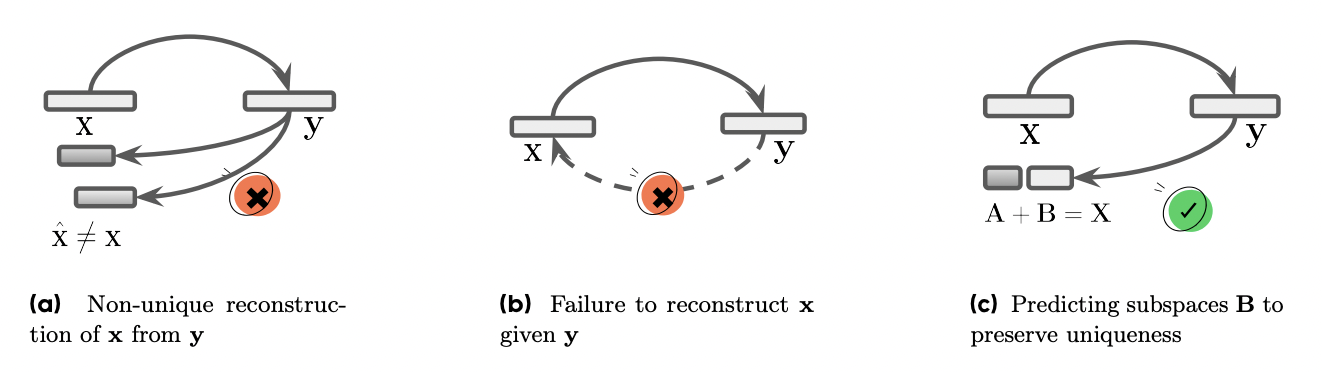
This paper proposes DuPO, a dual-learning-based preference optimization framework that generates unlabeled feedback via generalized duality. DuPO addresses two key limitations: first, reinforcement learning with verifiable rewards (RLVR) relies on expensive annotations and is only applicable to verifiable tasks; second, traditional dual learning is limited to strictly dual task pairs (e.g., translation and back-translation).
Paper link:https://go.hyper.ai/2Gycl
We also welcome research teams to submit high-quality results and papers to us. Those interested can add the NeuroStar WeChat (WeChat ID: Hyperai01).
See you next week!