Command Palette
Search for a command to run...
Artificial Intelligence Enters the Catering Industry: AI Cocktails Make You Tastier the More You Drink
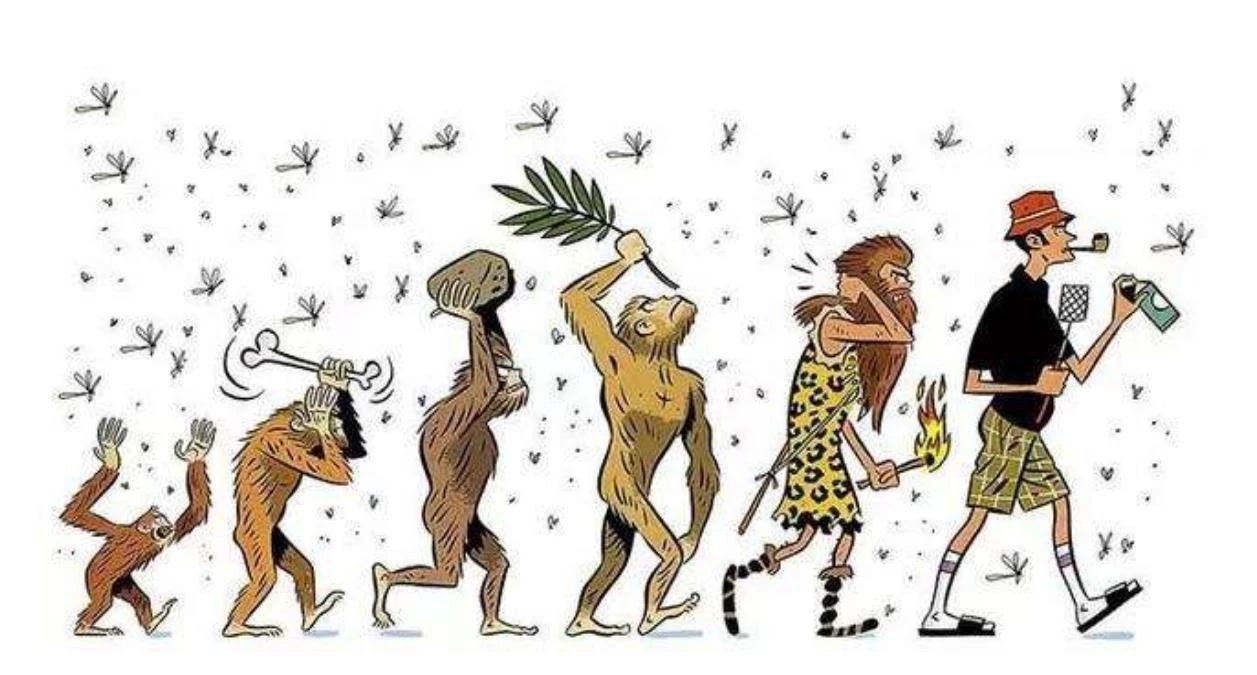
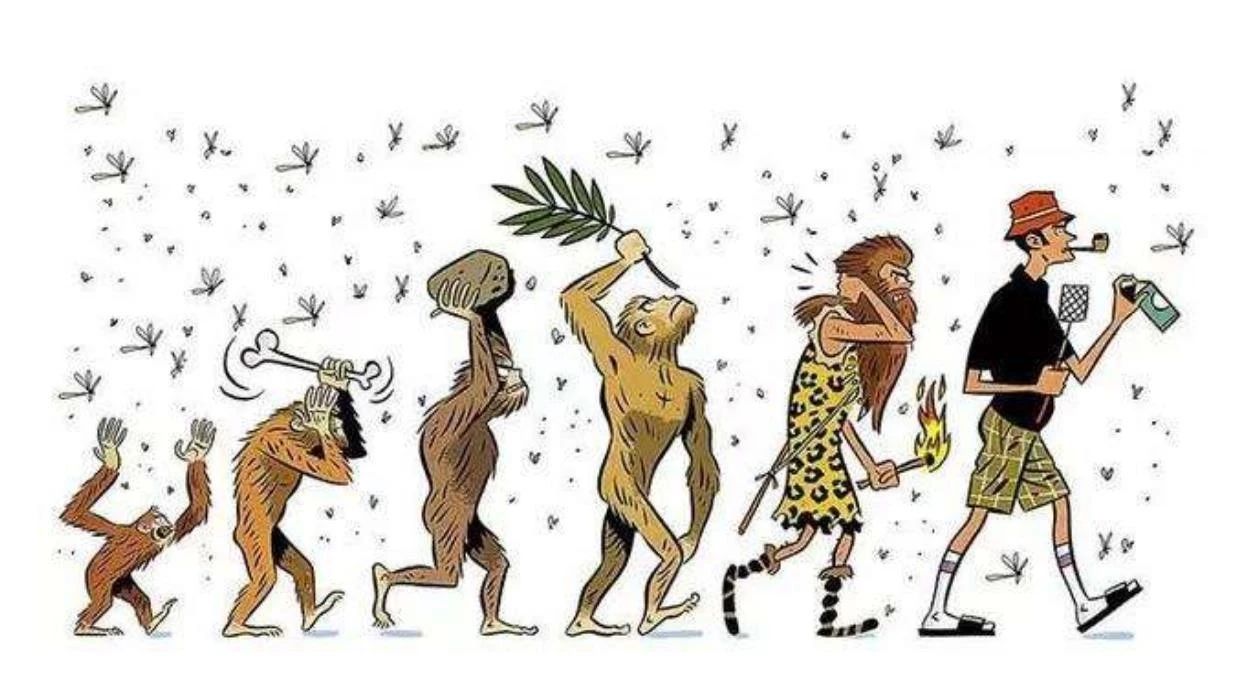
"Eating" has now become a culture, and the unremitting pursuit of food can be said to be a driving force in human history. From the evolution of cooking to the current variety of cuisines, what new ideas will appear in food pairings, and the blind obedience to food incompatibility also indicates that new methods and techniques will be put to good use.
Food and cooking are of great significance to the development of human civilization. From eating cooked food and cultivating crops to adding seasonings, enriching cooking methods, inventing refrigeration, etc., a series of inventions of eating tools and methods are all for improving living standards.
The book "The History of Food", a book on food culture, discusses the first revolution in food, which led to a major evolution of mankind. One of the important nodes was the emergence of cooking. The book describes such a scene of eating: squeeze lemon juice on the oysters, and then bake them over a low fire, and its texture, taste and flavor will undergo a wonderful change...
The road to advanced food starts with pairing
As the content of "eating" becomes more and more sophisticated, humans who are full begin to think about such questions:What foods can be eaten together? What foods taste better together?
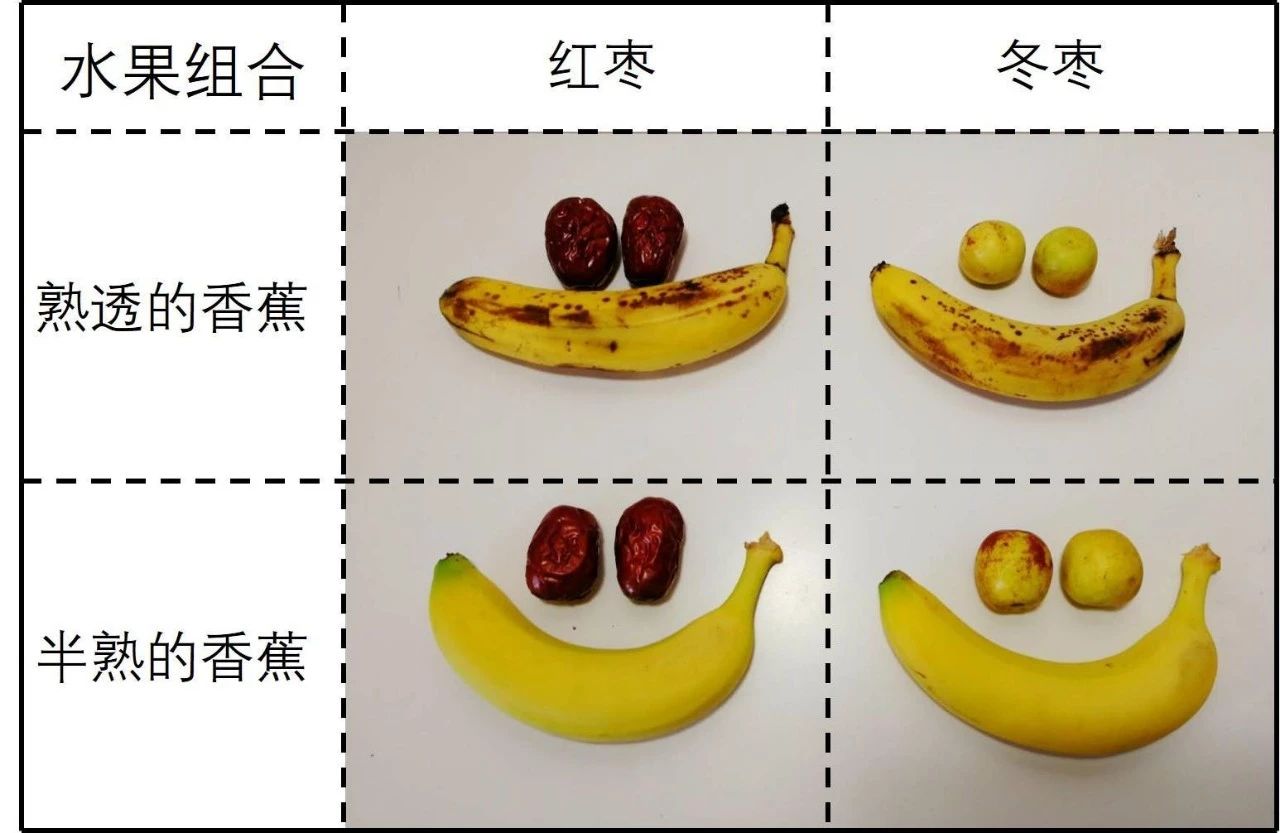
The good news is that we now have new options:You can use neural network methods to make combinations and tell you what tastes best.
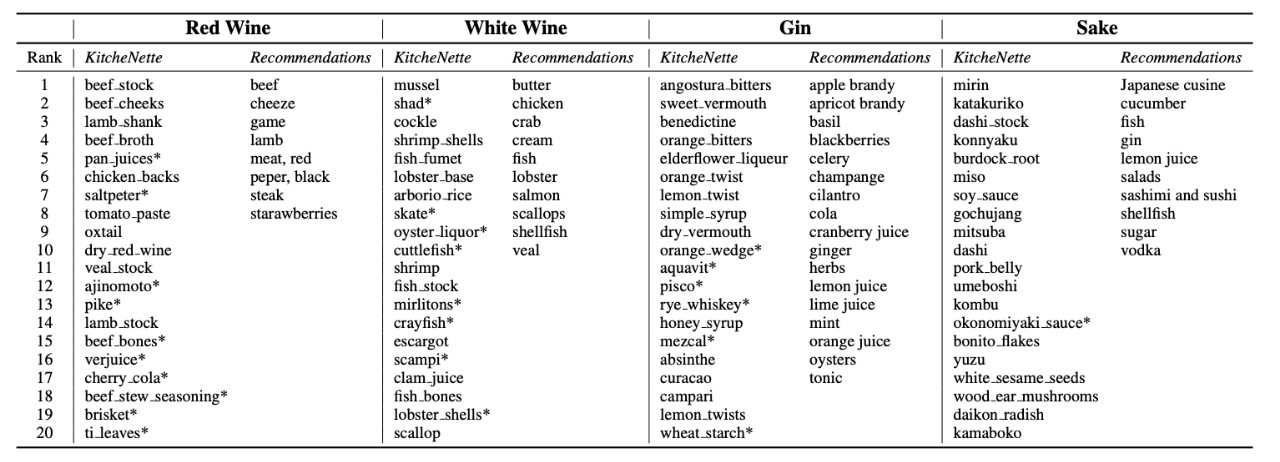
Recently, an article called***"KitcheNette: Predicting and Recommending Food Ingredient Pairings using Siamese Neural Networks" (****https://arxiv.org/abs/1905\.07261\)***The paper describes the intelligent food matching system of the Korea University experimental team and their hardcore research on food matching.
**KitchenNette:**Unlocking the mysteries of food pairing with algorithms
This system is based onSiamese Neural NetworksA model framework.
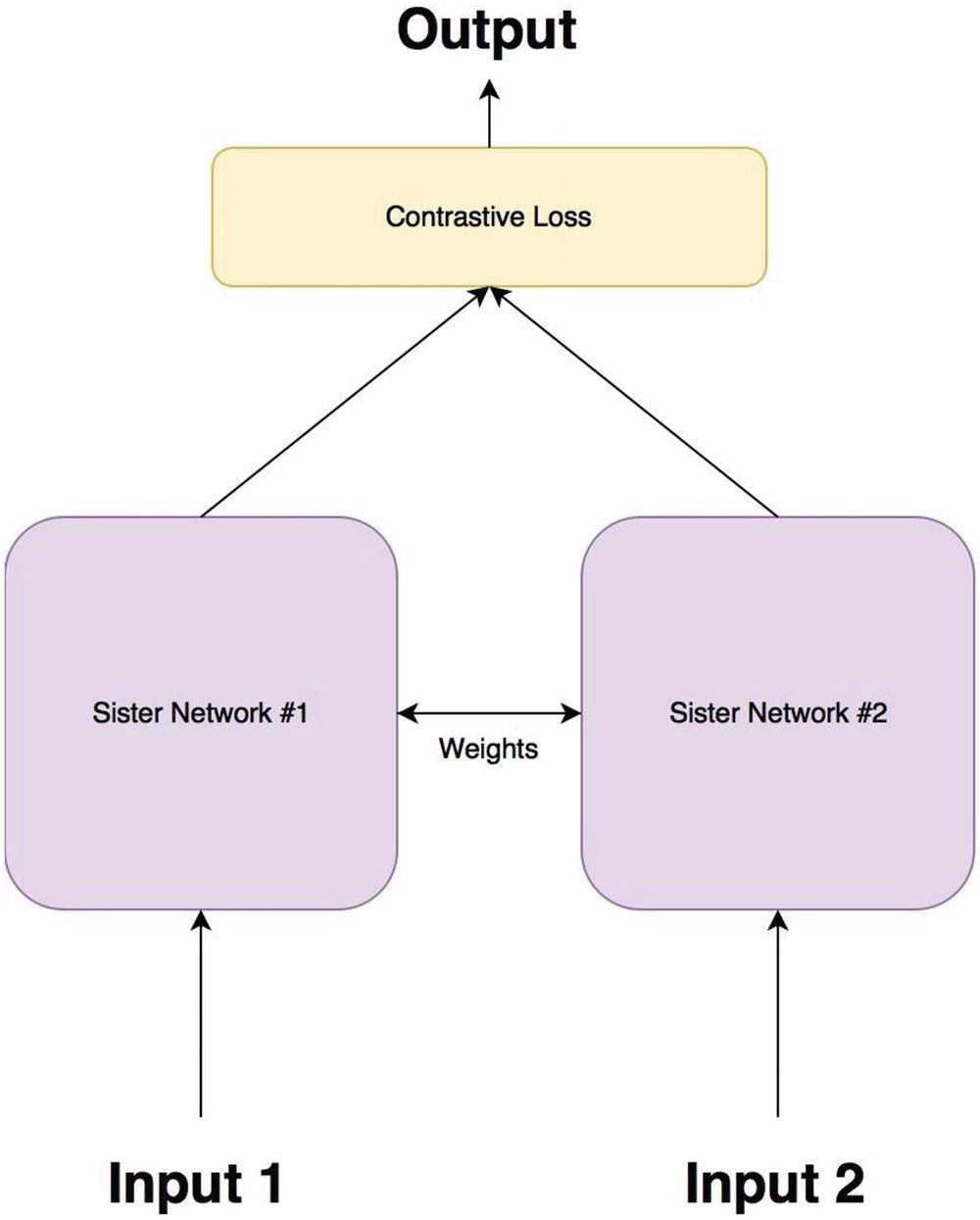 The twin neural network is used to measure the similarity between two inputs. It has two inputs, which are transmitted into two neural networks respectively, so as to map the inputs to a new space and form a representation in the new space. Then, the similarity between the two inputs is evaluated by calculating the loss.
In this study, researchers developed a food pairing modelKitchenNette, taking two ingredients as input, it can calculate how suitable they are to be paired together. The final expression is a score between -1 and 1, and the higher the score, the better the combination of the two foods.
To train KitchenNette, they created a food dataset called Recipe1M, which collected a large amount of recipe information, including text and pictures of a variety of foods, including ingredient lists and recipe instructions.
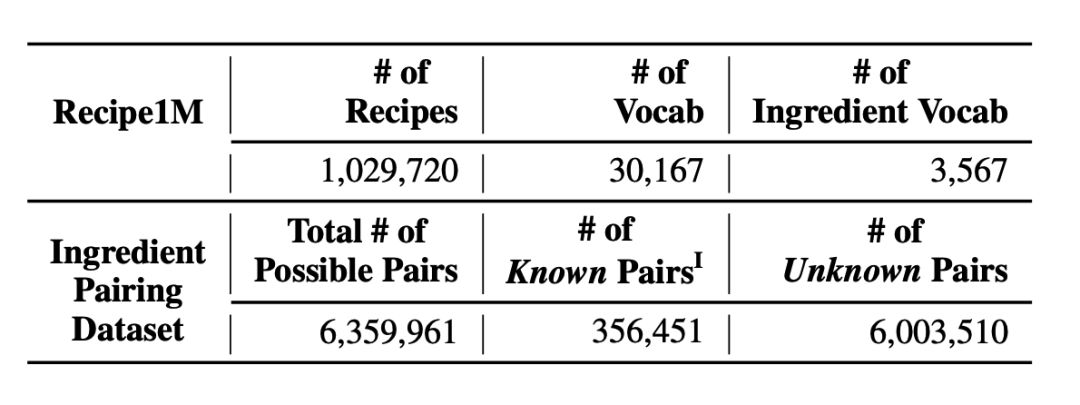
They also useIm2Recipe Algorithm to extract the names of ingredients from images.
The architecture of the KitchenNette model consists of two main components.
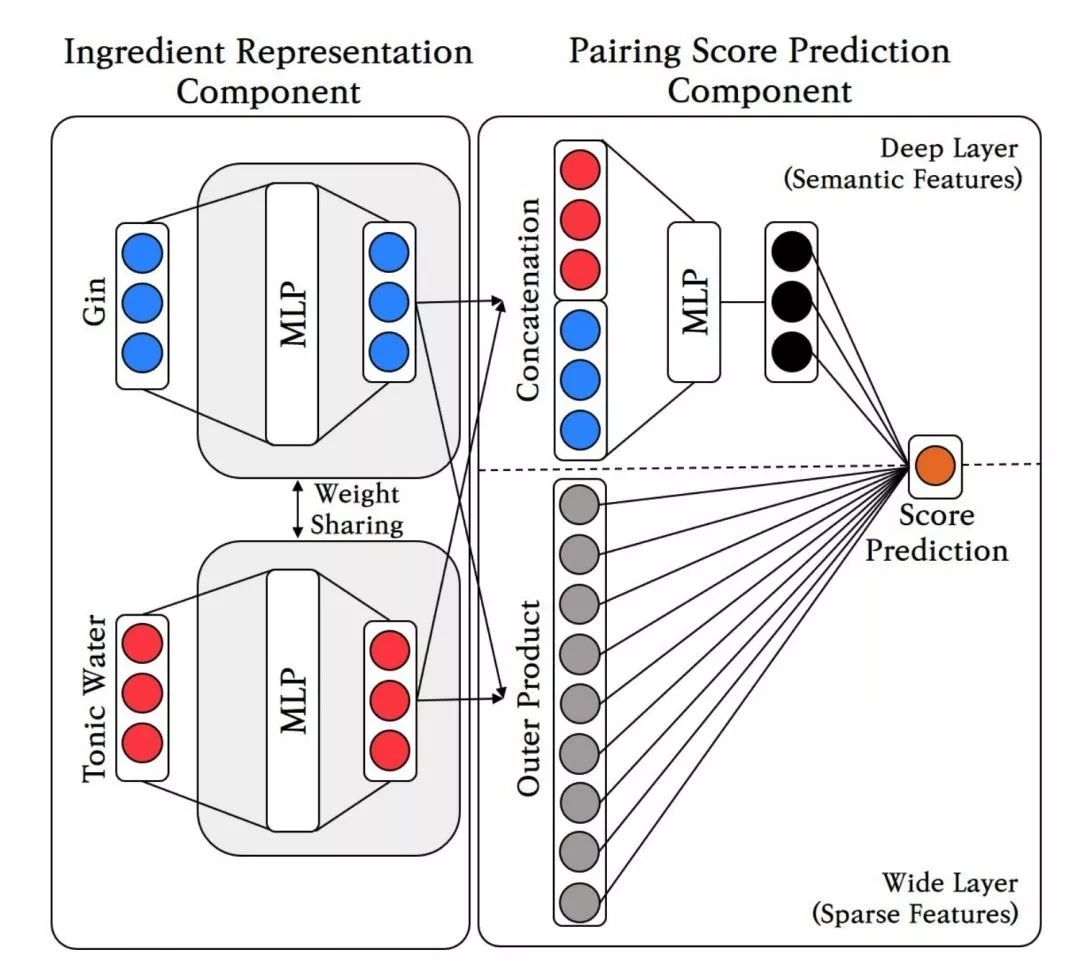
The second component is 「****Pairing Score Prediction Component,Deep& Wide Layers are used for the scoring process.,In the Deep Layer, the two layers of learned representation vectors are,concatenated and passed to another MLP that computes the joint representation,of the two components to extract semantic features, while the Wide Layer is used to,capture sparse features.
After building the model,First, let the model learn the labeled food combinations, analyze and find the rules of "good combinations" from the 300,000 already scored pairs, and then use the remaining 95% food combinations for the final test..
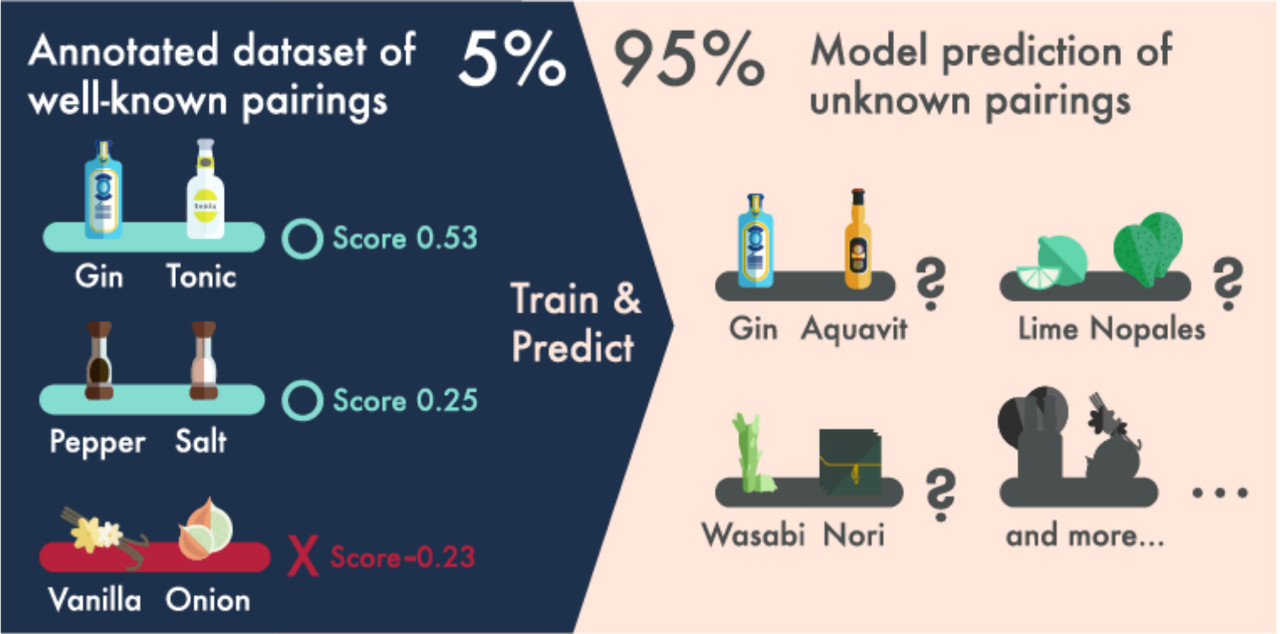
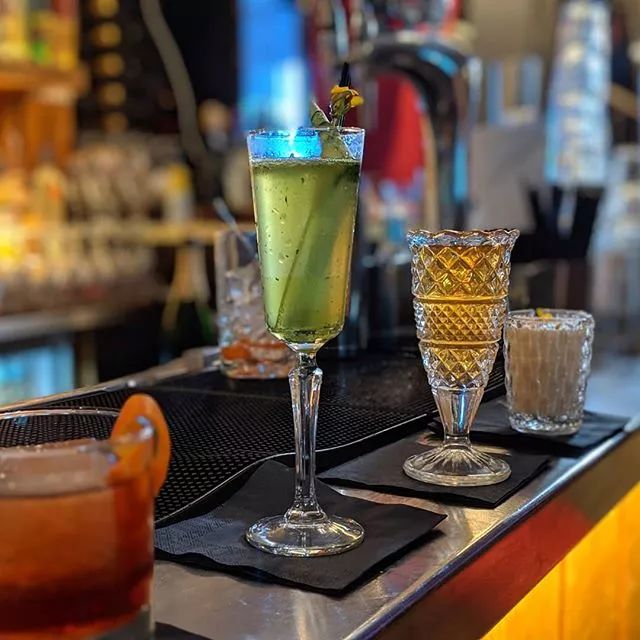
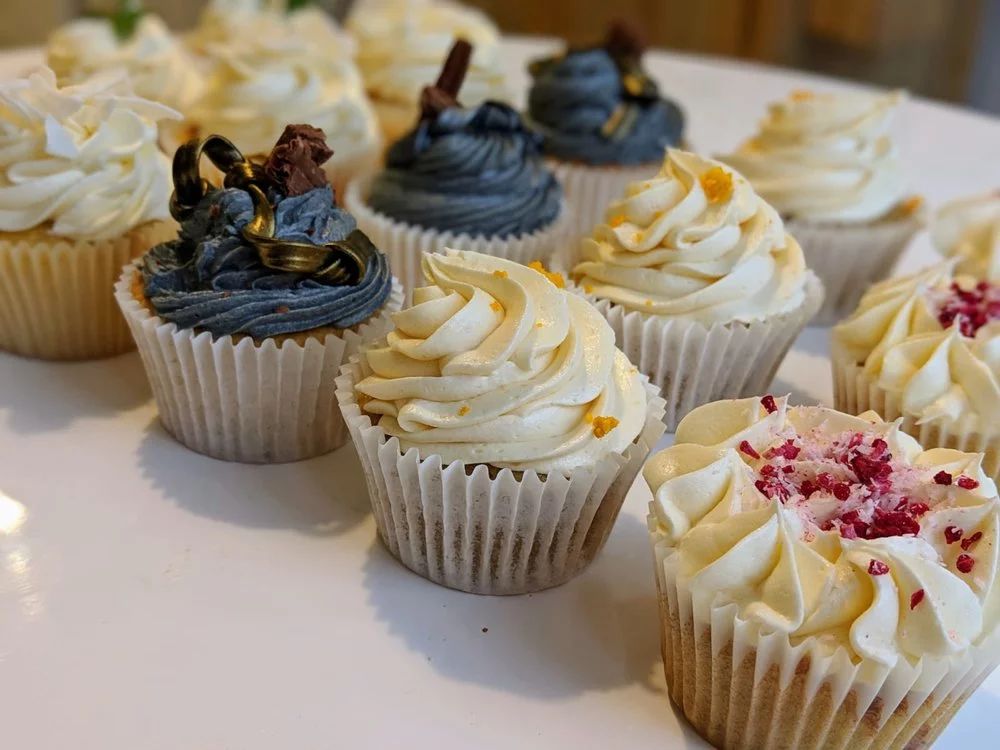
Cocktails and pastries are the best pairing for models!
To assess the accuracy of the model's predictions, they performed several qualitative analyses.
By inputting known classic combinations, we tested whether the model could give fair scores. By comparing it with other classic models, we found that KitchenNette's predictions were more in line with people's eating habits. Finally, after comparing it with the recommendations of gourmets, we found that the results were very close.
Especially for alcoholic beverages and pastries, they have standardized recipe ingredients and can control the taste more accurately.
for example,Champagne + orange peelas well as Sparkling wine + orange peelThe matching scores of Sparkling wine + onionand 「Prosecco + Onion」Such a strange combination received a very low score.
 --over--