Command Palette
Search for a command to run...
Marine Pollution Is a Global Emergency: AI May Be the Last Line of Defense
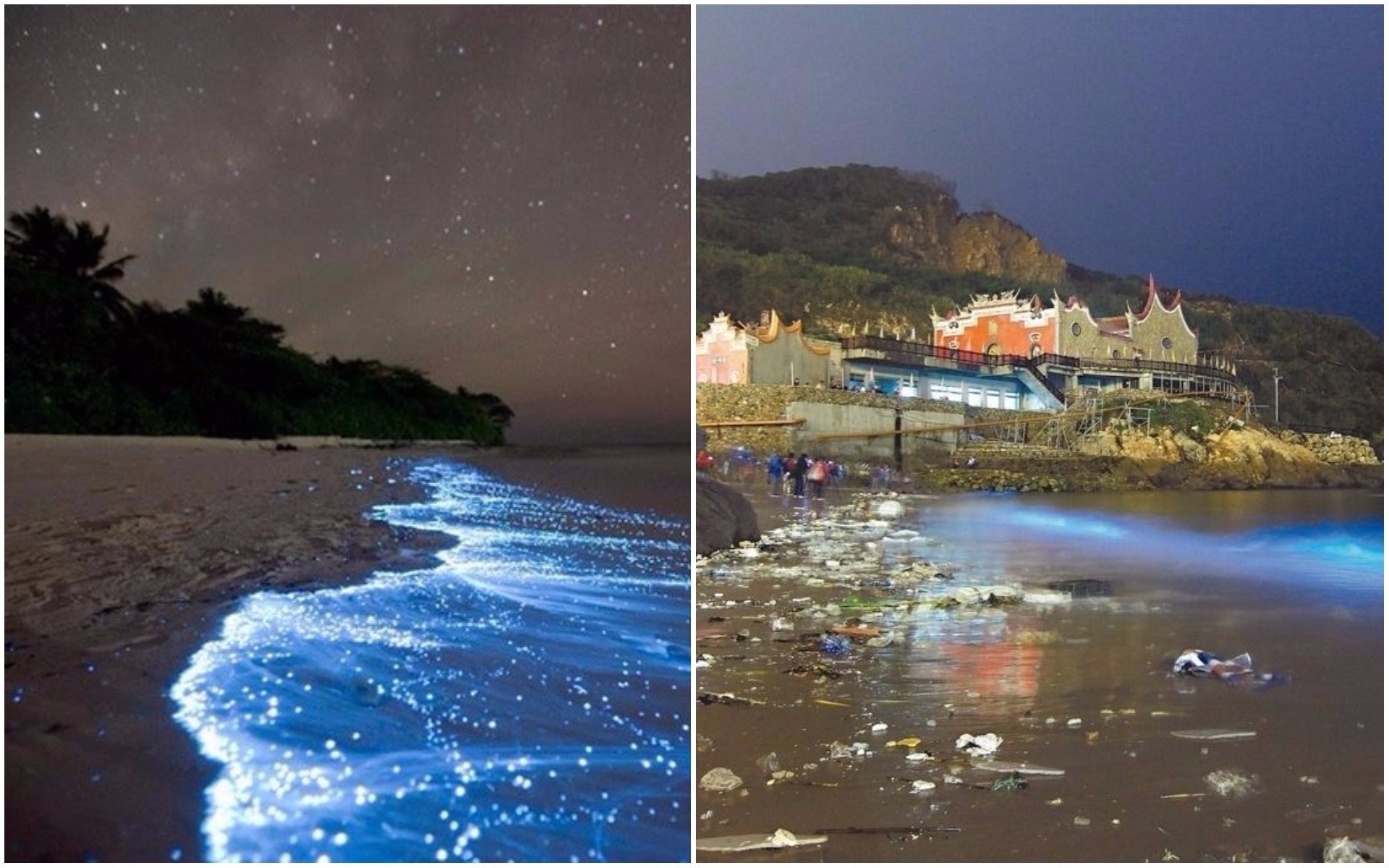
Human waste drifts into the sea intentionally or unintentionally, and many types of plastics cannot be decomposed, seriously threatening fish, seabirds, marine reptiles, marine mammals, as well as ships and coastal settlements. In recent years, the problem has become increasingly serious, and some companies have begun to use artificial intelligence technology to analyze and clean up huge amounts of marine debris.
The blue planet Earth is being swallowed by white garbage.
We often say that the sea embraces all rivers, but in fact, the ocean, the most tolerant place on earth, is experiencing pain that it cannot bear. Huge amounts of marine debris, especiallyPlastic waste, leaving the blue ocean devastated.

**Plastic in the ocean has become a terrifying killer in the ocean.**Large numbers of marine life can become entangled in plastic, causing pain, starvation, suffocation, and even death.

The increasingly serious plastic pollution makes the ocean cry
According to data released by the United Nations,**Every year, 13 million tons of plastic flow into the ocean, and 1 million seabirds and 100,000 marine mammals die from plastic pollution.**Of the plastics that flow into the ocean, some will be carried ashore, but much more will remain in the ocean, where they will be broken down into micro-fragments and then ingested by plankton. They will eventually enter the food chain and affect human health.
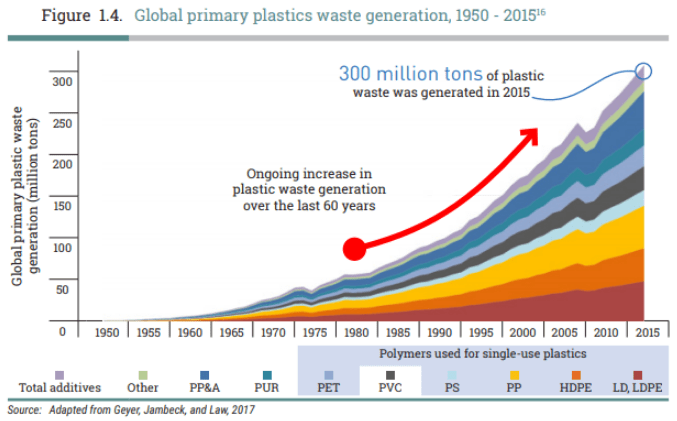
The deadly disaster of plastic waste to the ocean has also attracted more and more attention. In 2008, the United Nations announced the establishment of June 8th of each year as World Oceans Day, calling on people to pay attention to ocean issues.
Awareness and determination alone are not enough. A complex problem like plastic pollution can only be solved through comprehensive and large-scale solutions. In the era of artificial intelligence,Data and technologyIt can provide valuable insights, help us better understand the problem, and provide a technical framework to solve it.
Plastic Tide: Using drones and AI algorithms to map garbage
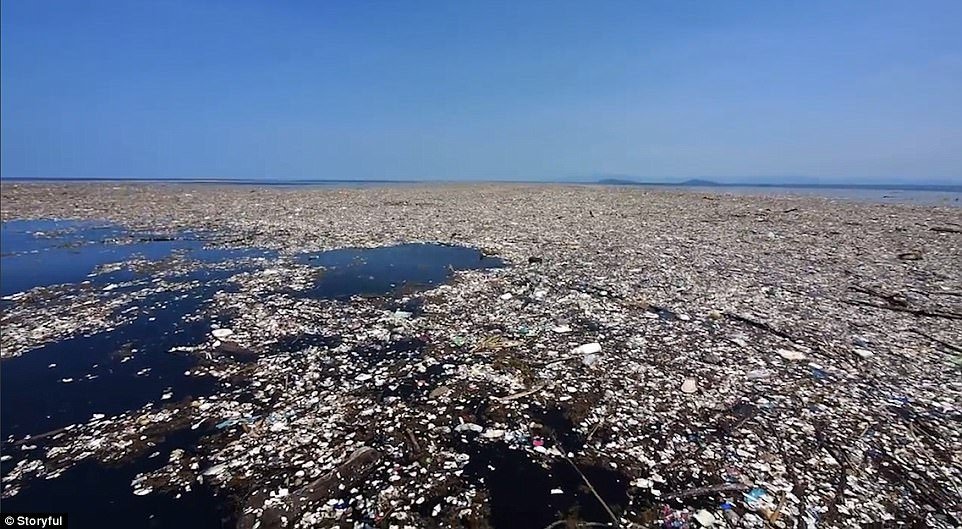
Shocking**The Great Pacific Garbage Patch (GPGP) is the largest of five marine plastic accumulation areas in the world's oceans.**It is located between Hawaii and California.
It is estimated that every year1.15 million to 2.41 million tonsPlastic enters the ocean from rivers. It is not the garbage island that humans imagine, but a whole area of plastic fragments and particles drifting in the ocean.Its area is 1.6 million square kilometers, which is comparable to that of Xinjiang, China's largest province.Professionals estimate that if only human labor is used to catch fish, it will take about79,000 years.
Plastic Tide's director Peter Kohler developed the company's vision after a 2008 South Pacific cruise.Use science and technology to help the ocean and wildlife return to nature.
The reason for this vision was that he discovered during his voyages that even when he was miles out in the ocean, he could see that the ocean around him was full of garbage and he couldn't determine the source of the garbage.
Since then, Peter Kohler has been trying to use technology to measure the scale of the marine litter problem and monitor the success of initiatives to limit plastic.
The idea is to use drone-mounted cameras to take thousands of aerial photos.These photos are then used to train AI algorithms to identify plastic waste and distinguish between shells, jellyfish, plastic bags or bottle caps.
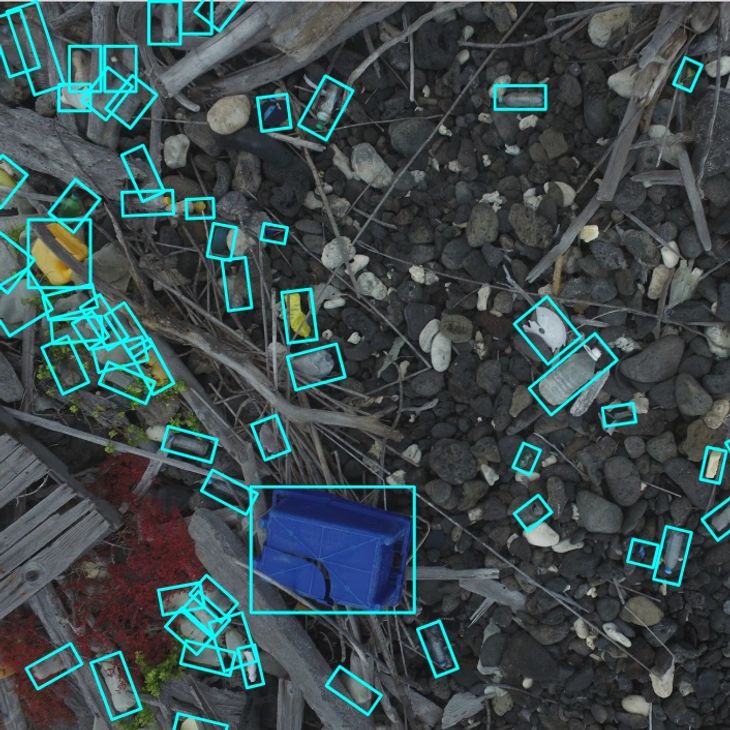
The end result of the project is an open-source map that accurately identifies the most polluted coastlines.
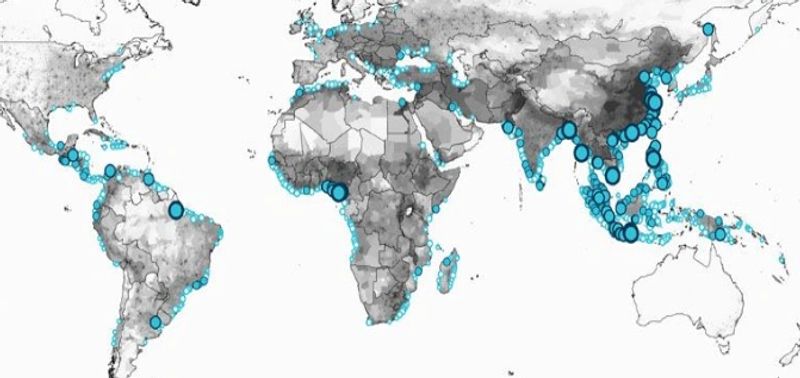
The purpose of their coastal trash maps is to allow environmental companies to target their efforts so that they can focus their attention where it is most needed.

And in the long term, Plastic Tide hopes to build a system to record the spread of plastic in closer to real time.
And the project can provide evidence to assess whether relevant environmental policies, such as banning the use of plastic bags, are having an impact.
The Ocean Cleanup: Quantifying Ocean Waste with Big Data
For GPGP, once these plastics floating on the sea surface enter the circulation, they are unlikely to leave unless they can be degraded.
To clear out this garbage,The Ocean CleanupThe company conducted a detailed sampling of the debris in this area. The sampling team included a fleet of 30 vessels, 652 ground nets, and two aircraft that flew over the area to collect aerial images of the debris.
In addition, they measured the vertical distribution of plastic six times between 2013 and 2015. To study the persistence of different plastics, the type and age of plastics were estimated based on the characteristics of plastic fragments.
Combining multiple research missions, the team compiled an unprecedented amount of data. The data and images collected from these targets were ultimately used by a team of computational modelers to build various models and computer-generated graphics. These graphics serve as visual representations of the research and tests conducted by the expedition.

May the ocean always be a blue paradise
The Earth is called the Blue Planet because of the existence of the ocean. But the proliferation of plastic waste in the ocean is turning the Earth into a plastic planet.
In recent years, more and more garbage pollution incidents have made people realize the seriousness of the problem, and more people have begun to pay attention to and reduce the generation of plastic waste. Technology companies are also actively using the power of artificial intelligence technology to accelerate the progress of garbage cleaning and reduce the damage we cause to the ocean and life as soon as possible.
No one wants to live in a garbage dump, and the same goes for marine life. May technology help them and us.
 -- over--