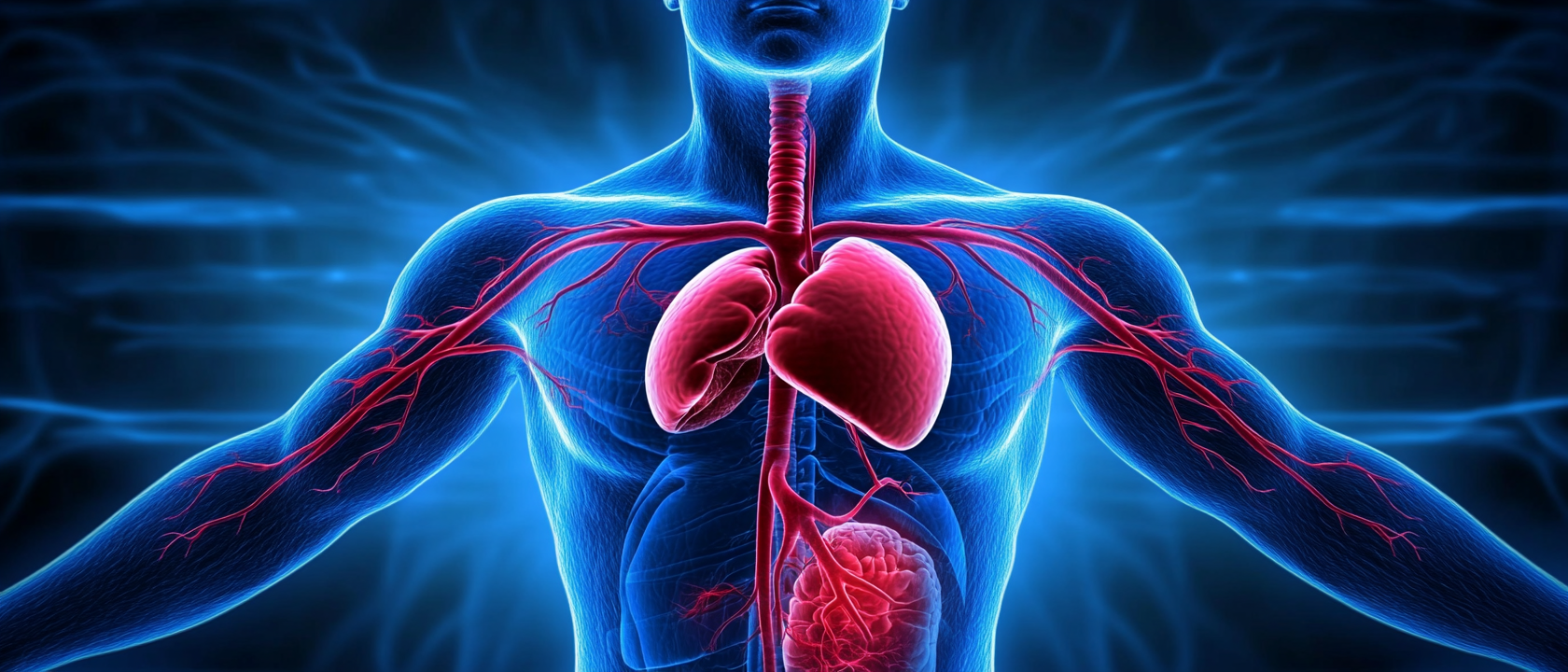
HyperAI has compiled some of the most popular medical data sets for you, covering medical question-and-answer, medical reasoning, medical imaging and other data.
Researchers from Columbia University and Stanford University proposed a generative artificial intelligence structure analysis method PXRDnet based on a diffusion model.
"In-Context Edit: Command-driven Image Generation and Editing" has been launched in the "Tutorial" section of HyperAI's official website. Only very few text commands are needed to achieve accurate image modification. Come and experience it!
David Baker's team at the University of Washington recently used advanced generative models to conduct synthetic OLG design research and verify its feasibility from an engineering perspective.
Researchers from the Russian Academy of Sciences have developed a machine learning-based search engine, MEDUSA Search, that can analyze terabyte-scale high-resolution mass spectrometry data to help discover unknown chemical reactions!
The team led by Zhou Hao from Tsinghua University AIR proposed ProfileBFN (Profile Bayesian Flow Network), which achieves efficient protein family design
A team from Waseda University in Japan used machine learning technology to perform molecular design and experimental optimization of light-driven crystals to successfully maximize the blocking force
This method uses a one-class support vector machine (one-class SVM) to analyze the characteristic differences between niacinamide and niacin in UV spectra.
The DRAKES algorithm implements for the first time differentiable reward backpropagation for fully generated trajectories in a discrete diffusion model.
HyperAI has compiled multiple material science data sets and one-click deployment tutorials, covering key areas such as quantum materials, inorganic materials, and crystal structures.
The protein engineering design platform VenusFactory achieves one-stop optimization of data retrieval/model training/benchmark evaluation, lowering the threshold for AI4S applications.
Professor Luo Xiaozhou from the Shenzhen Institute of Advanced Technology of the Chinese Academy of Sciences shared the innovative application and practice of AI in the field of enzyme engineering
The Shanghai Artificial Intelligence Laboratory and several well-known universities jointly proposed the MaMI (Modality-adaptive Medical Identifier) model with excellent performance
The University of Cambridge, together with other universities and research centers, launched the Aardvark Weather forecasting system, providing a new path for the development of future weather forecasting technology