Dr. Yuan Fajie from Westlake University shared the latest research progress and team research results of protein language model at the "AI Protein Design Summit"
A team from the University of Tokyo in Japan developed the STAIG deep learning framework, which can integrate gene expression, spatial data, and histological images without alignment.
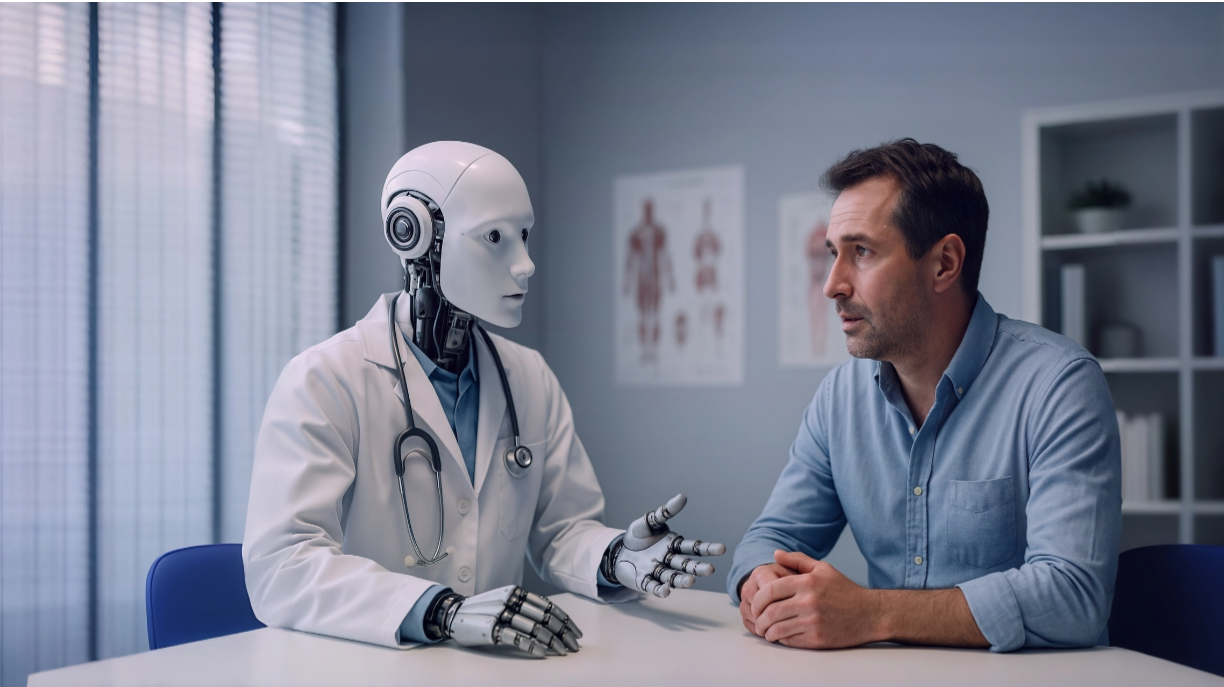
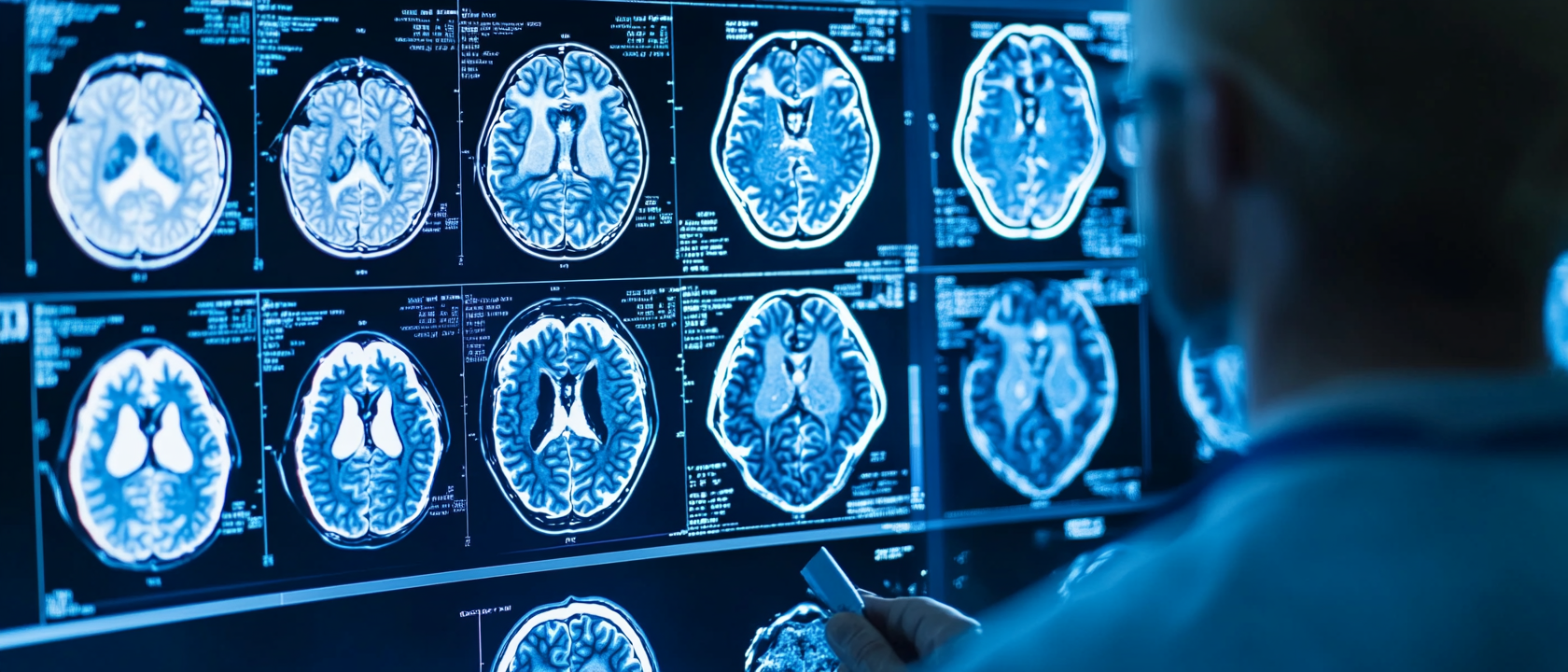
The Multi-Agent Dialogue (MAC) framework based on GPT-3.5 and GPT-4 significantly improves the diagnostic capabilities of LLMs and is expected to become an important auxiliary tool for doctors
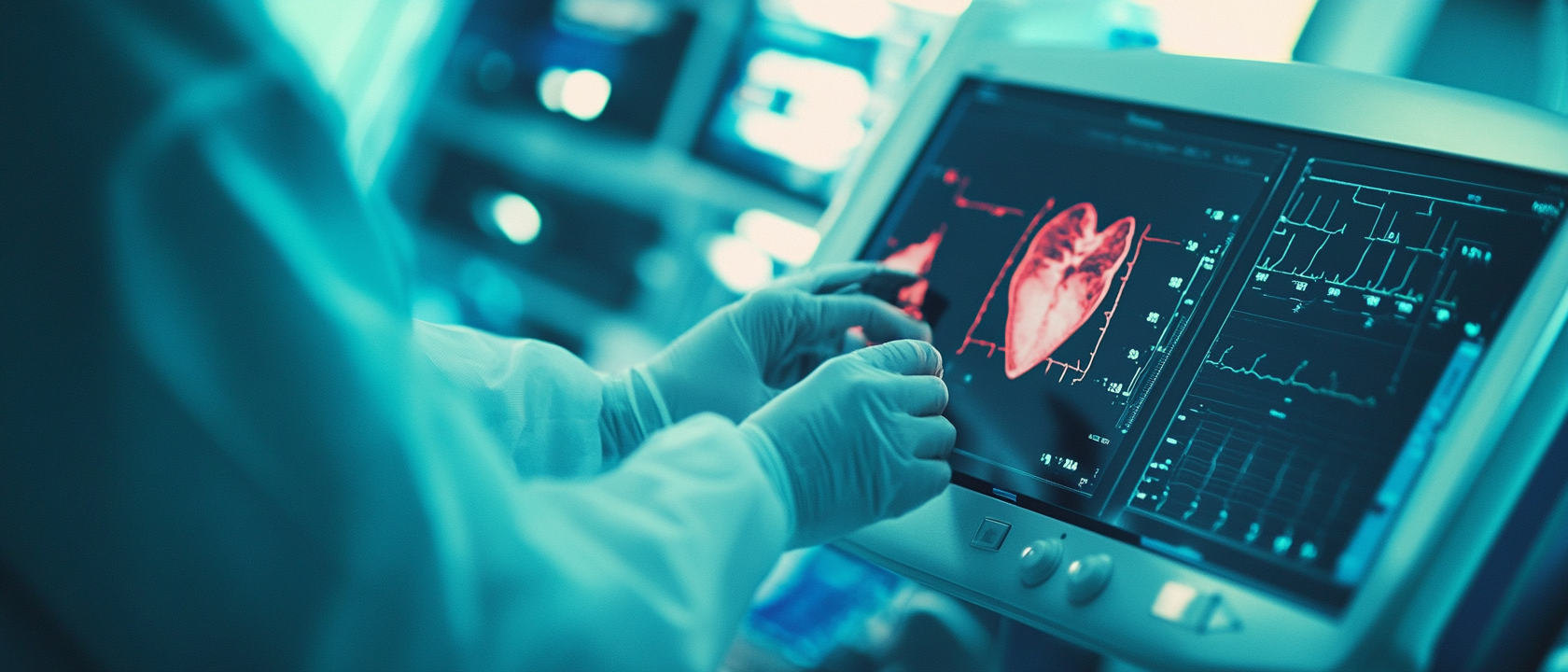
EchoONE, a unified segmentation model for multi-section echocardiography, can accurately segment the cardiac structure of multi-section echocardiography, effectively reducing the complexity of the design model
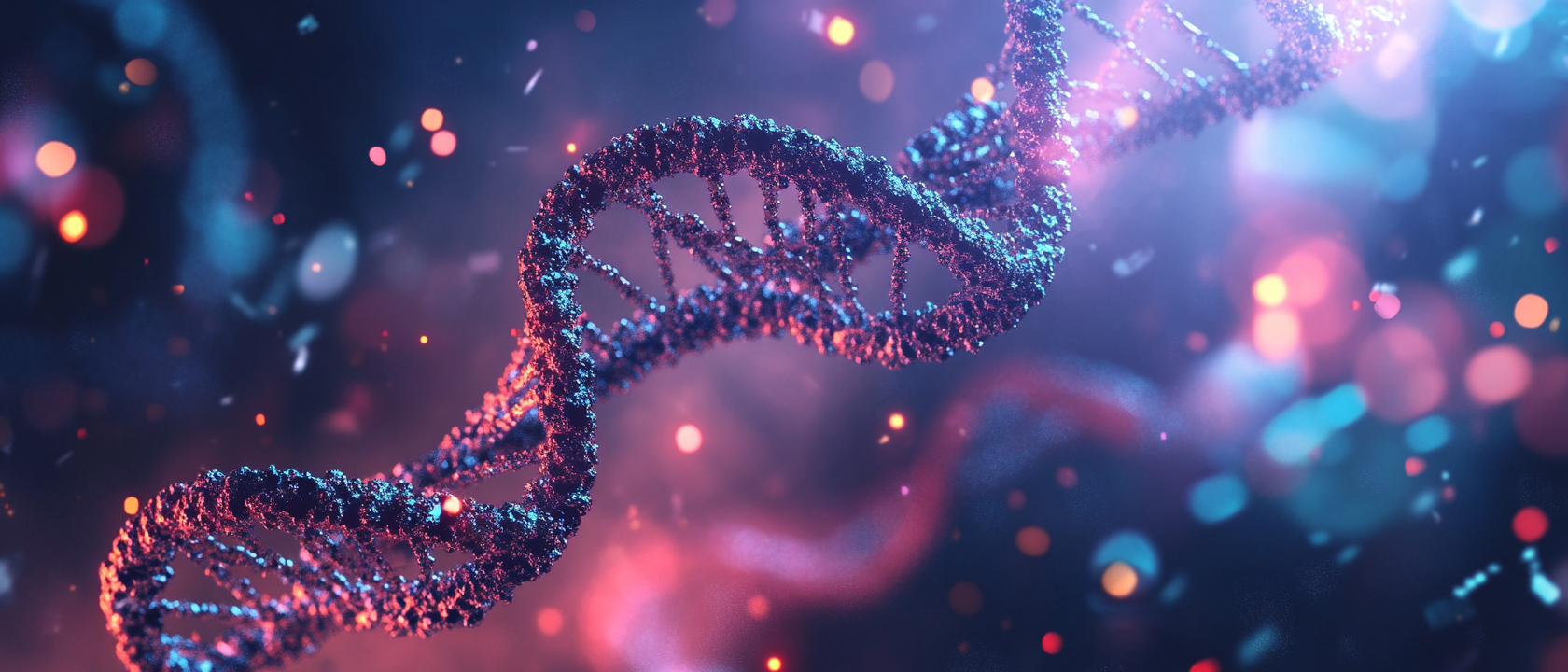
Professor Zhang Yang's team from the National University of Singapore proposed a high-precision RNA structure prediction framework DRfold2 based on deep learning, and the unsupervised contact prediction accuracy is higher than the existing methods
Professor Sheng Bin's team from Shanghai Jiao Tong University, in collaboration with several universities, has evaluated several mainstream large language models, opening up new research directions for the application of large models in the medical field.
A research team from the University of Cambridge proposed the Celcomen virtual tissue model to unlock the secrets of intracellular and intercellular gene regulation in spatial transcriptomics and single-cell data.
Laoshan Laboratory and others have developed a large-scale intelligent forecasting model for the ocean environment called "Wenhai" through the deep integration of physical oceanography and artificial intelligence, with better performance.
A joint team from Tsinghua University and other universities proposed the CoPRA model, which set a new record in protein-RNA binding affinity prediction capabilities.
Tsinghua University and the Chinese Academy of Sciences team proposed the UniGEM model, which for the first time achieved collaborative enhancement of two tasks based on a diffusion model.
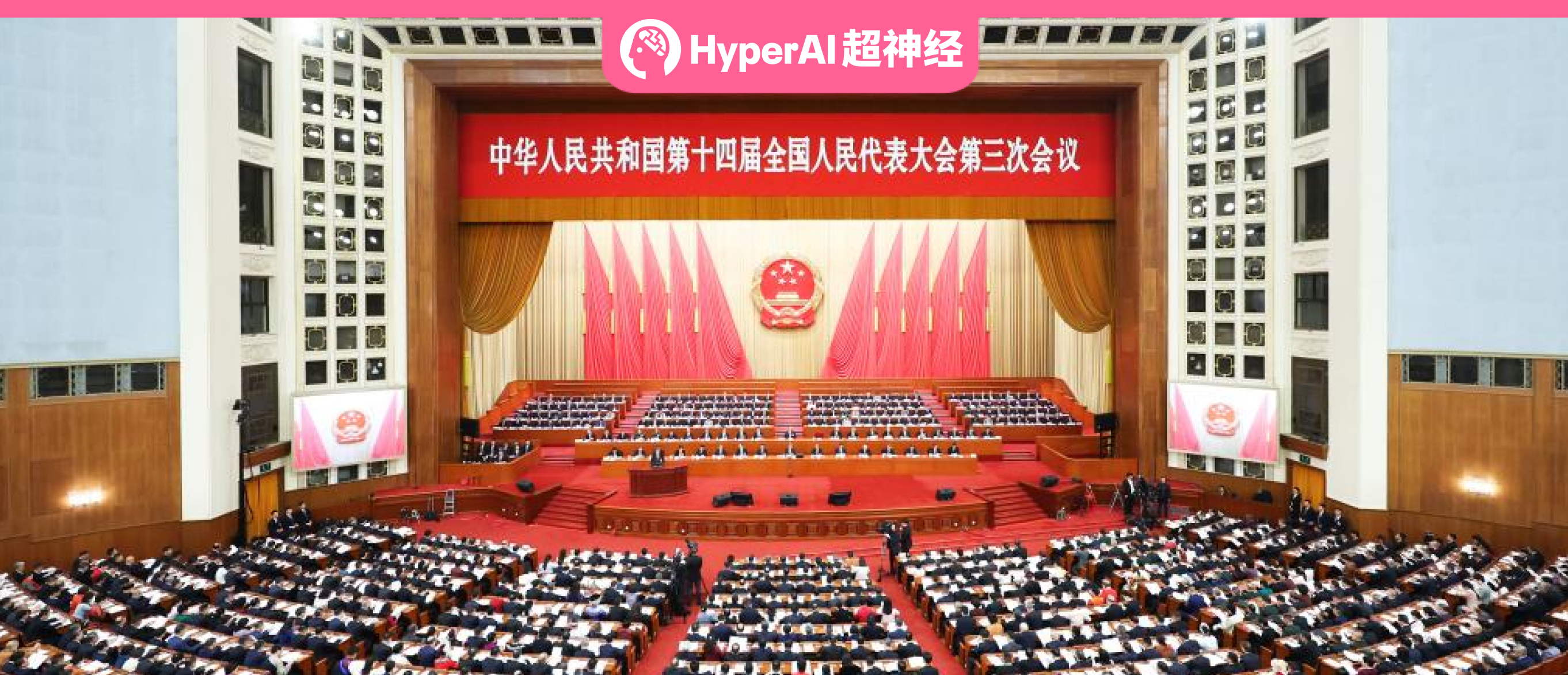
The third session of the 14th National People's Congress was held to summarize the achievements of scientific and technological development in 2024 and provide prospects for future work.
NVIDIA has collaborated with teams from multiple research institutes and universities to develop Proteina, a large-scale flow protein backbone generator that can generate diverse and designable proteins.