Command Palette
Search for a command to run...
AI Empowers Efficient Biomanufacturing, Exploring New Paradigms in Intelligent Production Through Research on Β-phenylethanol and Glutathione
Biomanufacturing is a core driving force behind the development of the bioeconomy. By harnessing the metabolic activities of living cells to produce a wide range of products, it plays a crucial role in ensuring sustainable social development. The rise of synthetic biology has provided powerful tools for constructing efficient strains. Bioreactor engineering, a core component of biomanufacturing, combined with intelligent technologies is crucial for its industrialization. In recent years, advances in AI, big data, and advanced sensing technologies have enabled new breakthroughs in the efficient optimization and precise control of biomanufacturing processes.
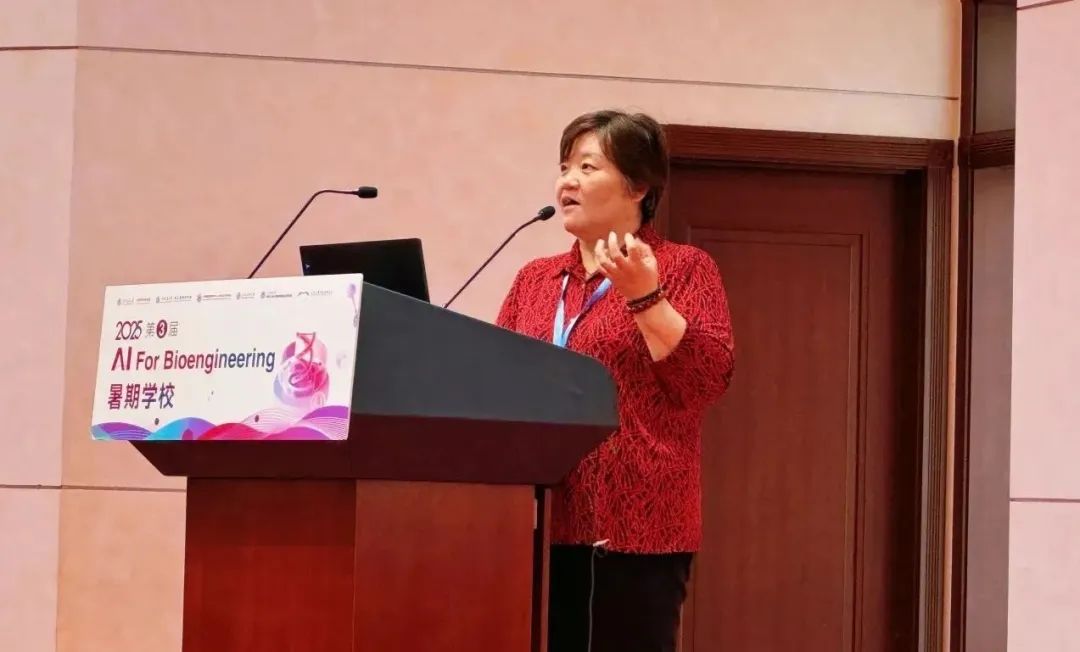
Recently, at the 3rd AI for Bioengineering Summer School in 2025,**Professor Zhuang Yingping from the National Key Laboratory of Bioreactor Engineering at East China University of Science and Technology shared her experience on "AI Assists Efficient Biomanufacturing Processes".**From the relationship between biomanufacturing and synthetic biology, the application exploration of synthetic biology products, to the construction and practice of intelligent biomanufacturing technology systems, the team's research results in this field were systematically introduced.
Biomanufacturing and synthetic biology complement each other
The essence of biomanufacturing technology is the process in which various living cell lines use raw materials (such as carbon sources, nitrogen sources, starch, glucose, etc.) in reactors to produce various biological products through cellular metabolism.**Synthetic biology achieves design goals, changes production methods and develops new products through the DBTL (Design-Build-Test-Learn) cycle.**Technological breakthroughs such as gene editing and host modification have provided efficient chassis cells for biomanufacturing - but converting the potential of laboratory strains into industrial production capacity requires the support of bioreactor engineering.
With the popularity of synthetic biology technology in recent years, research on bioreactor engineering has become an important focus in the industry. The global biomanufacturing industry is expected to reach US$125 billion in 2025, with a compound annual growth rate of 10.81%; the annual output value of China's bio-industry is growing at a rate of nearly 20.1%. Against this background,How to make the same strain produce more products in a reactor? This is the core issue of biomanufacturing.
Exploration of synthetic biology products in the cosmetics field
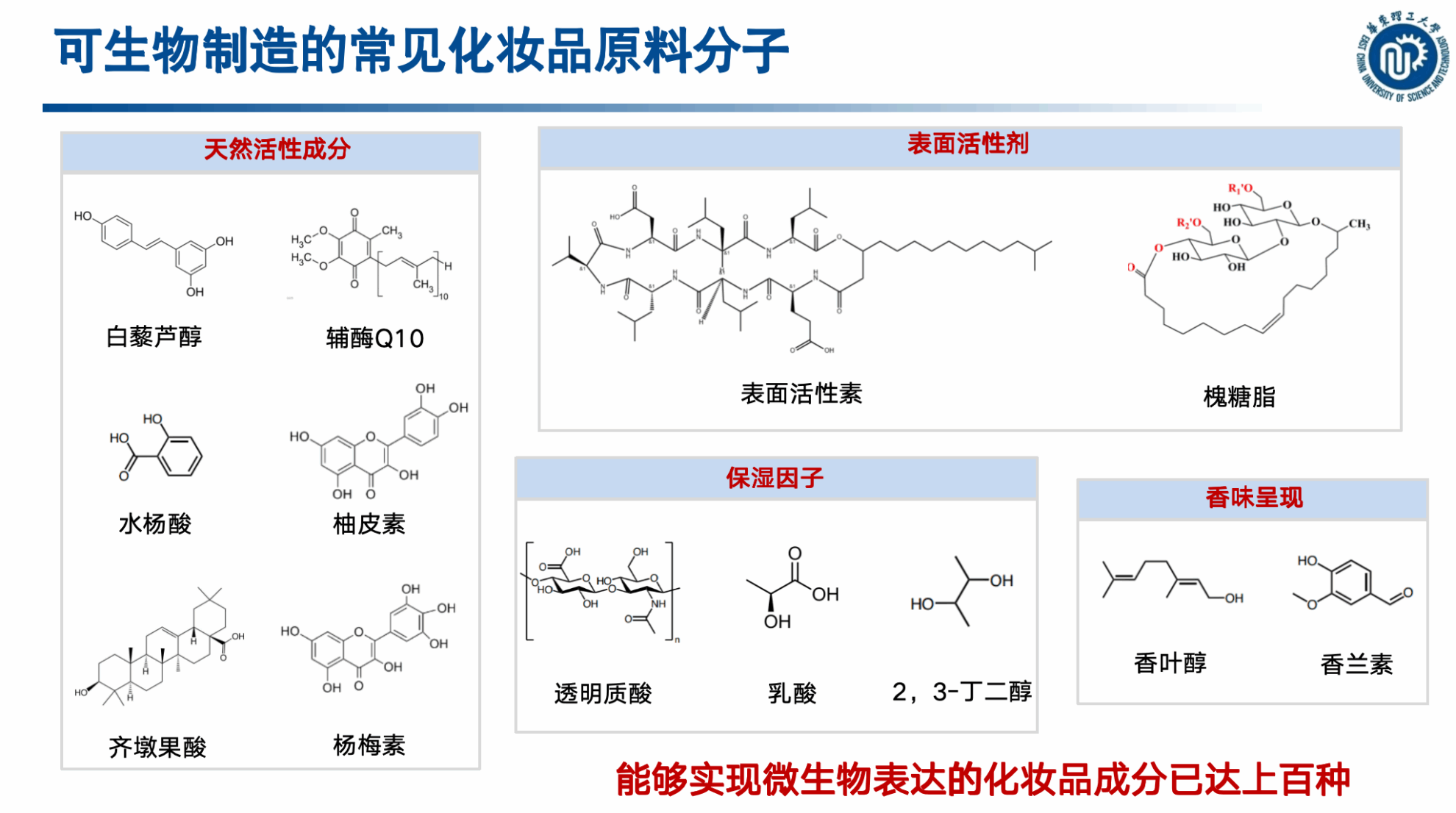
The application of synthetic biology and biomanufacturing in the cosmetics field is relatively mature and has a wide range of applications. This is because cosmetics require small amounts, and even if the cost is high, there is still a market. For example, after large-scale cultivation of Tianshan Snow Lotus, only a small amount can cause the price of related products to rise significantly. In addition, many cosmetic products are derived from natural active ingredients, such as resveratrol, naringenin, coenzyme Q10, etc.Although there are currently hundreds of cosmetics that can be expressed by microorganisms, only a handful of them are truly fully biomanufactured.
Plant active ingredients have been a hot research area in recent years. Plant cells can produce a variety of products, and their large-scale cultivation has a specific process: first, the callus tissue is sorted, and then it is cultured on a shaker until the cell count increases. Because plant cells have a slightly lower oxygen requirement than microorganisms, airlift culture is used to achieve a certain cell mass.
Synthetic biology technology is used in many cosmetics, among which hyaluronic acid and collagen are the best and largest industries in my country using synthetic biology technology. Such high-value-added products are more suitable for synthetic biology manufacturing.
Bioreactors and Intelligent Biomanufacturing
The key to improving intelligent biomanufacturing technology and thus increasing efficiency lies in establishing the concept that "cells and external reactors are two reactors."**Consider cells as a bioreactor system and large-scale culture as another bioreactor system.**Cells themselves are complex metabolic systems, and the metabolic pathways we need for synthetic products are specific. The core of process engineering is to guide cells to metabolize along designed metabolic pathways, rather than relying solely on constructed strains for direct production. This requires focusing on how to make cell metabolism focus on the target synthetic pathway.
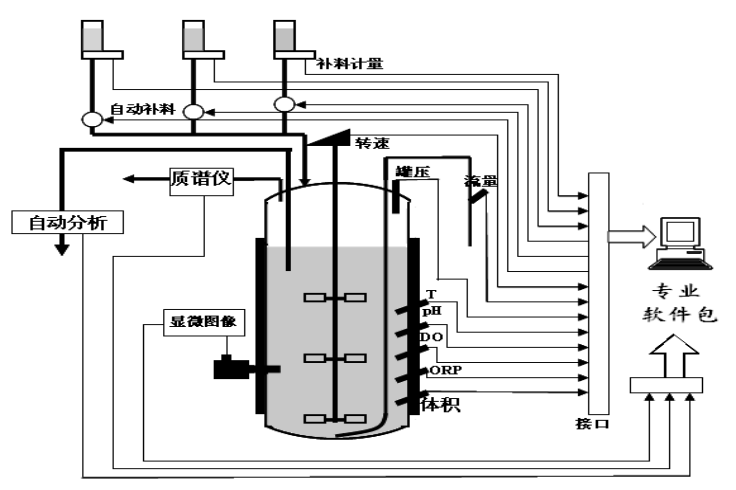
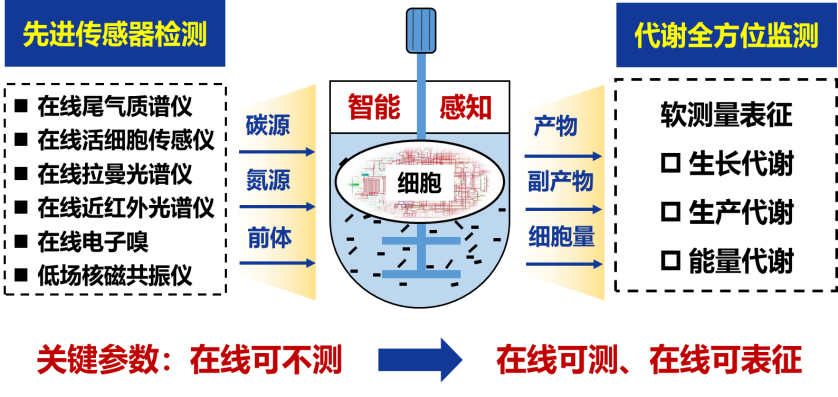
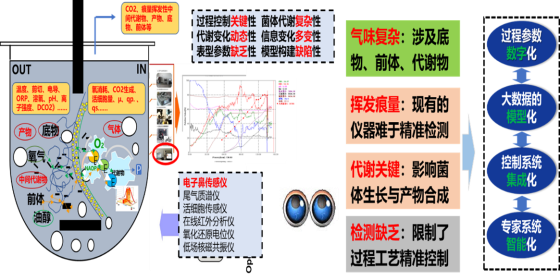
To advance process engineering research, we have specially developed a bioreactor for multi-parameter detection, which is also a feature of the National Key Laboratory of Bioreactor Engineering.**In addition to routine detection of bacterial flora and temperature, the technology system also monitors the volume of fermentation liquid, and more importantly, uses a proton meter to detect the tail gas of the fermentation liquid.**By correlating cellular metabolism with oxygen consumption and carbon dioxide production, we found differences in the exhaust data for different metabolic pathways.
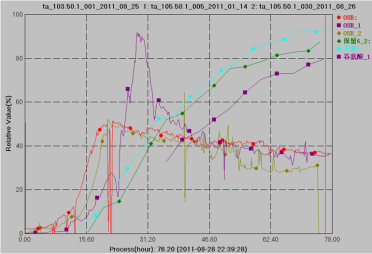
Reactor design is also crucial, as it must meet the nutrient needs of cell metabolism. During fermentation, carbon, nitrogen, and phosphorus are essential nutrients for cell expansion and require a balanced supply. Carbon not only supports cell growth, bacterial maintenance, and product synthesis, but also provides energy. Nitrogen and phosphorus are primarily required for bacterial growth. Nutrients guarantee bacterial growth, and a substrate feed strategy can ensure that all bacteria maintain high activity and efficiently synthesize metabolites. Both primary metabolism (such as amino acids and organic acids) and secondary metabolism (such as antibiotics and products of genetically engineered bacteria) are key areas of research in controlling the relationship between bacterial abundance and yield. As shown in the experimental figure below, the group with a high oxygen consumption rate actually had a low yield, demonstrating that it is more important to feed substrate on demand than to pursue high concentrations.
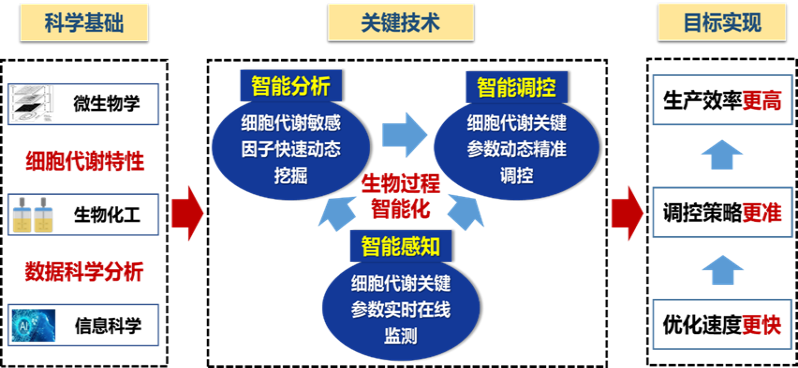
Intelligent biomanufacturing technology system: full-chain innovation of perception-analysis-regulation
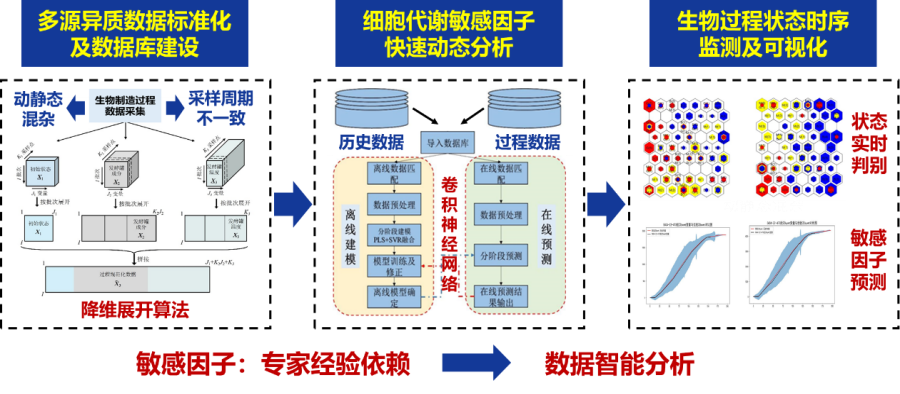
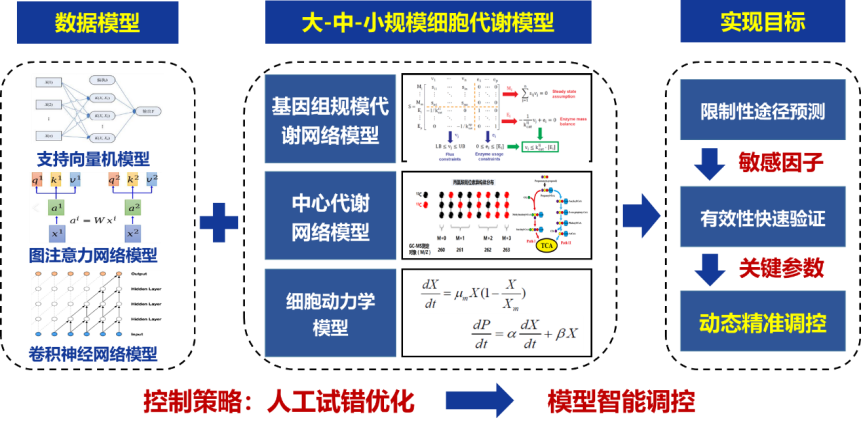
Entering the intelligent era, the overall idea of intelligent biomanufacturing revolves around the complex metabolic processes of cells.The core lies in realizing an intelligent full-chain innovation system of intelligent perception, intelligent analysis and intelligent regulation.
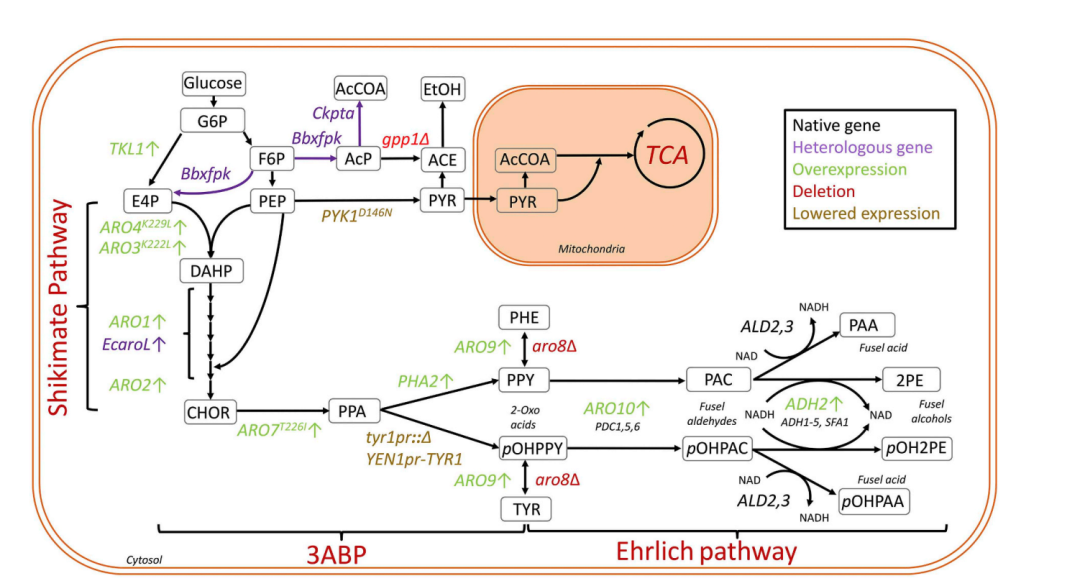
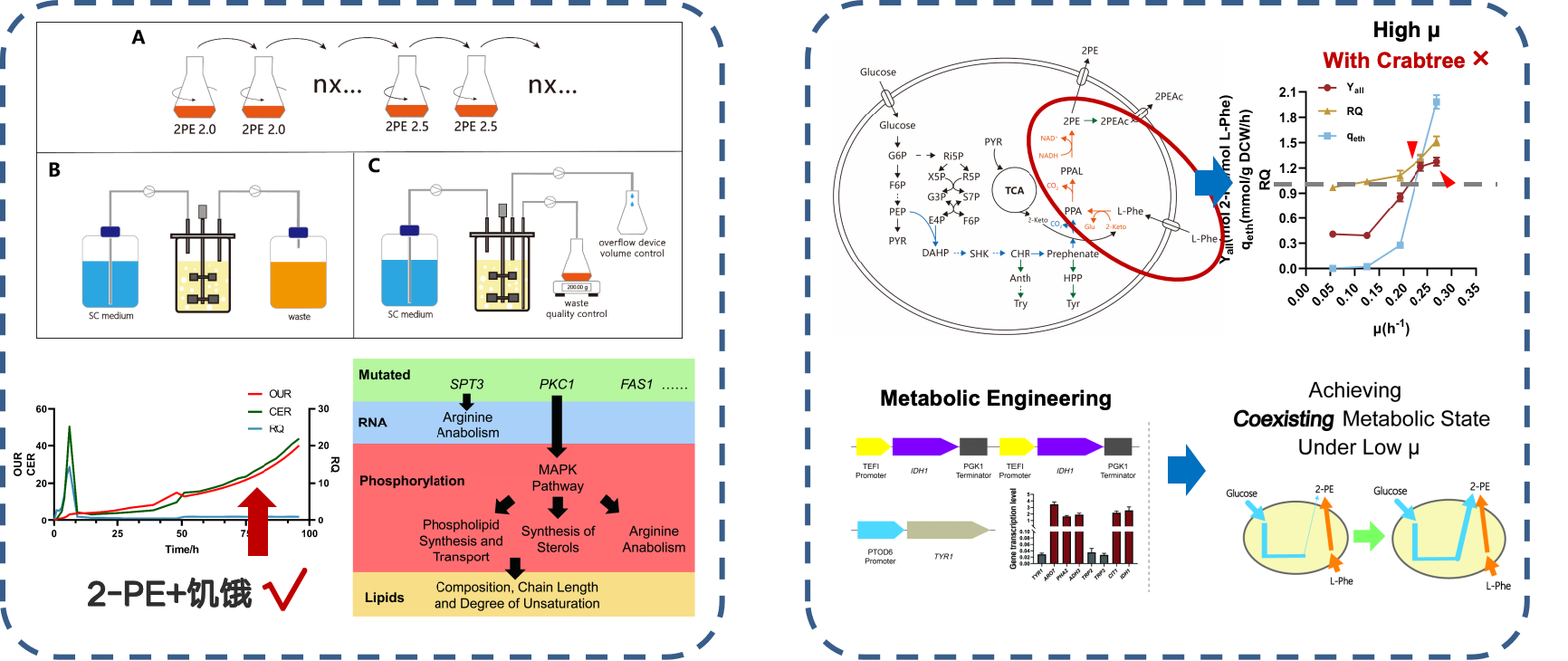
**The first one is β-phenylethanol,**As the second most popular flavor after vanillin, it has a wide range of applications. In terms of cost, chemically synthesized β-phenylethanol costs about 38˙perkilogram,whilenaturalβ\-phenylethanolcostsasmuchas1,000 per kilogram. The current price of biosynthesis is about $200 per kilogram, so chemically synthesized products still occupy a large market share. In order to promote the replacement of chemical methods with biological methods, the research team has carried out a number of tasks, including the use of adaptive evolution to screen excellent strains, combined with metabolic engineering transformation, to find the key points of process regulation. Due to the toxicity of the product, the research also directly extracted the product in the fermentation tank, which was a relatively complicated process. Ultimately, dynamic optimization was achieved based on AI, which brought the yield to 20 grams per liter. Although the manufacturing cost has been reduced compared to the previous biological method, there is still a gap with the chemical method.
Case application: Intelligent optimization practice on an industrial scale
In industrial-scale biomanufacturing, we also have many typical application cases of intelligent optimization and regulation.
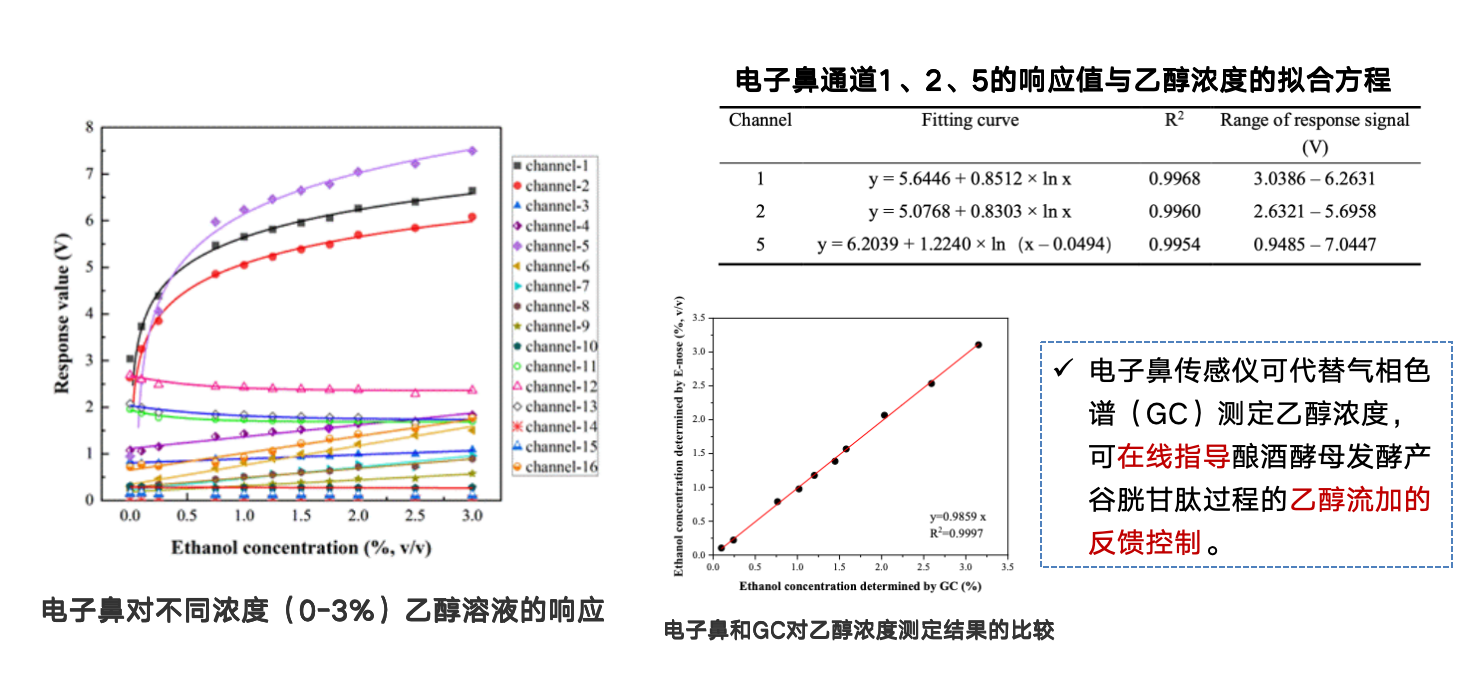
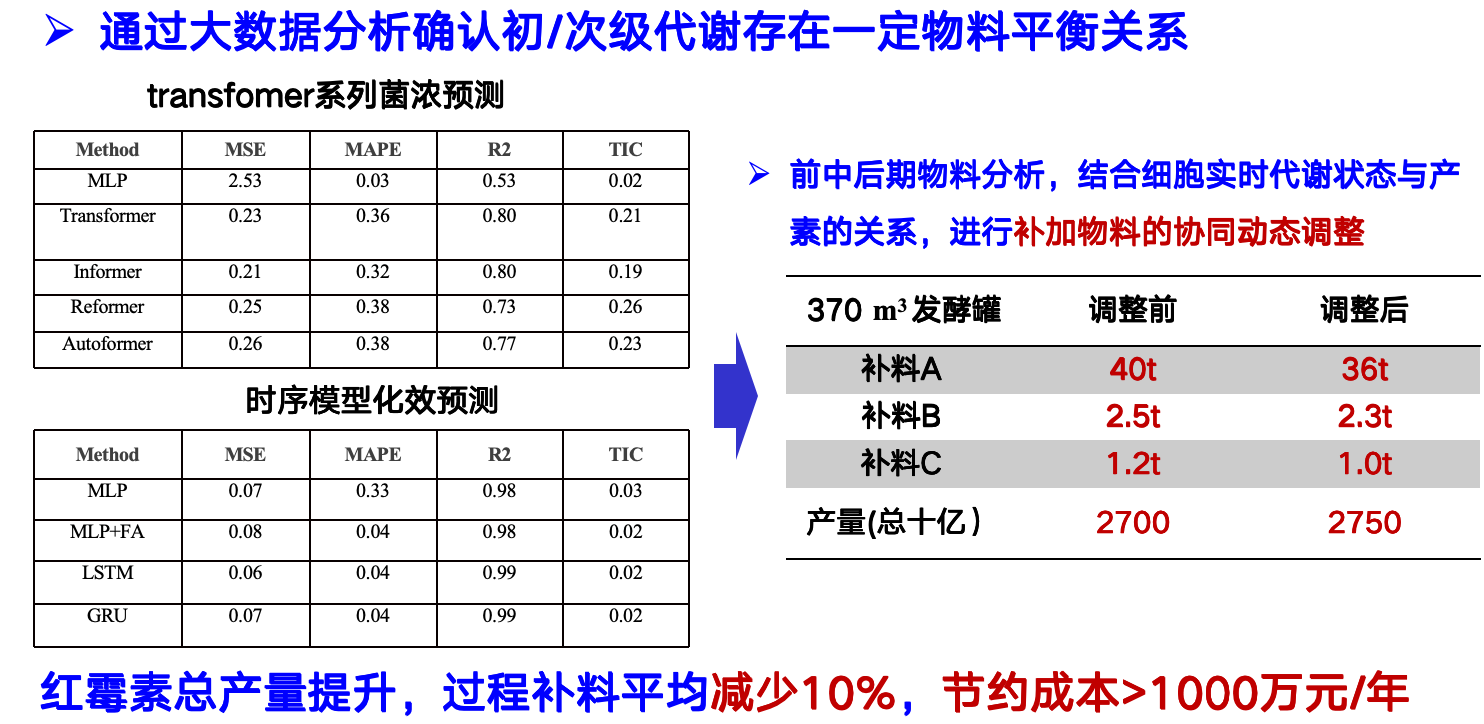
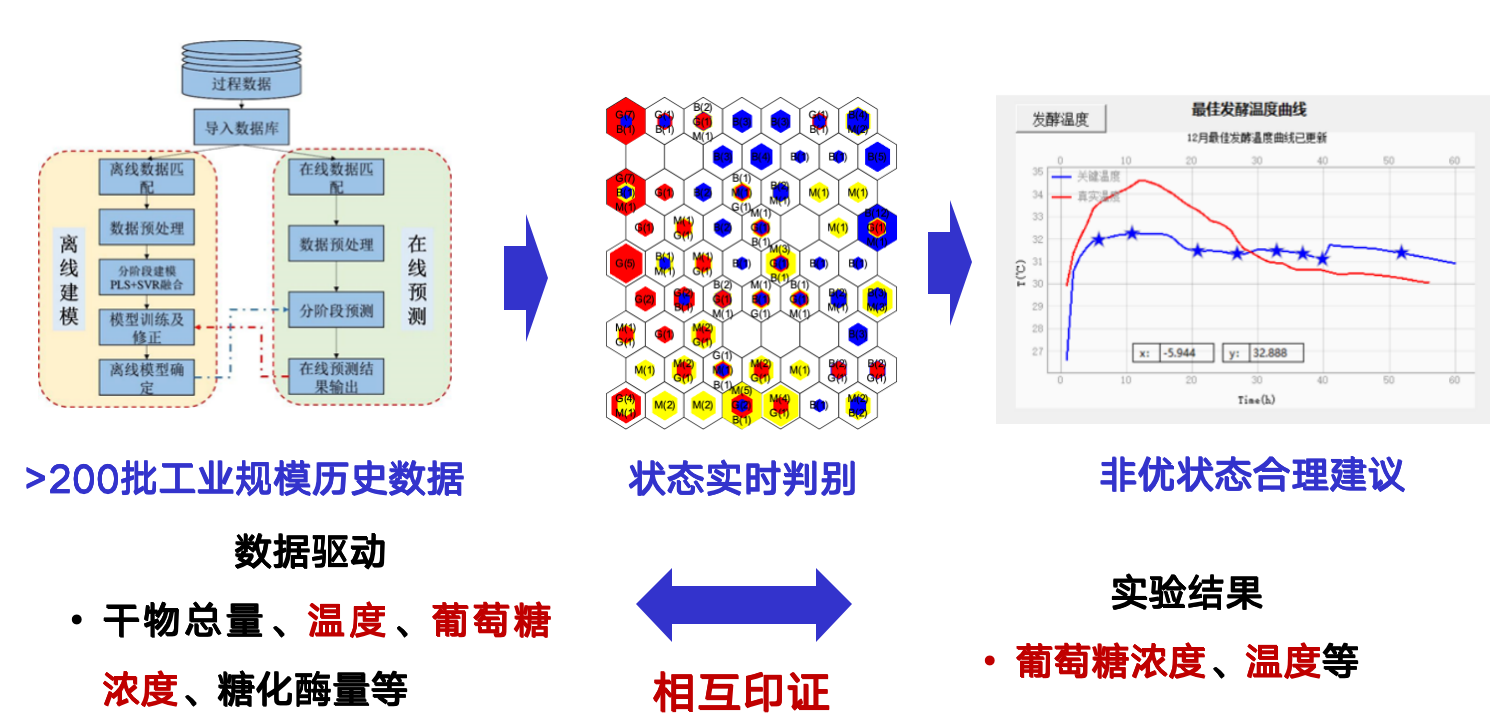
The first is the production of erythromycin. Erythromycin is a macrolide antibiotic, and its derivatives such as clarithromycin and azithromycin are widely used.**During the fermentation process, we use a variety of sensors to conduct all-round, real-time, online, and multi-dimensional detection of macroscopic physiological metabolic characteristics and features with extremely high efficiency.**The measurement time for sugar, alcohol, and oil concentrations has been reduced from 12 hours using traditional methods to just 2 minutes. By modeling over 100 batches of full-parameter data from a 370-ton erythromycin fermenter, we ultimately found that the erythromycin fermentation unit is most strongly correlated with bacterial concentration, viscosity, and chemical potency during the fermentation process. Based on this highly correlated model of bacterial concentration and chemical potency, sugar, nitrogen, and oil feeds for the 370-ton fermenter are now computer-determined based on this model. This allows for more precise feed amounts, resulting in increases in fermentation units and overall yield. The reduction in feed alone saves 10 million yuan annually and increases the company's annual profit by at least 60 million yuan.
About Professor Zhuang Yingping
The guest speaker of this sharing session is Professor Zhuang Yingping, who is currently the Dean of Qingdao Innovation Institute of East China University of Science and Technology, Director of National Biochemical Engineering Technology Research Center (Shanghai), "863" industrial biotechnology expert in biology and medicine, Vice Chairman of Biochemical Engineering Professional Committee of Chemical Industry and Engineering Society of China, and Vice President of Shanghai Society of Microbiology.

Get high-quality papers and in-depth interpretation articles in the field of AI4S from 2023 to 2024 with one click⬇️