Command Palette
Search for a command to run...
Google Enters Dermatology, Outperforming Nurse Practitioners and on Par With Specialists
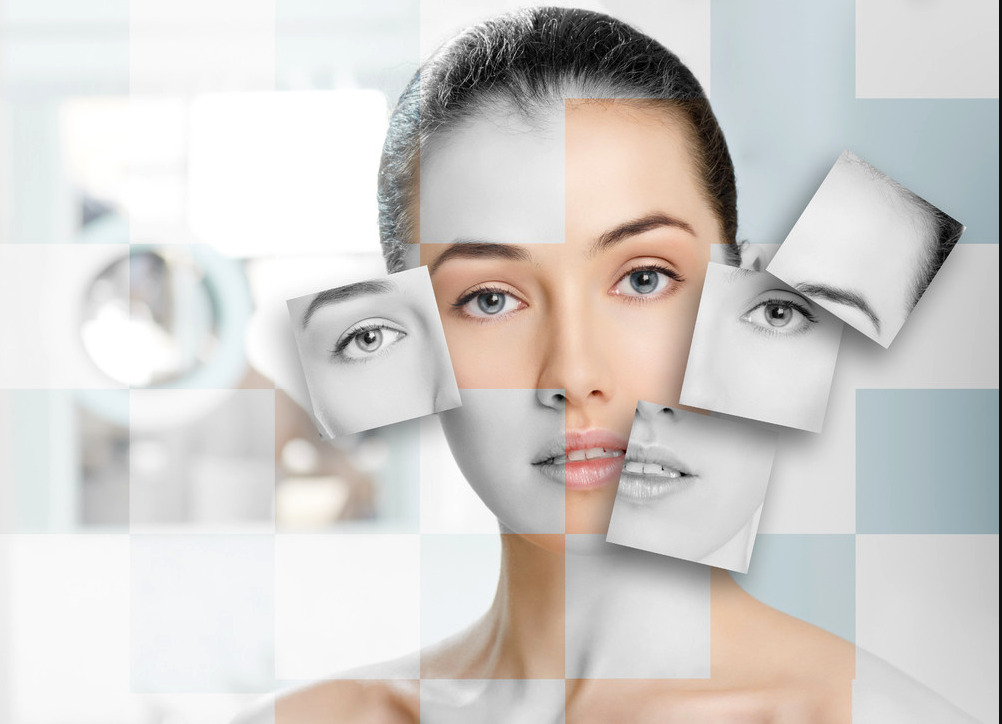
Skin diseases are among the most common diseases, but the shortage of professional doctors and the uneven distribution of medical resources mean that patients often seek help from general practitioners, which can easily lead to misdiagnosis and missed diagnosis. The deep learning system developed by Google researchers can detect common skin diseases with an accuracy rate comparable to that of professional dermatologists and far exceeding that of some primary care doctors and nurses.
Skin problems are one of the most common ailments worldwide, second only to colds, fatigue and headaches.
In fact, it is estimated that there are1.9 billion peopleIn the United States alone, 1 in 20 people visit clinics for skin disease.As many as 37% people have at least one skin problemHowever, more than half of these patients were seen by non-dermatologists.

In view of this,Google researchers develop AI system that can detect the most common skin diseases in primary care.
In his published papers***"A deep learning system for differential diagnosis of skin diseases"In a paper titled “A Deep Learning System for Differential Diagnosis of Skin Diseases,” and in their blog, the researchers said that when presented with images and metadata about patient cases, the system couldAccurately diagnose 26 skin conditions*, and claims that this is on par with board-certified dermatologists in the United States.
AI becomes a new dermatologist, with an accuracy rate higher than that of professional doctors
Yuan Liu, a software engineer at Google, and Dr. Peggy Bui, technical program manager at Google Health, said: “We developedDeep Learning System"We are excited to announce the launch of a new DLS to address the most common skin conditions seen in primary care. This study highlights the potential of DLS to enhance the diagnostic capabilities of general practitioners who do not have additional specialist training."

The system processes the following**One or more clinical images of skin abnormalities, and up to 45 types of metadata (e.g., self-reported components of medical history:****such as age, gender and symptoms)**For each case, multiple images were processed using the Inception-v4 neural network architecture and combined with the feature-transformed metadata for the classification layer.
The research team said the model used data from two states17 primary care clinics 17,777 unidentified cases, and evaluated the model. They divided the corpus into two parts and used the part between 2010 and 2017 to train the AI system, and the part between 2017 and 2018 for evaluation. During the training process, the model took advantage ofMore than 50,000 differential diagnoses from more than 40 dermatologists.
To test the system's diagnostic accuracy, the researchers compiled diagnoses from three U.S.-certified dermatologists and compared them to a rigorous reference standard.
The ground truth labels were obtained by aggregating 3,750 cases. The AI system's ranking of skin problems was compared with the differential diagnosis results obtained by the dermatologist.The first and first three diagnostic predictions achieved an accuracy of 71% and 93% respectively..
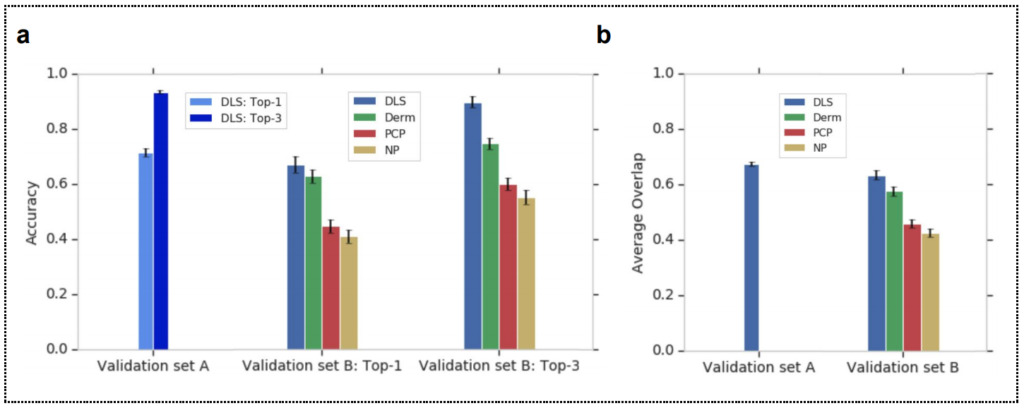
The results showed that the system's first three predictions indicated thatThe diagnostic accuracy rate was 90%, or comparable to that of dermatologists (75%) and "much higher" than that of primary care physicians (60%) and nurse practitioners (55%)..


The researchers attribute the system's overall accuracy to the amount of data in the training corpus.MetadataThe findings suggest their approach could “help prompt clinicians to consider possible factors” that were not on the basis of their initial differential diagnosis.
However, they also noted that their training corpus was taken from only one teledermatology service, that some Fitzpatrick skin types were too rare in their dataset for meaningful training or analysis, and that their dataset was unable to accurately detect certain skin conditions, such as melanoma, due to a lack of available data samples.
"We believe that these limitations could be addressed by including more biopsy-proven skin cancer cases in training and validation," Liu and Bui wrote.
With the help of technology, having healthy skin is no longer a dream
In my country, the total number of dermatologists is less than 30,000. In addition to the shortage of professional doctors, dermatology also faces problems such as misdiagnosis, missed diagnosis, and insufficient knowledge of rare diseases, which will undoubtedly cause losses to patients.
In fact, dermatology is a discipline that relies on morphological characteristics.Most diagnoses are based on visual recognition of patternsFor dermatology, AI image recognition is very suitable for auxiliary diagnosis.
However, in the past few decades, the application of artificial intelligence in dermatology has been very limited. Until recent years, with the development and application of artificial intelligence technology, domestic dermatology has gradually made a lot of progress in AI application.

Therefore, we have reason to expect that with the assistance of AI technology, all the problems faced by dermatology will be solved.
-- over--